

Cabinet approves ₹10,000 crore to stabilise ATF prices for Indian Airlines
Government expects the fixed-price arrangement to reduce uncertainty in fuel expenses, one of the largest cost components for airlines.
- Country:
- India
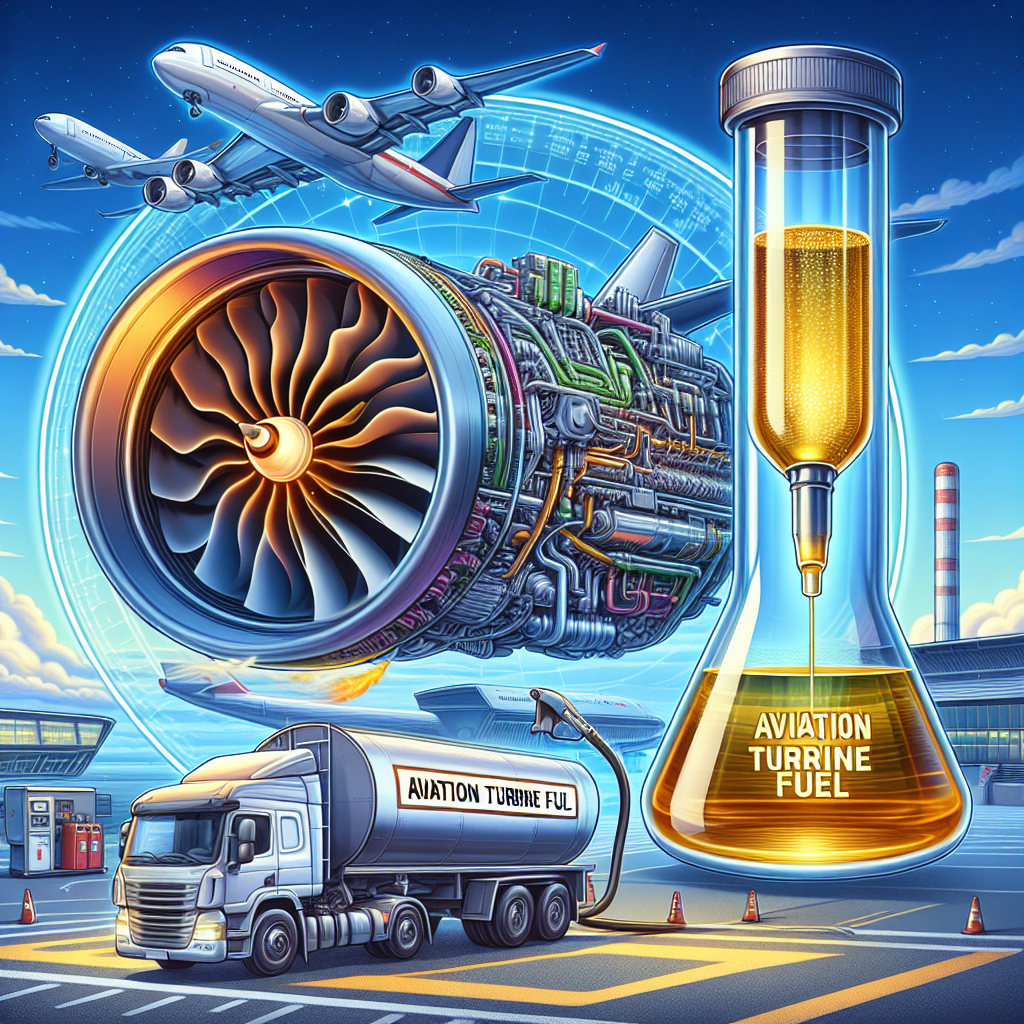
The Union Cabinet, chaired by Prime Minister Narendra Modi, has approved a one-time budgetary support package of up to ₹10,000 crore to help stabilise Aviation Turbine Fuel (ATF) prices for Indian airlines amid ongoing volatility in global energy markets caused by the West Asia crisis.
The support will be provided to Oil Marketing Companies (OMCs) in the form of interest-free advances through the Ministry of Petroleum and Natural Gas. The measure is aimed at protecting airlines from sudden fuel price spikes while ensuring uninterrupted air connectivity across the country and international destinations. The government believes the intervention will provide financial certainty to airlines, support passenger travel and help maintain stability in the aviation sector during a period of heightened global uncertainty.
Mechanism Designed to Stabilise Fuel Costs
Under the approved framework, OMCs will receive interest-free advances of up to ₹10,000 crore to compensate for losses incurred when international ATF prices exceed a benchmark level determined under the scheme. The arrangement introduces a fixed-price mechanism for aviation fuel, reducing airlines' exposure to abrupt increases in fuel costs and allowing carriers to plan operations with greater confidence.
When international fuel prices decline, the excess support provided to OMCs will be recovered and returned to the Consolidated Fund of India. This recovery and settlement process will continue until the entire support amount has been fully reconciled. The government has described the mechanism as a temporary stabilisation measure rather than a permanent subsidy.
Airlines to Receive Support for Domestic and International Operations
The scheme will be available to all willing Scheduled Indian Airlines operating both domestic and international services. To participate, airlines will be required to enter into a Memorandum of Understanding (MoU) with Oil Marketing Companies. The Ministry of Civil Aviation and the Ministry of Petroleum and Natural Gas will be signatories to the arrangement. Under the agreement, participating airlines will source ATF exclusively from OMCs for a period of up to three years, subject to annual review or until the support amount is fully recovered, whichever occurs earlier. Government expects the fixed-price arrangement to reduce uncertainty in fuel expenses, one of the largest cost components for airlines.
Support Expected to Benefit Economy and Passengers
The ATF stabilisation mechanism will remain in force for 36 months, with provisions for annual reviews and possible extension if the support corpus has not been fully settled within the prescribed period. Implementation will be overseen by a monitoring committee comprising representatives from the Ministry of Civil Aviation, Ministry of Petroleum and Natural Gas and the Department of Expenditure. All claims, recoveries and settlements will be subject to audit. Officials believe the measure will help prevent fuel price shocks from being passed directly to passengers through higher airfares. It is also expected to safeguard air connectivity to remote, regional, Tier-II and Tier-III cities, including destinations served under the UDAN scheme.
The government noted that stable airline operations support employment across a wide range of sectors, including aviation, airports, maintenance services, logistics, tourism, hospitality and travel services. By helping preserve domestic and international connectivity, the initiative is expected to strengthen economic activity, facilitate trade and tourism, support regional development and improve India's integration with global markets.
ALSO READ
-
KISS Students Unite for PM Modi's Birthday: Celebrating a Visionary's Impact
-
Maharashtra Lights Up for PM Modi's Birthday: A National Celebration
-
Governors Forge Strong Ties in Mutual State Visit
-
PM Modi Acknowledges President Murmu's Birthday Wishes, Emphasizes Nation-Building Goals
-
Debate Intensifies Over UPI Transactions: Politics vs Policy


 Google News