

NZ Moves Closer to First Superhot Geothermal Well
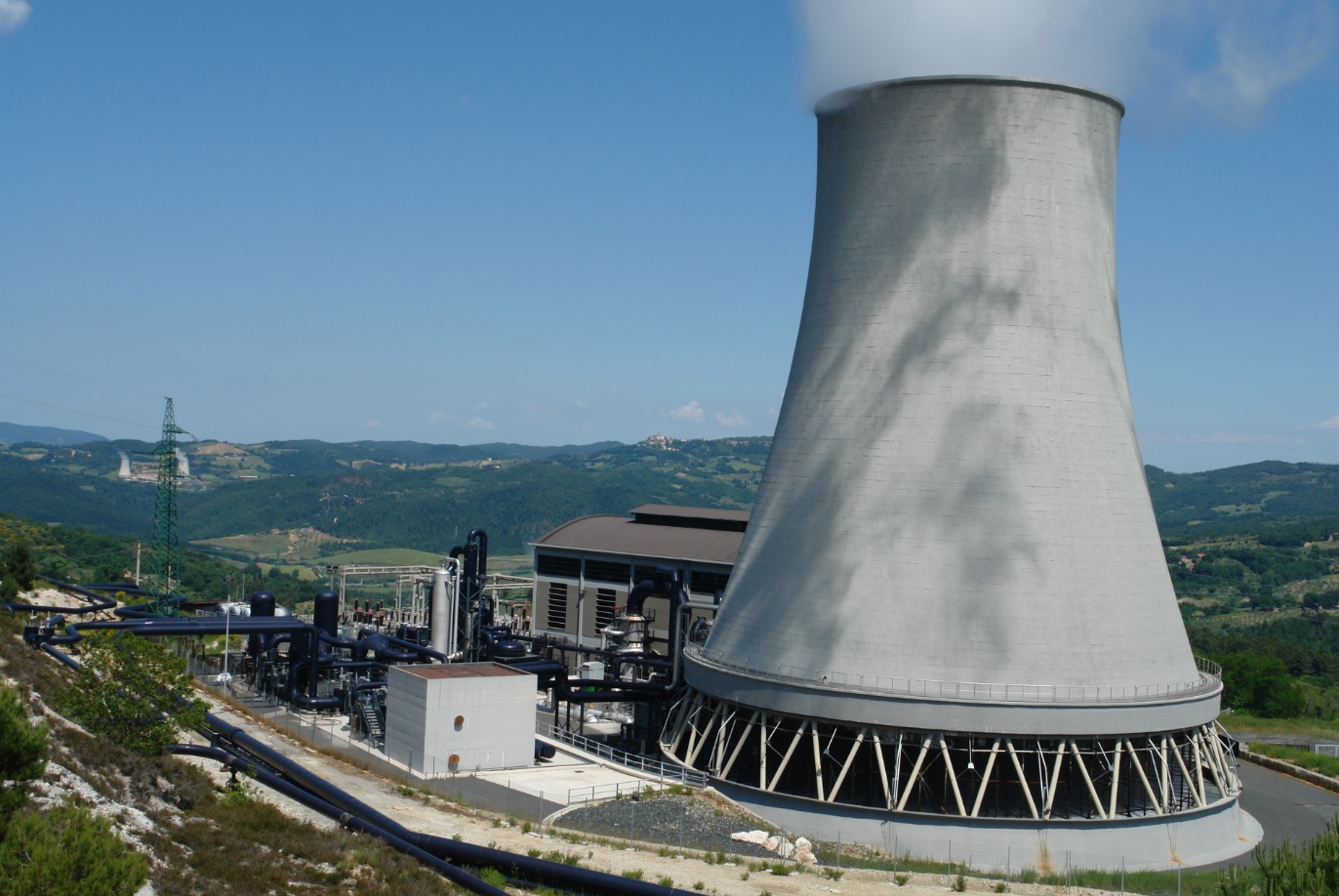
The GeoShot NZ project will target superhot geothermal fluids located approximately four to five kilometres beneath the surface.
- Country:
- New Zealand
New Zealand has taken another significant step toward drilling its first superhot geothermal well, with the Government approving the release of the remaining funding needed to move the ambitious GeoShot NZ project into its next phase.
Regional Development and Resources Minister Shane Jones announced that Cabinet has approved the release of the remaining $55 million from the $60 million previously set aside through the Regional Infrastructure Fund (RIF). The funding will support pre-drilling activities and the construction of a deep exploratory well at the Rotokawa Geothermal Field near Taupō. The project is being led by the Ministry of Business, Innovation and Employment (MBIE) in partnership with Mercury NZ and Tauhara North No. 2 Trust. New Zealand energy company Todd Energy has been selected as the preferred drilling contractor.
Jones said the project has reached an important milestone, with a suitable drilling location identified, experienced industry partners engaged, and technical planning work completed. The latest funding will help secure specialist equipment, contractors and the extensive preparation required before drilling can begin safely.
Drilling deeper than ever before
The GeoShot NZ project will target superhot geothermal fluids located approximately four to five kilometres beneath the surface. Scientists believe these superhot resources contain around three times more energy than traditional geothermal systems. Accessing that energy, however, presents major engineering challenges due to the extreme temperatures and pressures found at such depths.
The first stage of the project focused on detailed well design and the evaluation of specialist materials capable of operating in these harsh underground conditions. That work was funded through an initial $5 million allocation from the Regional Infrastructure Fund and has now been completed. The next phase will focus on drilling and testing the exploratory well, providing critical information about whether superhot geothermal energy can be developed commercially in New Zealand.
Building future energy security
Government officials see the project as more than a scientific experiment. If successful, it could open the door to a new generation of geothermal energy production and strengthen New Zealand's long-term energy security. Jones said the project will help build national expertise in advanced geothermal technology while creating opportunities for regional development and economic growth.
New Zealand is also collaborating with international partners that are pursuing similar goals. Iceland, another global leader in geothermal energy, is currently drilling its own superhot wells, creating opportunities for both countries to share technical knowledge and lessons learned.
The Minister said these partnerships are valuable because researchers and engineers are working at the limits of current technology. He described the project as an important investment in New Zealand's future energy needs, arguing that government leadership is necessary when exploring technologies that involve high levels of risk but also the potential for substantial long-term rewards.
If the drilling programme proves successful, the GeoShot NZ project could lay the foundation for a new source of large-scale renewable energy, offering greater energy resilience and helping secure affordable power supplies for future generations.


 Google News