

DGTR Highlights Role in Protecting Fair Trade for Indian Industry
The System for Ensuring Fair Trade through Unified Digital Platform (SETU), launched in October 2025, has introduced end-to-end digital processing of trade remedy cases.
- Country:
- India
The Directorate General of Trade Remedies (DGTR) has reaffirmed its role in safeguarding Indian industries from unfair trade practices while maintaining a fair and transparent trading environment. During a media briefing held in New Delhi, officials explained how trade remedy measures help domestic manufacturers compete on equal terms when faced with dumped imports, subsidised products, or sudden import surges.
Additional Secretary and Director General Trade Remedies Amitabh Kumar said these measures are not intended to restrict imports. Their purpose is to restore fair competition when imported goods enter the market at unfairly low prices or receive subsidies that distort normal trade conditions.
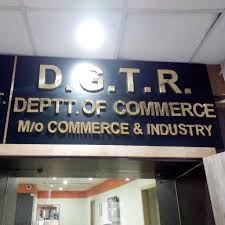
Operating under the Ministry of Commerce and Industry, DGTR serves as India's integrated trade remedy authority and conducts anti-dumping, anti-subsidy, and safeguard investigations in line with domestic laws and World Trade Organization rules.
Transparent investigations ensure stakeholder participation
Officials highlighted DGTR's evidence-based investigation process, which includes examining applications, gathering information from stakeholders, conducting verifications, holding oral hearings, and issuing final findings after reviewing all available evidence. The process allows participation from domestic producers, exporters, importers, user industries, foreign governments, and other interested parties. According to DGTR, this approach helps ensure that decisions are based on facts and consider the interests of all affected groups.
Kumar also stressed that the organisation carefully evaluates the impact of proposed duties on downstream industries and consumers. Through economic interest assessments and stakeholder consultations, DGTR seeks to balance the need to protect domestic manufacturers with broader economic considerations. The authority follows the Lesser Duty Rule, meaning duties are recommended only at the level required to remove injury suffered by domestic industry rather than imposing higher tariffs than necessary.
Digital reforms strengthen trade defence framework
A major focus of the briefing was DGTR's growing emphasis on digital transformation and trade defence support. The System for Ensuring Fair Trade through Unified Digital Platform (SETU), launched in October 2025, has introduced end-to-end digital processing of trade remedy cases.
The platform enables online filing, digital communication, structured submissions, and secure document management through a single-window interface accessible to domestic producers, exporters, importers, and foreign governments.
Officials also highlighted the work of the Trade Defence Wing, which was established in 2016 to support Indian exporters facing trade remedy investigations in overseas markets. The wing coordinates efforts among ministries, state governments, Indian missions abroad, export promotion councils, commodity boards, exporters, and legal experts to defend India's trade interests internationally.
Additional initiatives include the Economic Interest Questionnaire, the Helpdesk and Facilitation Centre, the Trade Remedies Advisory Cell (TRAC), industry outreach programs, and simplified application formats designed to make trade remedy mechanisms more accessible for fragmented industries and MSMEs.


 Google News