

Government moves to repeal 150 outdated laws in major legal clean-up
Bishop described the accumulation of such laws as a “legal lasagne”, built up layer by layer across generations of legislation, some still technically enforceable despite having no practical relevance today.
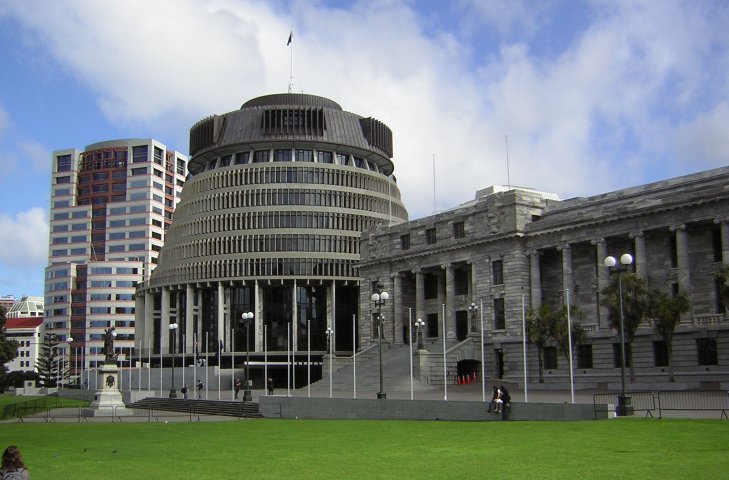
- Country:
- New Zealand
More than 150 outdated and rarely used laws are set to be repealed as part of a wide-ranging effort to tidy up New Zealand's statute book, Attorney-General Chris Bishop says, with the Government describing the move as a practical step to reduce legal clutter built up over more than a century.
A total of 152 Acts have already been identified for repeal as part of a staged legislative review led by the Parliamentary Counsel Office, with support from the Department of Internal Affairs for local legislation. The work focuses on removing laws that remain technically active but no longer reflect modern practice or public need.
Layers of old laws built up over 150 years
Officials say the statute book contains layers of legislation stretching back over 150 years, with roughly half of all Acts still in force dating from the 1840s through to the 1960s. Many of these laws remain on the books despite no longer being used in day-to-day governance, creating confusion and occasional legal uncertainty. Bishop described the accumulation of such laws as a "legal lasagne", built up layer by layer across generations of legislation, some still technically enforceable despite having no practical relevance today.
Obsolete statutes show unusual snapshots of history
Some of the laws flagged for repeal include unusual and outdated regulatory frameworks that no longer match how communities operate today. One example is the Wellington Milk-Supply Act 1919, which once regulated milk vendors in the capital and even made provisions around the sale of skim milk within city boundaries.
Another is the Dunedin City Fish-markets and Empowering Act 1918, which allowed the local council to engage in fish trading and even buy and sell livestock, reflecting a time when councils took on roles far removed from their modern responsibilities.
Bishop said the presence of these laws shows how governance has changed over time, noting that some still technically exist despite being long forgotten in practice. He also pointed to a 2021 situation where a request under the 1919 milk law nearly led to court action before being resolved outside the legal system.
Historic legislation remains preserved
Despite the repeal programme, the Government says the removal of outdated Acts will not erase the historical record. All legislation remains accessible through the New Zealand Legislation website, ensuring past laws continue to be available for research and public reference.
Several Acts being reviewed also reflect significant moments in New Zealand history. The Kaitangata Relief Fund Transfer Act 1892 followed a mining disaster in 1879 that killed 34 miners, with public donations later formalised into support for affected families through legislation.
Other laws capture the legacy of long-standing institutions, including the Caledonian Society of Otago Incorporation Ordinance 1874 and legislation formalising cooperation between the Order of St John and the New Zealand Red Cross Society in 1938.
Purpose is clarity, not erasing the past
The Government says the goal of the programme is to make the legal system easier to navigate and less cluttered, while keeping historical records intact for future generations. Officials say the repeal exercise is focused on removing confusion created by laws that no longer serve a practical function.


 Google News