

Include ‘Green Manifesto’ in Delhi Assembly Polls: RWAs to Political Parties
Releasing manifestoes before the voters have become a tradition for political parties before the polls but the residents in Delhi have made a 360-degree turn for the upcoming Delhi Assembly Elections 2020. The voters of Delhi through their Resident Welfare Associations (RWAs) have released a ‘green manifesto’ for the political parties and are campaigning for its inclusion in their political manifestos.
- Country:
- India
In the 'green manifesto' the residents have demanded the political parties to reduce the air pollution by 65 percent by the year 2025, clean energy for all by 2050 and public transport that caters to at least 80 per cent of Delhi's population. Prepared by experts on subjects like air pollution, transport and mobility, urban design, water supply and rejuvenation of water bodies etc. on the theme of 'Smart and Sustainable Delhi', the manifesto also demands a roadmap for effective implementation of the promises. The 'green manifesto' has been prepared by a federation of Delhi RWAs – United Residents' Joint Action (URJA), which has about 800 RWAs associated with it.
The RWA body also sought a roadmap to decongest the city roads, zero water loss and 100 per cent groundwater recharge by 2025, the statement said. "A lot of these targets and vision are already part of our current policy programmes, but the challenge lies in real-time implementation of these targets," Atul Goyal, president of URJA, said. "URJA expects the political parties and candidates running in the 2020 Delhi elections to align their manifestos with the 10 demands and match their actions to it," the statement said.
Meanwhile, the Election Commission of India (ECI) on Thursday had a highly level meeting to finalize the schedule for Delhi assembly elections as the current assembly will complete its term on February 22.
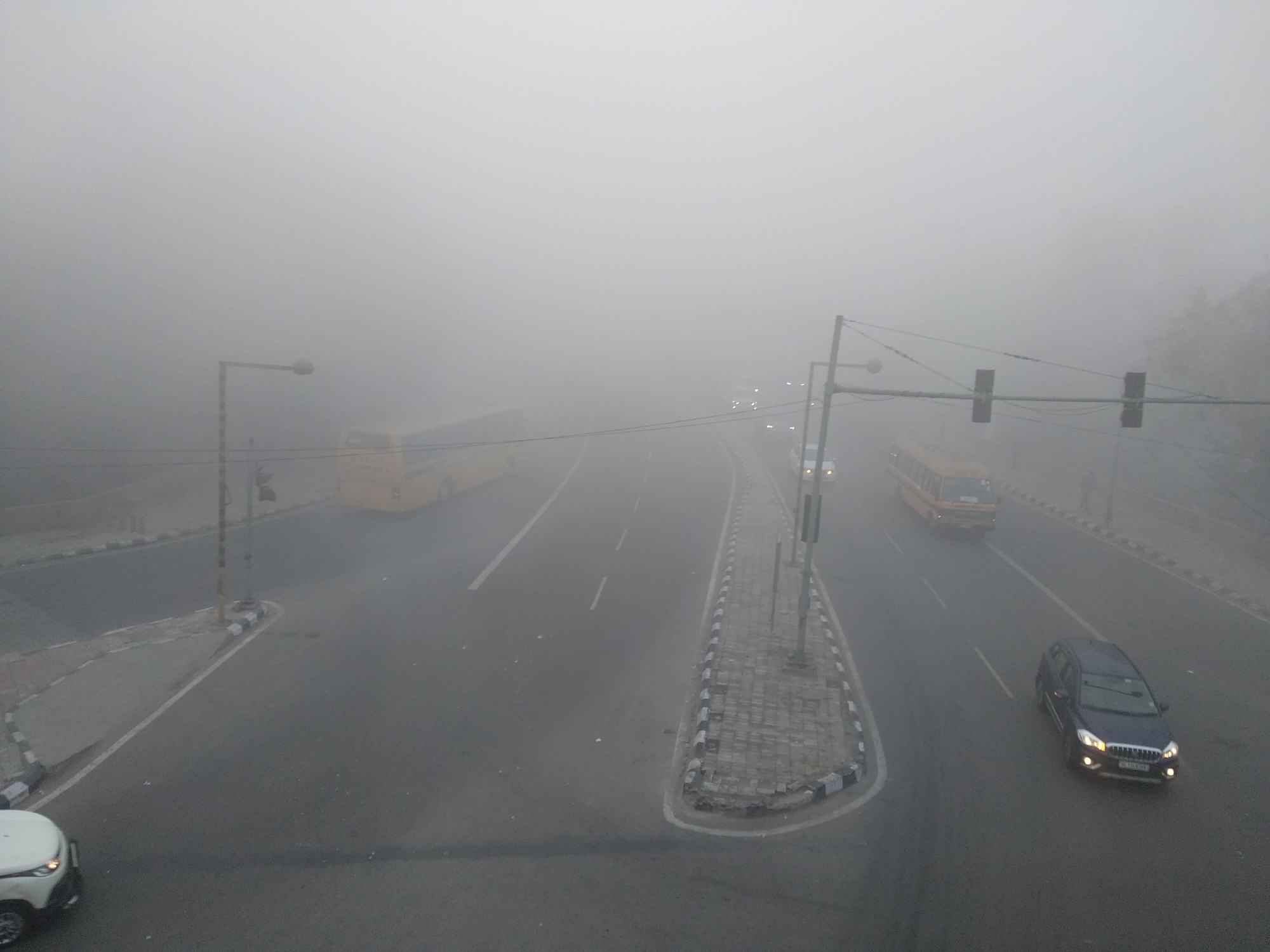
The rising air pollution in Delhi and its satellite cities have been a major concern in the recent years which is facing smog. In October-November, Delhi's Air Quality Index (AQI) had reached to dangerous level and the government had to declare an emergency. The studies reveal that the Delhi's AQI was normal for only two days since 2017. The major cause of air pollution in Delhi before the winter season is often blamed on stubble burning by the farmers of Punjab, Haryana and Uttar Pradesh but Delhi's own pollution load is sufficient to raise AQI level up to 400 points in the post-stubble burning days. This was revealed as AQI went up beyond 400 points in December 2019.


 Google News