

UNHCR Warns of Major Setbacks, Urges Renewed Global Commitment at Refugee Forum
Over the last two GRFs, governments, organizations, and private-sector partners made nearly 3,500 pledges, including $2.6 billion in new financial commitments.
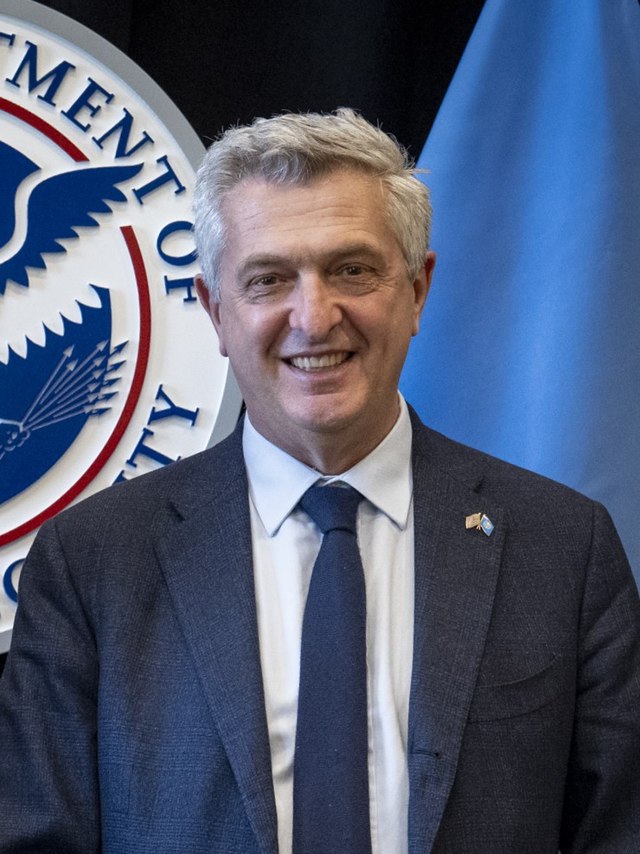
The Global Refugee Forum (GRF) Progress Review 2025 opened in Geneva with a stark message from UN High Commissioner for Refugees Filippo Grandi: after a decade of significant progress, the past year has brought a "perfect storm" of worsening conditions for refugees and the international systems designed to protect them.
Grandi emphasized that despite political headwinds, funding cuts, and escalating conflicts, it remains essential to push forward, not retreat, in upholding global commitments to refugees and host communities. His remarks come just weeks before the end of his 10-year tenure, which concludes on 31 December.
A Year of Crises Threatening Decades of Progress
In his opening statement, Grandi warned that:
-
Conflicts continue to multiply, displacing millions.
-
Hostility towards refugees and the principle of asylum is rising globally.
-
Severe, irresponsible cuts to foreign aid have sharply weakened protection systems.
Yet, he stressed the importance of acknowledging the substantial progress made since the first Global Refugee Forum:
"We have come a long way … now is the time to build on it."
Global Commitments Delivering Real Results
Over the last two GRFs, governments, organizations, and private-sector partners made nearly 3,500 pledges, including $2.6 billion in new financial commitments. Development actors are now investing an estimated $4 billion annually in displacement-affected settings—something Grandi noted "didn't exist 10 years ago."
These investments have helped:
-
Expand refugee access to education and employment
-
Strengthen protection systems
-
Improve climate adaptation initiatives
-
Enhance service delivery for refugees and host communities
Host Countries Need Far Greater Support
A core theme of the Review was the urgent need for increased backing for refugee host nations—most of which are low- and middle-income countries.
Countries such as Chad, Iran, Egypt, Costa Rica, and Uganda continue to host large numbers of refugees despite facing their own economic pressures.
"Hosting refugees has a cost that cannot be borne alone," Grandi said, warning that without sustained financial support, vital protection gains risk crumbling.
UN Secretary-General Echoes Call for Solidarity
In a video message, UN Secretary-General António Guterres urged states to reinforce assistance for host communities and defend the right to seek asylum, calling it a "fundamental pillar of international law."
"Let us continue working together to invest in refugees and host communities," he said.
Progress and Risks Highlighted by Co-Hosts
Speaking on behalf of co-conveners Colombia, France, Japan, Switzerland, Uganda, and UNHCR, Ugandan Permanent Secretary Aggrey David Kibenge noted improvements in:
-
Refugee inclusion in national health and data systems
-
Higher education enrolment
-
Digital connectivity for refugees
However, he cautioned that declining global development funding is endangering efforts to:
-
Strengthen refugee self-reliance
-
Support voluntary returns
-
Advance responsibility sharing between states
A Call for Political Will and Policy Renewal
Swiss Federal Councillor Ignazio Cassis urged states to use the Review to evaluate progress since 2023 and craft a realistic roadmap to the 2027 Global Refugee Forum.
"We must go from pledges to results," Cassis noted, stressing that strong political will is essential amid shrinking resources.
Refugees Demand a Seat at the Table
One of the most compelling interventions came from Nour Jarrouj, a Syrian refugee and UNHCR Advisory Board member, who delivered the global refugee statement.
Her message was clear:
-
Refugees must be recognized as partners, leaders, and experts, not passive recipients.
-
Deterrence-based policies are spreading, harming refugees and undermining asylum frameworks.
-
What is urgently needed is substantive action, not symbolic gestures.
"The system must choose justice now," Jarrouj said. "Retreat or responsibility, symbolism or substance—this is the choice before us."
Towards a Stronger, More Accountable Global System
The GRF Progress Review aims to ensure accountability for existing pledges, identify where progress has stalled, and mobilize renewed commitments. The UN Secretary-General will report back in 2030 ahead of the next high-level meeting on global protection outcomes.
Despite current challenges, speakers across the opening day reaffirmed that international solidarity, sustained investment, and refugee participation are essential to safeguarding the future of global refugee protection.
ALSO READ
-
Refugee Protection Nears Breaking Point: UN Funding Cuts Put 8.3 Million Lives at Risk
-
Sudanese Families Flee to Chad as Violence Surges and Refugee Support Falls Behind
-
Refugees and Host Communities in Ethiopia at Heart of New ILO and UNHCR Work Pact
-
Yemen Violence Displaces 130,000 as Shelters Fill and Aid Funding Runs Short
-
Climate Change Is Deepening the Crisis for Millions Living Without a Nationality Today


 Google News