

WHO–UNICEF Webinar Calls for Community-Led Social Protection in Crises
Many countries are now facing prolonged or simultaneous crises, ranging from disease outbreaks to climate-related disasters and economic shocks.
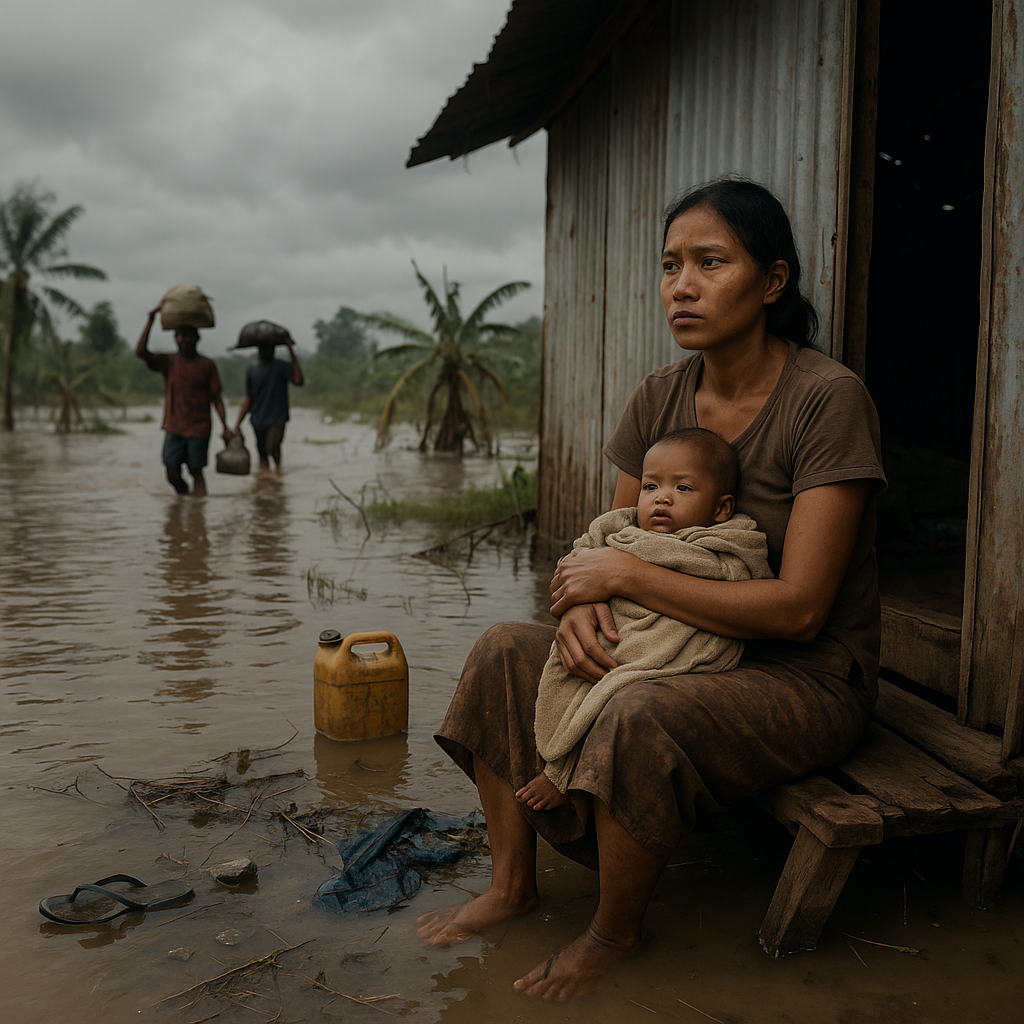
Communities must be placed at the centre of preparedness and response to health emergencies, particularly as countries face overlapping crises that disproportionately affect vulnerable populations, experts emphasized during a global WHO–UNICEF webinar.
The virtual event, titled "Ready & Resilient: Community Social Protection for Preparedness and Response," brought together more than 750 participants from 170 countries on 29 January 2026, including policymakers, humanitarian partners, civil society organisations and community leaders.
Participants highlighted the growing need for stronger global cooperation and practical tools to strengthen community-based social protection systems that can respond quickly and equitably during emergencies.
Communities as Agents of Protection
Under the WHO Health Emergency Preparedness, Response and Resilience (HEPR) Community Protection Framework, communities are recognized not only as recipients of aid but also as key actors in building resilience and managing risks.
The framework promotes a Community Protection and Resilience (CPR) approach, which encourages governments and partners to work closely with communities to ensure that emergency responses strengthen local capacities rather than undermine them.
A central pillar of the framework—Objective 3—focuses on strengthening equitable and community-centred protection mechanisms through multisectoral coordination.
Experts stressed that emergency response strategies must prioritize the needs of children, women and marginalized groups, who often bear the greatest social and economic impacts of crises.
Multiple Crises Increase Vulnerabilities
Many countries are now facing prolonged or simultaneous crises, ranging from disease outbreaks to climate-related disasters and economic shocks.
These overlapping emergencies can disrupt livelihoods, strain health systems and deepen existing inequalities.
Participants stressed that community social protection mechanisms—such as financial assistance, livelihood support and access to essential services—are crucial to mitigating these impacts and enabling faster and fairer emergency responses.
Need for Multisectoral Coordination
A key theme emerging from the webinar was the importance of institutionalizing multisectoral coordination during preparedness, rather than activating coordination only during crises.
Effective community social protection requires collaboration across multiple sectors, including:
-
Health
-
Social protection and livelihoods
-
Education
-
Local governance
-
Community leadership structures
Participants emphasized that strengthening links between health services, social protection systems and local governance institutions is essential to ensure continuity of services during emergencies.
Targeted Support for Vulnerable Groups
Experts also highlighted the need for tailored interventions for groups at higher risk during crises.
These include:
-
Children and adolescents
-
People with disabilities
-
Individuals living with noncommunicable diseases (NCDs)
-
Workers exposed to occupational health risks
-
Populations excluded from formal social protection systems
Ensuring equitable access to healthcare and social services for these groups can reduce financial barriers, prevent harmful coping strategies and strengthen overall community resilience.
Role of Cash and Voucher Assistance
Participants noted that Cash and Voucher Assistance (CVA) can be a powerful tool for community protection when integrated into preparedness planning.
By providing financial support during emergencies, CVA helps households maintain access to healthcare and essential services while stabilizing livelihoods.
Embedding such mechanisms within national preparedness frameworks allows for rapid scaling during crises.
Learning From Field Experience
Discussions during the webinar highlighted both successful initiatives and persistent gaps in community protection systems.
Field experiences revealed that vulnerabilities—particularly among children—often remain invisible or insufficiently addressed in national policies.
Experts stressed the need for clearer identification of vulnerable groups and better targeting of assistance to populations often excluded from formal systems.
Planning coordination mechanisms before emergencies occur was also identified as critical to ensuring effective response once crises unfold.
Strengthening Community Leadership
Participants underscored the importance of building on existing community networks and informal structures to improve preparedness and response.
Empowering local leaders and community organisations can strengthen trust, enhance coordination and increase the effectiveness of emergency interventions.
Joint planning across sectors during preparedness phases also allows social protection packages to be tailored to community needs, ensuring faster deployment when emergencies arise.
Toward Resilient Health Systems
The discussions align with ongoing efforts under the WHO Community Protection and Resilience agenda, which aims to strengthen national preparedness systems.
Current initiatives include developing operational guidance for WHO country offices and partners on multisectoral coordination, tools for maintaining essential community services during crises and practical frameworks for implementing the Community Protection Framework.
WHO and partners are also establishing communities of practice to facilitate knowledge sharing among global, regional and local stakeholders.
Experts emphasized that expanding community social protection systems is not only a matter of equity but also a strategic investment in resilient health systems capable of responding to future emergencies.
ALSO READ
-
Kazakhstan Connects Over 200 Health Workers With Global Clinical Research Experts
-
Higher Tobacco Taxes Cut Smoking and Show How Health Levies Can Change Daily Lives
-
Better Heat Planning Can Protect Crowds and Ease Pressure on Hospitals, WHO Says
-
Lebanon’s Children Face Hunger, Lost Schooling and Work as Families Reach the Brink
-
UNICEF Praises Jordan’s Progress for Children as Funding Cuts Threaten Vital Services


 Google News