

UN Women’s Rights Committee Finds Cambodia Violated Rights of Child Rape Survivor
After C.Y.’s father discovered the abuse and reported it to authorities, the legal process became mired in delays and alleged interference by officials.
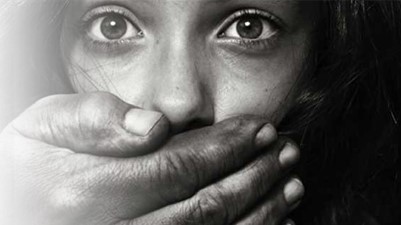
The United Nations Committee on the Elimination of Discrimination against Women (CEDAW) has ruled that Cambodia violated the rights of a child rape survivor, citing more than a decade of delays, discrimination and the failure of authorities to enforce a Supreme Court judgment against the perpetrator.
The Committee released its findings after reviewing a case brought by C.Y. and her father, who sought justice after the girl was repeatedly raped in 2010 when she was 11 years old.
The perpetrator, a 48-year-old police officer from the Preah Sihanouk Province Police Commissariat, allegedly abused the child multiple times. According to the case record, he sometimes gave her 500 riels (about US$0.12) or fruit after the assaults and warned her not to inform her parents.
Case Marked by Delays and Institutional Interference
After C.Y.'s father discovered the abuse and reported it to authorities, the legal process became mired in delays and alleged interference by officials.
Evidence submitted to the Committee indicated that military police and individuals linked to the perpetrator pressured the family to withdraw their complaint and accept financial compensation. Allegations of judicial bribery were raised but were never investigated, according to the case record.
More than four and a half years after the complaint was filed, the Preah Sihanouk Provincial Court issued a controversial ruling in 2015.
Instead of upholding the rape charges, the court downgraded the offence to "purchase of child prostitution" and "sexual intercourse with a minor", arguing that the perpetrator had paid the child.
As a result, the court imposed only the minimum five-year prison sentence.
Appeals Restore Rape Conviction
The decision was challenged in higher courts.
In January 2016, Cambodia's Appeal Court reinstated the rape charge, ruling that the money or fruit given to the child constituted persuasion and concealment rather than payment for a transaction.
Nine months later, the Supreme Court upheld the rape conviction but overturned the arrest and detention order issued by the Appeal Court.
This ruling allowed the perpetrator to remain free, despite the confirmed conviction.
Nearly a decade later, he is still reportedly at large.
Survivor Left Without Remedy
For years following the crime, C.Y. lived in a shelter without adequate remedies or protection, significantly restricting her freedom, education and social life.
With no effective justice delivered through Cambodia's courts, C.Y. and her father brought their case to the CEDAW Committee in 2022 through the international individual complaints mechanism.
UN Committee Finds Multiple Rights Violations
In its ruling, the Committee concluded that Cambodia violated Articles 1, 2, 3, 5(a), and 15(1) of the Convention on the Elimination of All Forms of Discrimination against Women.
These violations relate to failures to:
-
Protect the victim from gender-based discrimination
-
Address harmful gender stereotypes
-
Guarantee equal protection before the law
-
Ensure effective remedies for survivors of sexual violence
CEDAW Committee member Rangita de Silva de Alwis said the case illustrates how justice systems can fail survivors at multiple stages.
"C.Y.'s case is an egregious example of how a child survivor can be failed at every stage of the justice process," she said.
The Committee cited police interference, discriminatory assumptions, prolonged delays, inappropriate sentencing and failure to enforce the final judgment as key failings.
Intersectional Discrimination Recognised
The Committee also found that C.Y. experienced compounded discrimination, including discrimination based on:
-
Gender
-
Age
-
Perceived intellectual disability
-
Power imbalance between the victim and the perpetrator
"This is a systemic gender and disability stereotype," de Silva de Alwis said.
"More than a decade after the crime, the perpetrator remained free and the survivor without remedy."
The Committee emphasised that delays, discrimination and failure to enforce court decisions are themselves forms of injustice.
UN Calls for Enforcement and Legal Reform
CEDAW ordered Cambodia to take immediate steps to address the violations.
The Committee recommended that authorities:
-
Enforce the Supreme Court judgment and arrest the perpetrator
-
Provide full reparations to the survivor
-
Introduce protection measures for the victim
-
Prohibit non-judicial settlements in cases of sexual violence
-
Reform legislation to strengthen definitions of rape and consent
The Committee also expressed concern that Cambodia did not cooperate in the review process, failing to submit observations during the proceedings.
Experts say the ruling provides authoritative guidance for legal reform and highlights the urgent need for stronger accountability mechanisms to protect survivors of sexual violence.
ALSO READ
-
UNESCO Brings Data to New UN Platform Connecting People With Trusted Information
-
UN Expert Urges Malaysia to Halt Myanmar Returns as Refugees Face War and Violence
-
Longer Lives, Unequal Care: UN Report Exposes Gaps in Support for Older People Globally
-
Century After Slavery Convention, Millions Still Wait for Freedom and Justice
-
Netherlands Pledges Over €309 Million to Strengthen Justice and Prevent Conflict


 Google News