

Rising Death Toll Among Women and Girls in Lebanon Sparks Urgent Calls for Civilian Protection
Rescue operations are ongoing, with additional bodies still being recovered from rubble and identified in hospitals following intensified airstrikes.
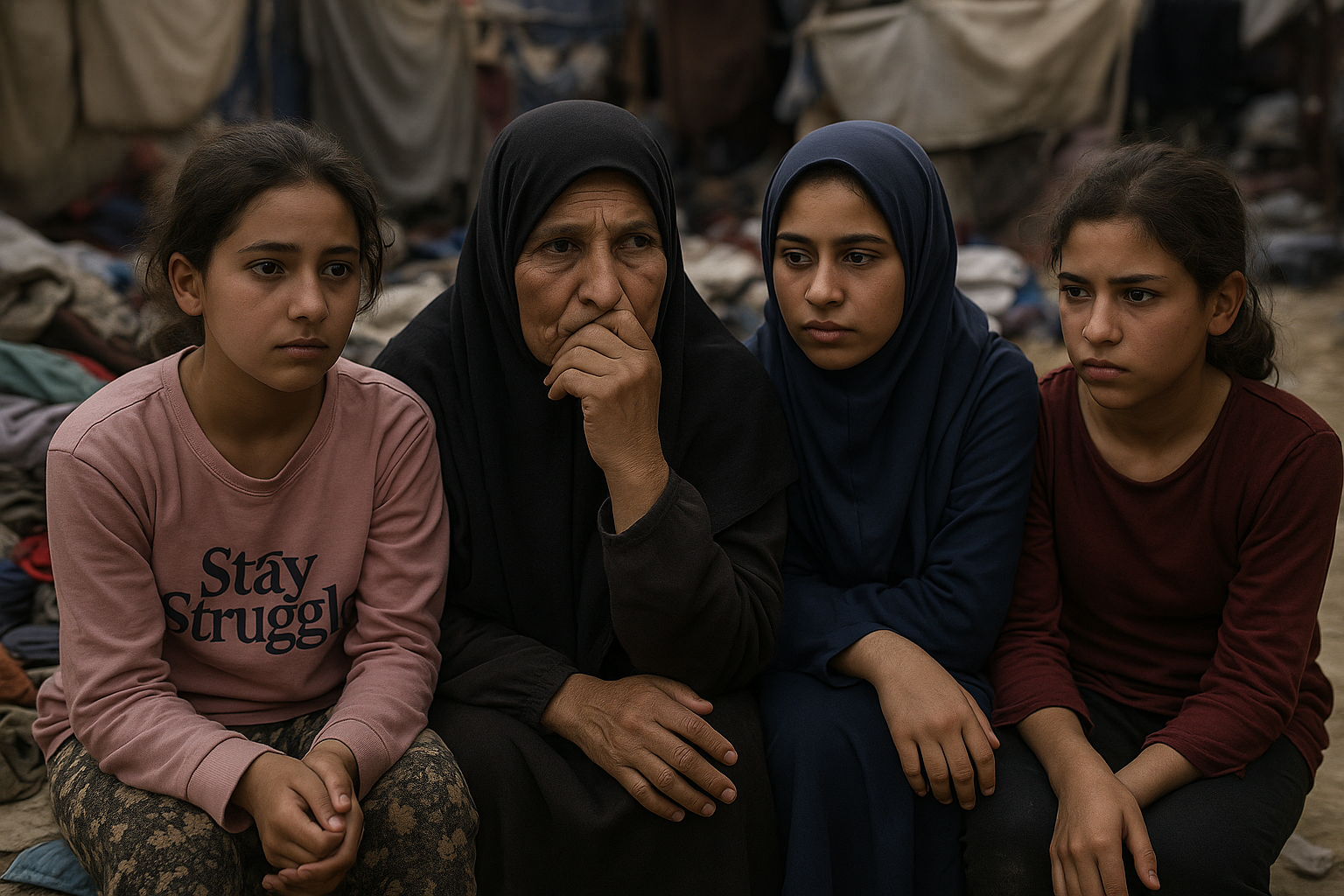
The escalating conflict in Lebanon is exacting a devastating toll on women and girls, with the United Nations warning that the growing number of casualties reflects a "profound failure" to uphold international humanitarian law and protect civilians.
According to the latest official figures cited by UN Women, at least 252 women have been killed and 1,120 injured since hostilities intensified on 2 March 2026, underscoring the disproportionate impact of the violence on vulnerable populations.
Deadliest Day Highlights Intensifying Crisis
The scale of the crisis was laid bare on 8 April, the deadliest single day since the escalation began:
-
At least 99 women killed
-
378 women injured
Rescue operations are ongoing, with additional bodies still being recovered from rubble and identified in hospitals following intensified airstrikes.
Humanitarian officials warn that the true toll may be even higher as access to affected areas remains limited and reporting continues to evolve.
"Horrific" Toll Reflects Breakdown in Civilian Protection
UN Women described the mounting casualties as "horrific," pointing to a broader breakdown in safeguards meant to protect civilians during armed conflict.
The agency emphasised that:
-
Attacks are occurring in populated areas
-
Civilian infrastructure continues to be affected
-
Women and girls face heightened risks due to displacement, insecurity, and limited access to services
"The mounting death toll… underscores a profound failure to protect civilians," the agency stated, urging all parties to comply with international humanitarian law.
Urgent Calls for De-escalation and Humanitarian Access
UN Women has renewed its calls for immediate action, including:
-
De-escalation of hostilities
-
Full protection of civilians and civilian infrastructure
-
Unimpeded humanitarian access to affected populations
-
Delivery of gender-responsive humanitarian assistance
The organisation also stressed the need for a lasting and just peace, centred on the rights, safety, and dignity of women and girls.
Women at the Centre of Response Efforts
Despite the worsening crisis, UN Women is actively expanding its operations on the ground in Lebanon.
Current efforts include:
-
Scaling up emergency livelihood support for affected women
-
Providing protection services for those at risk
-
Strengthening gender-responsive coordination across humanitarian actors
-
Ensuring recovery efforts integrate women's leadership and priorities
Experts highlight that incorporating women into response and recovery planning is essential not only for immediate relief but also for long-term stability and resilience.
A Worsening Humanitarian Outlook
As the conflict intensifies, aid agencies warn of compounding challenges:
-
Displacement is increasing, placing strain on already limited resources
-
Healthcare systems are under pressure
-
Access to basic services is deteriorating
Women and girls, particularly those displaced or heading households, are facing heightened economic and social vulnerabilities.
A Call for Accountability
UN Women reiterated that all parties must adhere to their legal obligations under international law, with accountability for violations seen as critical to preventing further harm.
As the situation continues to deteriorate, the agency and other UN bodies are urging the international community to act swiftly to protect civilians and support humanitarian efforts.
"The lives of women and girls must not be treated as collateral," officials stressed, calling for urgent measures to halt the violence and prioritise civilian safety.


 Google News