

ILO and EU Launch New Initiative to Combat Child and Forced Labour in Turkmenistan’s Cotton Sector
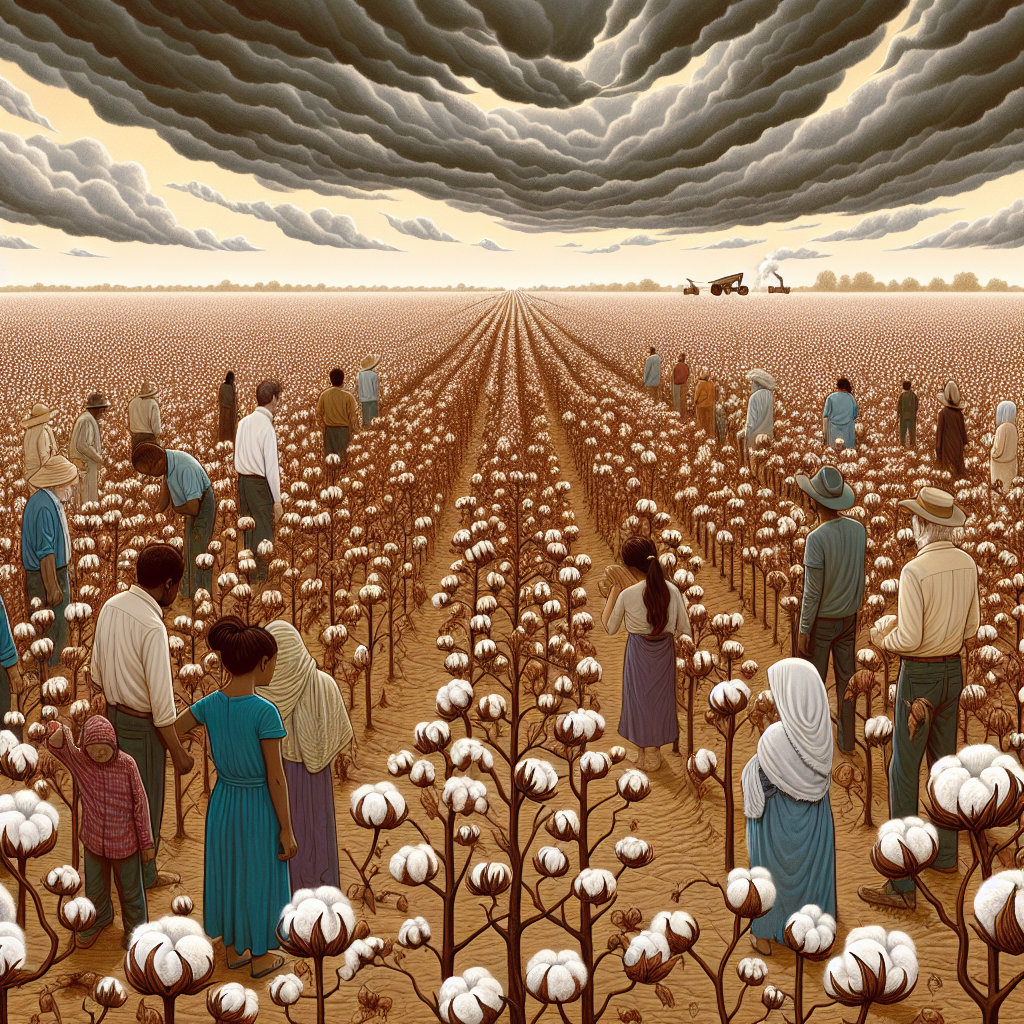
The cotton sector remains one of Turkmenistan’s most economically significant industries, employing large numbers of seasonal workers and contributing substantially to export revenues.
- Country:
- Turkmenistan
The International Labour Organization (ILO), in partnership with the European Union (EU) and Turkmenistan's national authorities, has launched a new initiative aimed at tackling child labour and forced labour while promoting decent work standards in Turkmenistan, particularly within the country's strategically important cotton sector.
The project, titled "Promoting decent work and preventing child and forced labour in Turkmenistan," will run from 2026 to 2027 and seeks to strengthen labour protections, improve institutional oversight and align the country more closely with international labour standards.
Funded by the European Union and implemented by the ILO, the initiative comes amid increasing international attention on labour conditions in Central Asia's cotton industries, where concerns over forced labour, coercive recruitment and inadequate worker protections have persisted for years.
Officials say the programme is designed not only to address immediate labour rights challenges, but also to support broader economic modernization and improve Turkmenistan's standing as a responsible trading and investment partner.
Focus on Cotton Sector and Worker Protections
The cotton sector remains one of Turkmenistan's most economically significant industries, employing large numbers of seasonal workers and contributing substantially to export revenues.
However, labour rights organizations and international observers have long raised concerns about working conditions during cotton harvesting seasons across parts of Central Asia, including allegations of coercion, inadequate labour protections and poor working conditions.
The new ILO-EU initiative seeks to ensure that cotton harvesting is conducted voluntarily and under fair, safe and lawful conditions.
"The project is about ensuring that work in the cotton harvest is carried out voluntarily and under fair and safe conditions, and that systems are in place to ensure effective implementation of worker protection," said Miranda Fajerman, ILO Headquarters Technical Specialist on Forced Labour.
The programme combines policy reform at national level with practical local interventions aimed at delivering measurable improvements on the ground.
Key areas of focus include:
-
Preventing child labour and forced labour
-
Strengthening labour inspection systems
-
Supporting legal and regulatory reforms
-
Improving institutional capacity
-
Raising awareness among workers
-
Promoting fair and safe working conditions
-
Enhancing implementation of international labour standards
The initiative also aims to strengthen systems for identifying, preventing and responding to labour rights violations.
Aligning Turkmenistan with International Labour Standards
According to the ILO, the project will support updates to Turkmenistan's legal framework and encourage further ratification and implementation of international labour conventions.
The initiative aligns with several major national and international policy frameworks, including:
-
The Concept for the Development of the Labour Market of Turkmenistan until 2030
-
The ILO–Government Roadmap of Cooperation
-
The United Nations Sustainable Development Cooperation Framework for 2026–2030
Labour rights specialists say stronger alignment with international standards could improve transparency and investor confidence while supporting Turkmenistan's broader economic development goals.
Opening the launch event in Ashgabat, government officials emphasized their commitment to labour reforms and improved worker protections.
"This project reflects Turkmenistan's strong commitment to preventing child and forced labour, particularly in the cotton sector, and advancing decent work," said Khalbibi Tachjanova, Deputy Minister of Labour and Social Protection of Population.
EU Expands Labour and Human Rights Cooperation in Central Asia
The project also reflects the European Union's growing engagement with labour rights and sustainable supply chains across Central Asia.
EU Ambassador to Turkmenistan Beata Pęksa said the initiative forms part of broader EU-Turkmenistan cooperation focused on sustainable development, labour protections and human rights.
"It advances labour and human rights while supporting sustainable and inclusive economic development," she said.
The European Union has increasingly incorporated labour rights and sustainability standards into its international trade and development policies, particularly in sectors linked to global supply chains such as cotton, textiles and agriculture.
The initiative is also linked to the European Commission's 2022 communication titled "On decent work worldwide for a global just transition and a sustainable recovery," which reaffirmed the EU's commitment to promoting decent work globally in line with the UN Sustainable Development Goals.
Decent Work Seen as Key to Sustainable Economic Growth
ILO officials stressed that strengthening labour protections is not only a human rights issue, but also a critical foundation for long-term economic sustainability and competitiveness.
By improving labour standards, reinforcing institutions and raising worker awareness, the project aims to contribute to more resilient and inclusive economic development in Turkmenistan.
The ILO believes that better working conditions and stronger labour governance can help countries integrate more effectively into global markets while reducing reputational risks associated with labour abuses.
The organisation also argues that promoting decent work contributes to:
-
Poverty reduction
-
Social stability
-
Gender equality
-
Economic productivity
-
Sustainable supply chains
-
Fairer labour markets
Analysts say international buyers and investors are increasingly demanding stronger environmental, social and governance (ESG) standards in global supply chains, making labour reform an important economic consideration for cotton-producing countries.
Central Asia Under Growing International Scrutiny
The launch of the initiative comes as labour conditions in Central Asia's cotton sectors remain under close international observation.
Over the past decade, international organisations, civil society groups and labour monitors have pushed for reforms to eliminate forced labour practices historically associated with cotton production in parts of the region.
Several countries have introduced reforms and strengthened cooperation with international institutions in response to international pressure and changing market expectations.
Observers say the new Turkmenistan initiative signals an effort to demonstrate greater openness to labour reforms and international engagement.
The programme's success will likely depend on effective implementation, independent monitoring, institutional accountability and sustained political commitment over time.
From Policy Commitments to Practical Change
ILO officials emphasized that the project is designed to move beyond policy declarations toward concrete improvements for workers and communities.
The combination of national-level legal support and local implementation is intended to ensure that reforms translate into practical workplace protections and stronger enforcement mechanisms.
By reinforcing labour institutions and improving worker awareness, the initiative is expected to contribute to safer and fairer employment practices while strengthening Turkmenistan's international economic positioning.
As global attention increasingly focuses on ethical sourcing and sustainable production, the initiative may also help position Turkmenistan more competitively in international cotton and textile markets.
The project represents another example of how labour rights, economic development and international trade are becoming more closely interconnected in shaping the future of global supply chains.


 Google News