

Refugee Youth Demand Urgent Global Action on Skills, Jobs and Inclusion Amid Rising Forced Displacement
The discussion took place against the backdrop of record levels of forced displacement worldwide caused by conflict, climate disasters, political instability, and economic collapse.
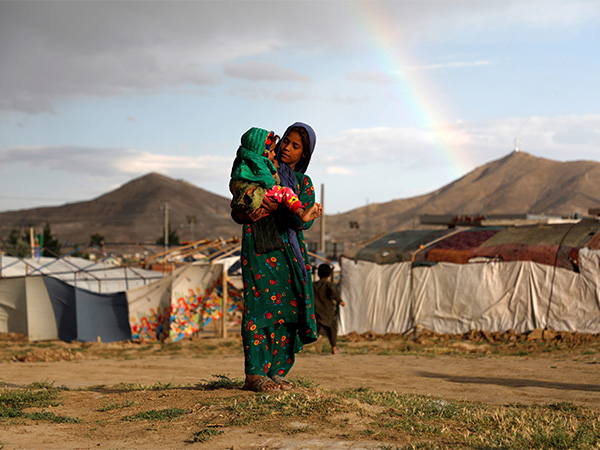
As global displacement reaches unprecedented levels, refugee youth leaders, governments, and international organizations have issued a strong call for urgent investment in education, skills development, and decent work opportunities for displaced young people. Speaking at the ECOSOC Youth Forum 2026, participants warned that millions of refugee youth risk being permanently excluded from economic and social opportunities unless immediate action is taken.
The appeal came during a high-level side event titled "Link, Learn, Localize: Working with and for Young People to Advance Self-Reliance in Forced Displacement Contexts," which brought together nearly 70 representatives from Member States, United Nations agencies, refugee youth-led organizations, civil society groups, and development partners.
Participants emphasized that refugee youth are not simply victims of crisis, but essential contributors to economic growth, peacebuilding, and community resilience when provided with the right opportunities and support systems.
Global Refugee Crisis Putting Youth Futures at Risk
The discussion took place against the backdrop of record levels of forced displacement worldwide caused by conflict, climate disasters, political instability, and economic collapse.
Millions of young refugees continue to face severe barriers to education, employment, healthcare, and social protection. According to humanitarian agencies, displaced youth are among the most vulnerable populations globally, often experiencing interrupted schooling, unemployment, poverty, discrimination, and mental health challenges.
Speakers at the forum stressed that the inability of refugee youth to access decent work and quality education is not only a humanitarian concern but also a major development challenge affecting global stability and economic progress.
Without long-term investment, experts warned that an entire generation could be left behind.
New PROSPECTS4Youth Network Launched
One of the major announcements at the event was the launch of the PROSPECTS4Youth Intergenerational Network (IGN), a new initiative jointly developed by the International Labour Organization (ILO), the United Nations High Commissioner for Refugees (UNHCR), and the United Nations Children's Fund (UNICEF).
The initiative aims to strengthen collaboration between governments, refugee youth-led organizations, civil society groups, academia, private sector actors, and UN agencies.
The network seeks to promote coordinated action across the humanitarian-development-peace nexus while ensuring that refugee youth are actively involved in designing and implementing policies that affect their lives.
Organizers explained that the programme will focus on:
-
Expanding access to education and vocational training
-
Promoting employment and entrepreneurship opportunities
-
Strengthening youth leadership
-
Supporting localization and community-led solutions
-
Building partnerships between refugee and host communities
The initiative reflects a growing recognition within the international community that sustainable solutions to displacement require long-term economic inclusion rather than short-term humanitarian assistance alone.
International Organizations Stress Youth-Centred Approaches
The event was co-organized by the ILO, UNHCR, UNICEF, and the Global Refugee Youth Network (GRYN), with support from the Ministry of Foreign Affairs of the Kingdom of the Netherlands, the Compact for Young People in Humanitarian Action, and the United Nations Volunteers programme.
Cynthia Samuel-Olonjuwon, Special Representative to the United Nations and Director of the ILO Office for the United Nations, highlighted the importance of placing young people at the centre of all responses to forced displacement.
She emphasized that refugee youth should not merely be beneficiaries of aid programmes but active partners in shaping long-term solutions. According to her, sustainable approaches must focus on empowerment, economic inclusion, and opportunities for self-reliance.
Kenya's Refugee Inclusion Model Highlighted
Ambassador Erastus Ekitela Lokaale, Kenya's Permanent Representative to the United Nations, pointed to Kenya's Shirika Plan as an example of refugee-inclusive policymaking.
The initiative seeks to integrate refugees into national systems while expanding access to:
-
Education
-
Healthcare
-
Economic opportunities
-
Social services
-
Skills development programmes
The Kenyan government believes that promoting refugee self-reliance not only benefits displaced communities but also contributes to national development and social stability.
Kenya hosts hundreds of thousands of refugees, including large populations in Kakuma and Dadaab refugee camps, making it one of Africa's largest refugee-hosting nations.
Netherlands Highlights Youth-Focused Development Strategy
Jurriaan Middelhoff, Ambassador for Youth, Education and Work at the Ministry of Foreign Affairs of the Kingdom of the Netherlands, shared lessons from the Netherlands' Youth at Heart Strategy.
The strategy, implemented over the past five years, places young people at the centre of international development cooperation efforts.
Middelhoff stressed the importance of partnerships like the PROSPECTS Programme in expanding access to education, employment, and vocational training for displaced youth.
He noted that investment in young people produces long-term social and economic benefits not only for refugees themselves but also for host communities and national economies.
Refugee Youth-Led Organizations Driving Local Solutions
A major focus of the forum was the growing role of refugee youth-led organizations in addressing local challenges directly within displacement settings.
Participants repeatedly emphasized the importance of "localization," ensuring that refugee communities themselves design and lead programmes rather than relying entirely on external actors.
One of the most powerful testimonies came from Nifasha Adelaide, Youth Leader and Associate at GRYN and Co-founder of the Refugee Coalition for Climate Action (RCCA) in Zimbabwe.
Speaking about initiatives in Tongogara Refugee Camp, Adelaide explained how refugee youth are leading projects focused on:
-
Environmental education
-
Agroforestry
-
Nursery management
-
Sustainable energy
-
Climate resilience
She noted that these initiatives are not only environmental projects but also practical economic responses helping refugee families survive difficult conditions.
The discussion highlighted how refugee-led organizations often understand community needs more effectively than external agencies and can deliver solutions more quickly and sustainably.
Education Described as a Lifeline for Refugees
UNHCR Goodwill Ambassador Mary Maker, founder of Elimisha Kakuma, stressed the transformative power of education for displaced youth.
Her initiative supports access to higher education opportunities for students living in Kenya's Kakuma Refugee Camp.
Maker described education as:
-
A pathway to dignity
-
A source of hope
-
A foundation for rebuilding lives
-
A tool for long-term empowerment
She argued that without access to quality education, refugee youth remain trapped in cycles of poverty and dependency.
Global humanitarian agencies have repeatedly warned that refugee children and youth continue to face severe educational disruptions, with many lacking access to secondary and tertiary education opportunities.
Calls for Expanding Access to Decent Work
Siam Yabili, founder of Congo Connexion, highlighted the urgent need to create decent work opportunities for refugees.
He explained that sustainable livelihoods are essential for restoring dignity and enabling refugees to contribute meaningfully to both host communities and local economies.
Experts at the forum stressed that employment opportunities help reduce dependency on humanitarian aid while also supporting economic growth in host countries.
However, refugees often face:
-
Legal restrictions on employment
-
Lack of work permits
-
Discrimination
-
Limited access to financial services
-
Recognition barriers for qualifications and skills
Addressing these obstacles remains critical for achieving long-term refugee self-reliance.
Funding and Legal Barriers Remain Major Challenges
Kellie Leeson, Vice President at the Women's Refugee Commission, discussed the persistent barriers facing refugee youth-led organizations.
She pointed to legal documentation issues, compliance requirements, and funding restrictions that often prevent grassroots refugee organizations from accessing international support.
Despite these challenges, she emphasized the importance of continuing efforts to channel resources directly to refugee-led initiatives.
Humanitarian experts increasingly argue that empowering local organizations creates more sustainable and community-driven outcomes compared to externally imposed solutions.
Strong Call for Long-Term Investment
By the conclusion of the forum, participants agreed that achieving refugee self-reliance requires sustained and coordinated investment in:
-
Skills development
-
Quality education
-
Youth leadership
-
Entrepreneurship
-
Employment opportunities
-
Community partnerships
Laura Valencia, closing the session, emphasized the value of lived experience in policymaking and programme design.
She noted that refugee youth possess critical insights into the realities of displacement and should be treated as equal partners in decision-making processes.
The forum ended with a united appeal to governments, international agencies, and development partners to move beyond promises and translate commitments into concrete action for refugee youth worldwide.


 Google News