

UN Rights Chief Warns Forced Deportations of Afghan Refugees Violate International Law
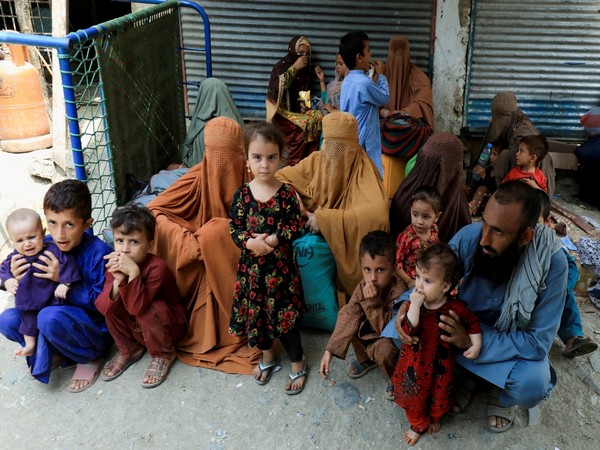
The new wave of deportations follows a massive expulsion campaign in 2025, during which more than 1.2 million Afghans were deported from Iran and approximately 150,000 from Pakistan.
- Country:
- Afghanistan
UN High Commissioner for Human Rights Volker Türk has issued a strong warning against the growing number of forced returns of Afghan refugees and asylum seekers, saying the deportations expose vulnerable people to serious human rights abuses and violate international refugee protections.
Türk expressed deep concern over the increasing pressure placed on Afghan refugees in several countries, particularly Iran and Pakistan, where hundreds of thousands have already been expelled this year. He cautioned that returning Afghans to a country still facing severe repression, humanitarian collapse, and armed insecurity places lives at immediate risk.
Hundreds of Thousands Forced Back Into Crisis
According to figures released by the United Nations High Commissioner for Refugees (UNHCR), nearly 270,000 Afghans have already been deported in 2026, primarily from Iran and Pakistan. Smaller numbers have also been returned from Türkiye and Tajikistan.
The new wave of deportations follows a massive expulsion campaign in 2025, during which more than 1.2 million Afghans were deported from Iran and approximately 150,000 from Pakistan.
Many of those returning are arriving in Afghanistan with little money, no shelter, and uncertain futures in a country still struggling under Taliban rule and worsening economic collapse.
Humanitarian agencies have repeatedly warned that Afghanistan lacks the capacity to absorb such large numbers of returnees, especially as unemployment, food insecurity, and displacement continue to rise across the country.
UN Reports Reveal Serious Human Rights Violations
Türk's warning comes after alarming findings published by the UN Assistance Mission in Afghanistan (UNAMA) and the Office of the UN High Commissioner for Human Rights (OHCHR) in a report titled No Safe Haven.
The report documented numerous cases in which Afghans forcibly returned to the country experienced arbitrary arrests, detention, torture, intimidation, and other forms of abuse at the hands of the Taliban authorities.
Particularly vulnerable groups include:
-
Women and girls
-
Former government employees
-
Ex-members of Afghan security forces
-
Journalists and media workers
-
Human rights defenders
-
Civil society activists
-
Members of the LGBTIQ+ community
Many of these individuals are believed to face direct threats because of their previous roles, beliefs, or identities.
Türk stressed that deporting people who are at serious risk of persecution directly violates the international legal principle of non-refoulement, which prohibits states from returning individuals to places where they may face torture, persecution, or irreparable harm.
Europe's Deportation Debate Raises New Alarm
The UN Human Rights Chief also voiced concern over reports that several European countries are reconsidering deportation policies toward Afghan nationals despite the ongoing crisis inside Afghanistan.
Some European Union member states have recently called for a coordinated approach to accelerating returns of rejected asylum seekers, including Afghans.
Türk warned that proposed EU return regulations currently under discussion could weaken existing human rights safeguards and increase the danger faced by asylum seekers.
He emphasized that every case involving Afghan refugees must undergo a full individualized risk assessment in accordance with international refugee and human rights law before any removal decision is made.
Rights organizations fear that political pressure to reduce migration in Europe may overshadow humanitarian obligations toward people fleeing conflict and repression.
Afghan Women Continue to Face Severe Restrictions
The human rights situation inside Afghanistan remains among the worst in the world, especially for women and girls.
Since returning to power in 2021, the Taliban have imposed sweeping restrictions on female education, employment, movement, and public participation. Girls are banned from attending secondary schools and universities in most areas, while many women are prohibited from working in NGOs, public institutions, and various professions.
The United Nations has repeatedly described these policies as systematic gender discrimination and warned that Afghan women are being erased from public life.
Human rights experts argue that forcibly returning women and girls to such conditions places them at heightened risk of abuse, poverty, forced marriage, and social exclusion.
Rising Violence and Regional Instability
Apart from the deteriorating human rights environment, Afghanistan is also facing growing security threats and humanitarian instability.
The UN noted that the last quarter of 2025 recorded the highest civilian casualty rates since the Taliban takeover, largely due to escalating tensions and cross-border hostilities between Afghanistan and Pakistan.
Frequent clashes along the border have intensified insecurity for civilians, displaced families, and disrupted humanitarian access in several regions.
At the same time, Afghanistan continues to battle economic collapse, widespread hunger, climate-related disasters, and shrinking international aid support.
Millions of Afghans remain dependent on humanitarian assistance for survival.
International Community Urged to Protect Refugees
Türk called on all governments to uphold their international legal obligations and ensure that Afghan refugees are protected rather than expelled into danger.
He urged states to avoid policies driven solely by migration control and instead prioritize human dignity, refugee protection, and human rights.
Humanitarian groups have also appealed for increased international support for host countries carrying large refugee populations, while warning that forced deportations only deepen instability and suffering.
As Afghanistan's crisis continues with no clear political solution in sight, the UN says protecting vulnerable refugees remains an urgent global responsibility.


 Google News