

Climate Crisis Puts 1.1 Billion Children at Growing Risk
UNICEF says governments can reduce those risks through targeted investments that strengthen essential services and improve resilience before disasters strike.
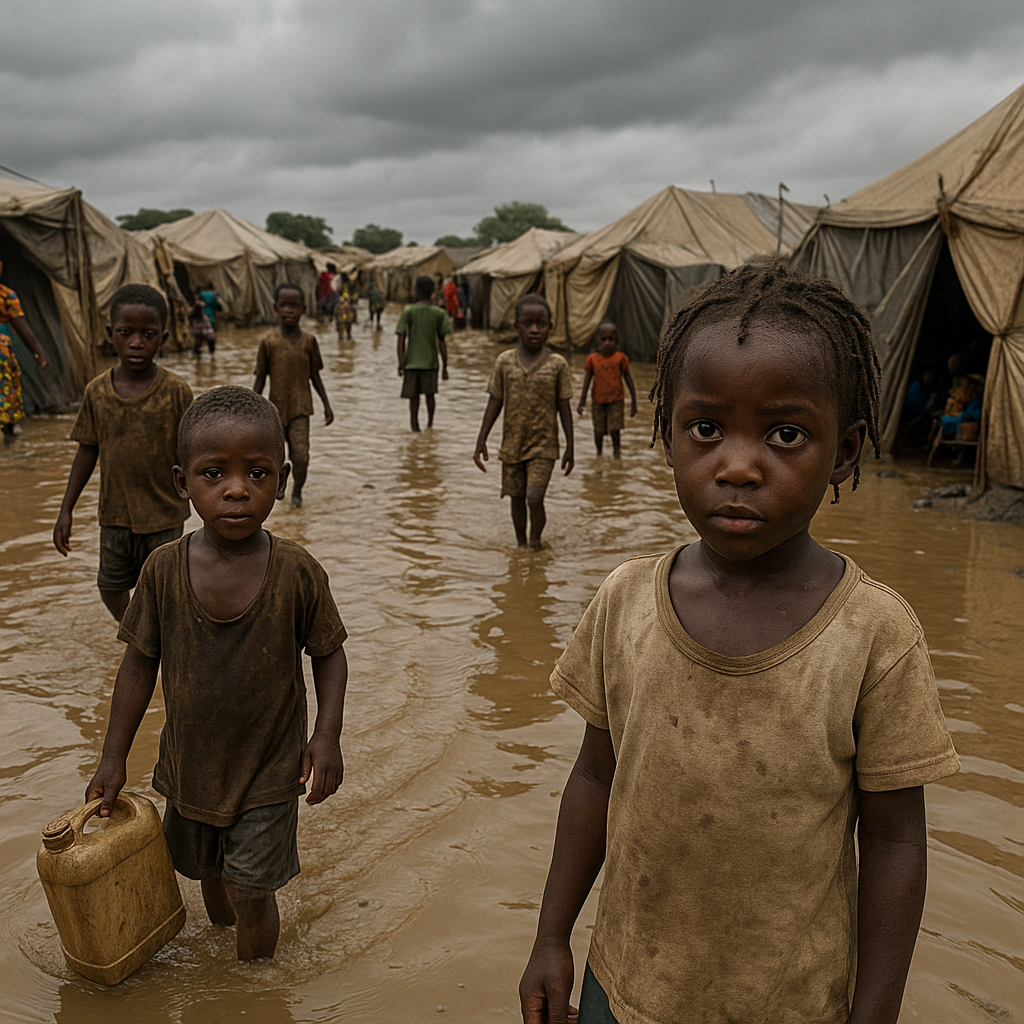
Nearly half of the world's children are now exposed to multiple climate-related hazards, with new UNICEF analysis revealing how extreme weather is increasingly disrupting education, health, safety and daily life for millions of young people. The report warns that climate change is no longer a future threat to children. Across many regions, its effects are already shaping how children live, learn and survive.
Children Face Multiple Climate Threats at Once
According to UNICEF, almost every child worldwide is exposed to at least one climate hazard such as floods, droughts, storms or extreme heat. More concerning is the growing number of children facing several threats at the same time. The analysis estimates that around 1.1 billion children are exposed to at least three climate hazards, while some communities face as many as six overlapping risks.
In regions such as the Sahel, children are coping with extreme heat, prolonged drought and sand and dust storms simultaneously. Countries including Bangladesh, Myanmar and Pakistan rank among the most heavily affected, while small island nations such as Haiti and Vanuatu remain highly vulnerable to severe storms that can overwhelm communities within hours.
UNICEF says these overlapping climate shocks often reinforce one another, creating increasingly dangerous conditions for children and their families.
Climate Impacts Disrupt Education and Health
The report highlights the experience of schoolchildren in Papua New Guinea, where flooding destroyed a bridge connecting villages to a school. As a result, students have been forced to place their uniforms and books in buckets and swim across a fast-moving river known for strong currents and crocodiles in order to attend classes.
UNICEF says such situations demonstrate how climate change is affecting children's lives in immediate and dangerous ways. The consequences extend well beyond education. Droughts can increase hunger and malnutrition, while floods may contaminate water supplies and trigger outbreaks of diseases such as cholera.
Today, around 634 million children still lack access to safe drinking water, and one billion do not have access to safe sanitation. Climate-related disasters are placing even greater pressure on these already fragile systems. In 2024 alone, at least 242 million children experienced disruptions to their schooling because of climate hazards.
UNICEF Calls for Urgent Child-Focused Action
The agency warns that children in conflict-affected countries such as Sudan, Chad, Haiti and the Central African Republic face even greater risks because access to healthcare, nutrition and clean water is already limited.
UNICEF says governments can reduce those risks through targeted investments that strengthen essential services and improve resilience before disasters strike. Examples include installing solar power systems to keep schools operating during outages, developing groundwater sources for drinking water, upgrading sanitation infrastructure and constructing shelters that protect families during storms.
The organisation stresses that children have contributed the least to the climate crisis yet continue to bear some of its most severe consequences. UNICEF says urgent action is needed to ensure future climate shocks do not further threaten children's health, education and wellbeing, adding that stronger investments today can help millions of young people survive and thrive in an increasingly uncertain climate.
ALSO READ
-
Somalia Faces Deepening Hunger as Flood Threat Puts Lives and Farms at Risk
-
Nepal’s Floods Leave 14,000 Children Facing Disrupted Learning as Recovery Needs Grow
-
Mozambique Shapes New Climate Strategy to Protect Communities From Extreme Weather
-
Climate Change Is Deepening the Crisis for Millions Living Without a Nationality Today
-
Drone Strikes Destroy Over 292,000 Textbooks Ahead of Sudan’s New School Year


 Google News