

Land Grabs and War Push Rural Communities Out as Global Farmland Falls Into Fewer Hands
“The old drivers of dispossession remain at work. New mechanisms now compound the old,” said Shalmali Guttal, the Working Group’s Chair-Rapporteur.
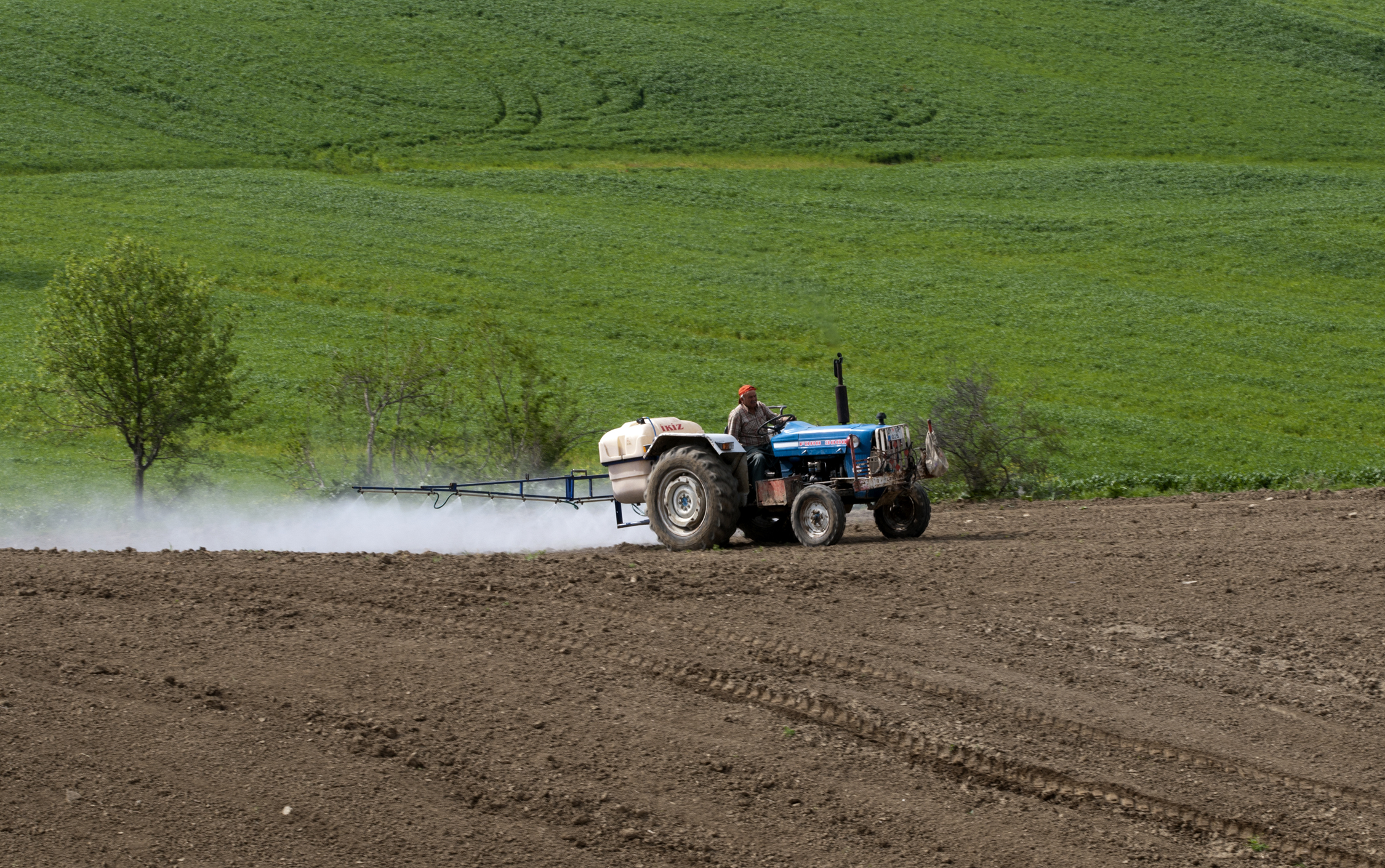
For rural communities, losing territory can mean losing a farm, a fishing ground, a grazing route or the forest that provides food and fuel. UN experts have warned that war, occupation, corporate land deals and projects marketed as climate or conservation solutions are pushing people out and concentrating control over agricultural land at historically unprecedented levels.
A new report to the UN General Assembly by the Working Group on the rights of peasants and other people working in rural areas examines how these losses happen and what governments must do to address them. Peasants, fishers, pastoralists and Indigenous Peoples face pressure from both outright seizures and quieter changes in ownership, recordkeeping and laws that fail to recognise their rights.
Dispossession does not always begin with an eviction
"The old drivers of dispossession remain at work. New mechanisms now compound the old," said Shalmali Guttal, the Working Group's Chair-Rapporteur. Companies acquire large areas of land, carbon projects begin without communities' consent, and industrial aquaculture or tourism developments take over places where people fish and earn a living.
Other losses happen gradually, through the purchase of small and medium-sized farms or the introduction of digital land registries that leave customary claims out of official records. Laws can make the problem worse by treating shared pastures and water points as vacant land, ignoring the communities that depend on them.
Conflict brings destruction that can shape rural life for generations. The report describes farmland being emptied, confiscated or destroyed in Sudan, Ukraine, Gaza and the West Bank, together with the resources people need to produce food. "Armed conflicts and prolonged occupations accelerate dispossession, with effects that outlast the conflict itself," Guttal said.
More land in fewer hands, less security for women
The largest 0.1 per cent of farms now operate more than half of the world's agricultural land, according to the report, leaving extreme concentration at one end and landlessness at the other.
Wealthy countries are part of this pattern. In the United States, 4.4 per cent of farms controlled 61 per cent of agricultural land in 2022. In the European Union, 3.1 per cent held 52.2 per cent in 2013.
Women face particular insecurity. Fewer than 15 per cent of rural women hold secure land rights, the experts found, and men are more likely to have secure rights to farmland. Carbon, conservation and aquaculture projects can take over territories women use without holding formal title, putting their livelihoods at risk when official ownership papers become the basis for deciding whose claims count.
The report's understanding of territory extends beyond farmland to water, coastal seas, fisheries, forests and pastures. Access to these places underpins food security and the exercise of every right recognised in the UN Declaration on the Rights of Peasants and Other People Working in Rural Areas, known as UNDROP.
Small-scale fisheries supply close to two-thirds of global catches intended for direct human consumption, Guttal noted, calling for immediate government attention to the loss of fishing access and its concentration in fewer hands.
Reform must reach beyond ownership papers
"Formalising unequal ownership is legally insufficient," Guttal said. The Working Group called for agrarian reform that does more than issue titles to existing owners. Governments should give customary and collective tenure equal recognition alongside private property, including rights over fishing grounds and pastures.
Its recommendations include limits on land accumulation and redistribution to landless people, young people and other marginalised groups, so that reform changes who can access territory and support themselves from it.
People driven from their homes and livelihoods also need restitution that reflects everything they lost. Returning a parcel of farmland alone cannot restore access to fishing waters, forests or grazing areas that formed part of their territory.
"Restitution must cover territories, not only land, for all who have been driven out," Guttal said. For the Working Group, putting UNDROP into practice requires recognition of different forms of tenure, redistribution where access is unequal and restitution where dispossession has occurred.


 Google News