

The Battle for Hungarian Democracy: Orbán's Media Monopoly and Political Polarization
In the lead-up to the European Parliament elections, Hungarian Prime Minister Viktor Orbán's Fidesz party framed the contest as an existential struggle. Using a vast pro-government media network, Orbán secured a victory despite challenges from new opposition party TISZA, which decried pervasive corruption and propaganda. Orbán's media control has increasingly polarized Hungarian society and obscured government abuses while cementing Fidesz's dominance.
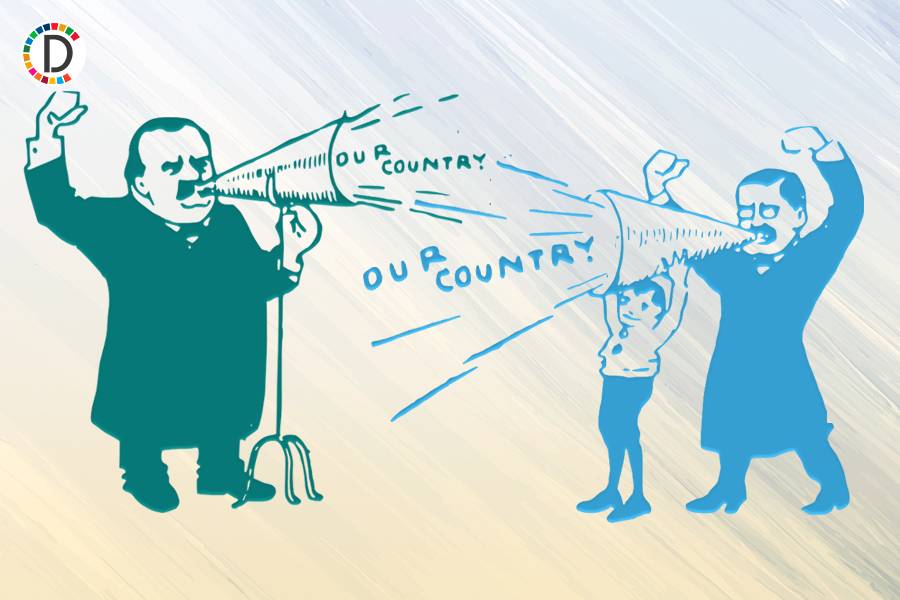
In the months preceding the European Parliament elections, Hungarian Prime Minister Viktor Orbán's Fidesz party declared the vote a fight for Europe's peace or imminent chaos, depending on their win or loss. Deploying a colossal pro-government media empire, Orbán's tactics secured an election victory, though by narrower margins than expected.
Opposition figure Péter Magyar, leader of the new Respect and Freedom (TISZA) party and a former Fidesz insider, has been a vocal critic of the government's propaganda and corruption. Magyar's party garnered a significant 29% of the vote by engaging in direct voter interaction and leveraging social media to counterbalance Orbán's media dominance.
Analysts argue that Orbán's grip on Hungary's media landscape creates a manipulated reality, undermining democratic participation. The heavy flow of state advertising funds to pro-Fidesz outlets, coupled with near-monopolistic control of traditional media, ensures their narratives dominate public discourse, isolating independent voices.


 Google News