

Trump's Economic Legacy: A Tale of Growth and Inflation
This article explores the economic record of Donald Trump's presidency, particularly focusing on comparisons with the current economic situation. It discusses GDP trends, the impact of inflation, income levels, unemployment rates, and wealth accumulation, offering insights into the effectiveness of policies across different administrations.
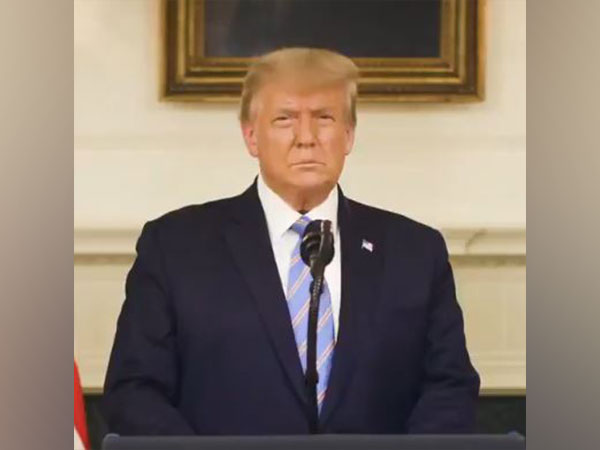
Republican presidential candidate and former President Donald Trump is reviving a classic campaign question: Are voters better off now than they were four years ago? Yet, the data tells a complex story about economic challenges and achievements.
In 2020, Trump's final year in office, the COVID-19 pandemic led to a significant drop in U.S. life expectancy and a 28% GDP plunge, despite subsequent economic recovery efforts. Recently released figures indicate the economy has grown over 11% since 2019, challenging the narrative of economic stagnation.
Inflation, a major attack point in Trump's campaign, peaked post-2021 but is now under control. However, disinflation's positive effects on income and unemployment rates seem unnoticed by many voters. With a recovering labor market and increasing household net worth, the Biden administration paints a mixed economic picture.


 Google News