

Return of Hostages Marks Somber Chapter in Israel-Hamas Ceasefire
The remains of captives held by Hamas, including the Bibas family and journalist Oded Lifshitz, are to be returned as part of a ceasefire agreement. The news carries emotional weight for Israel, highlighting the human toll of the conflict amid ongoing prisoner exchanges.
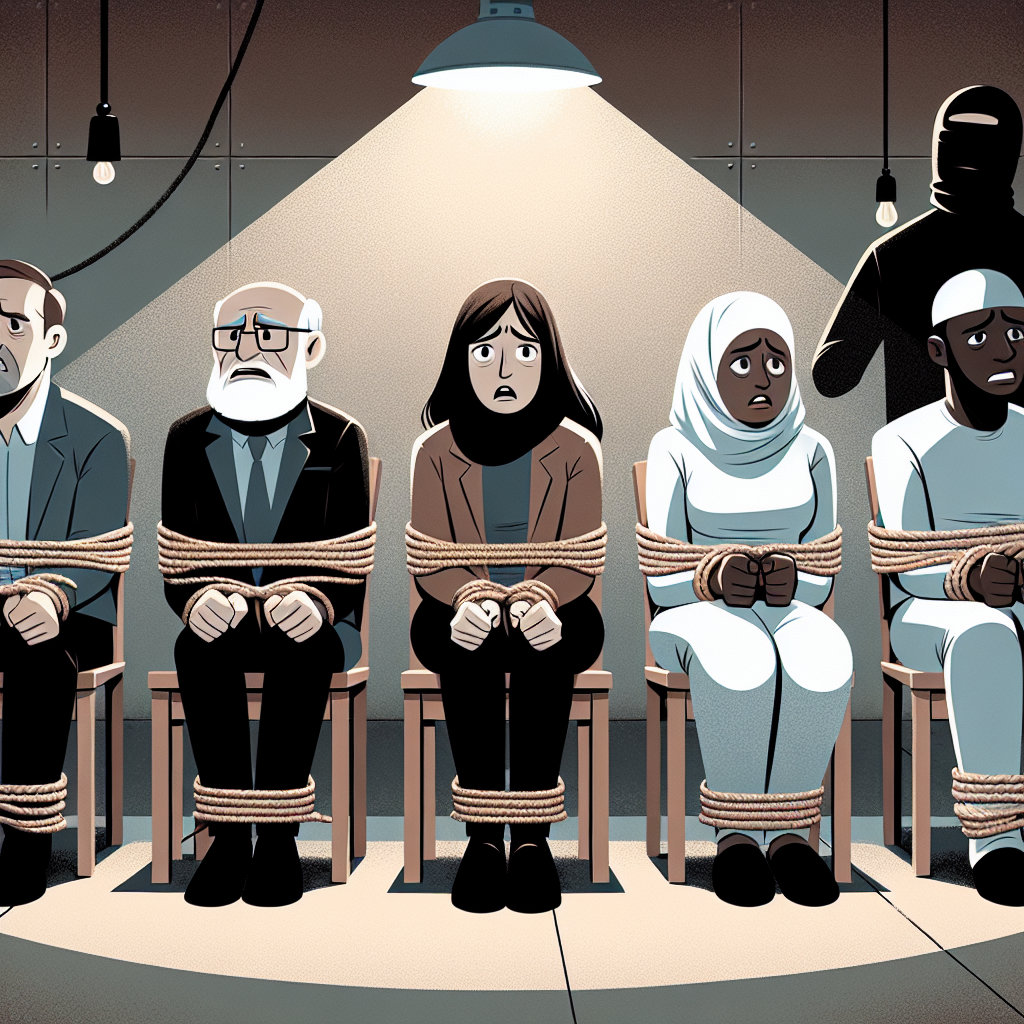
The remains of the youngest and one of the oldest of those taken captive by Hamas are set to be returned, marking a significant yet somber moment in the Israel-Hamas ceasefire. This development follows Wednesday's announcement by an Israeli official.
Part of the ceasefire's terms include repatriating the bodies of a mother and her two young children, alongside a retired journalist, Oded Lifshitz. Prime Minister Benjamin Netanyahu expressed the deep collective heartache of the nation as Israel attempts to address both the human impact and diplomatic efforts surrounding these exchanges.
Hamas’s agreement to return the bodies comes amid a broader exchange of hostages and prisoners. As six living hostages are set to be freed this Saturday, marking progress in the ongoing ceasefire negotiations, the public grapples with a mix of relief and mourning. The hostages symbolize the broader human cost and emotional weight of the decades-long conflict.


 Google News