

Trump's Role in Middle East Tensions: A New Era of Conflict
U.S. President Donald Trump intervened militarily by approving airstrikes on Iran, joining Israel in a major conflict. This marks a major foreign policy gamble with potential risks, including escalation in the Middle East and unforeseen retaliations, despite Trump's calls for peace.
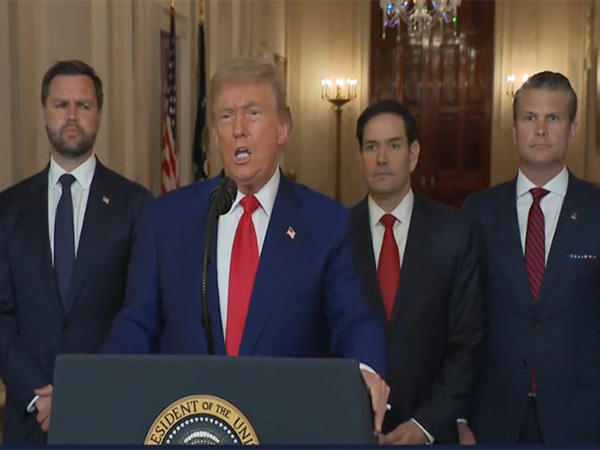
In a significant shift in U.S. foreign policy, President Donald Trump authorized airstrikes on Iran's nuclear sites, joining Israel in military action against a long-standing adversary. This decision contradicts Trump's previous stance of avoiding major military interventions abroad.
The strikes, targeting Iran's heavily fortified nuclear installations, are considered Trump's most substantial foreign policy gamble, fraught with risks of potential escalation. The move could provoke Iran into retaliatory actions, potentially leading to a broader conflict encompassing key geopolitical and economic interests in the region.
Experts warn that while the strikes have temporarily set back Iran's nuclear capabilities, they might inadvertently encourage Tehran to pursue nuclear armament as a form of deterrence. Analysts suggest that the Iranian response remains uncertain, with potential retaliatory measures against U.S. and Israeli targets.


 Google News