

G20's Rising Influence: A Threat to UN Security Council?
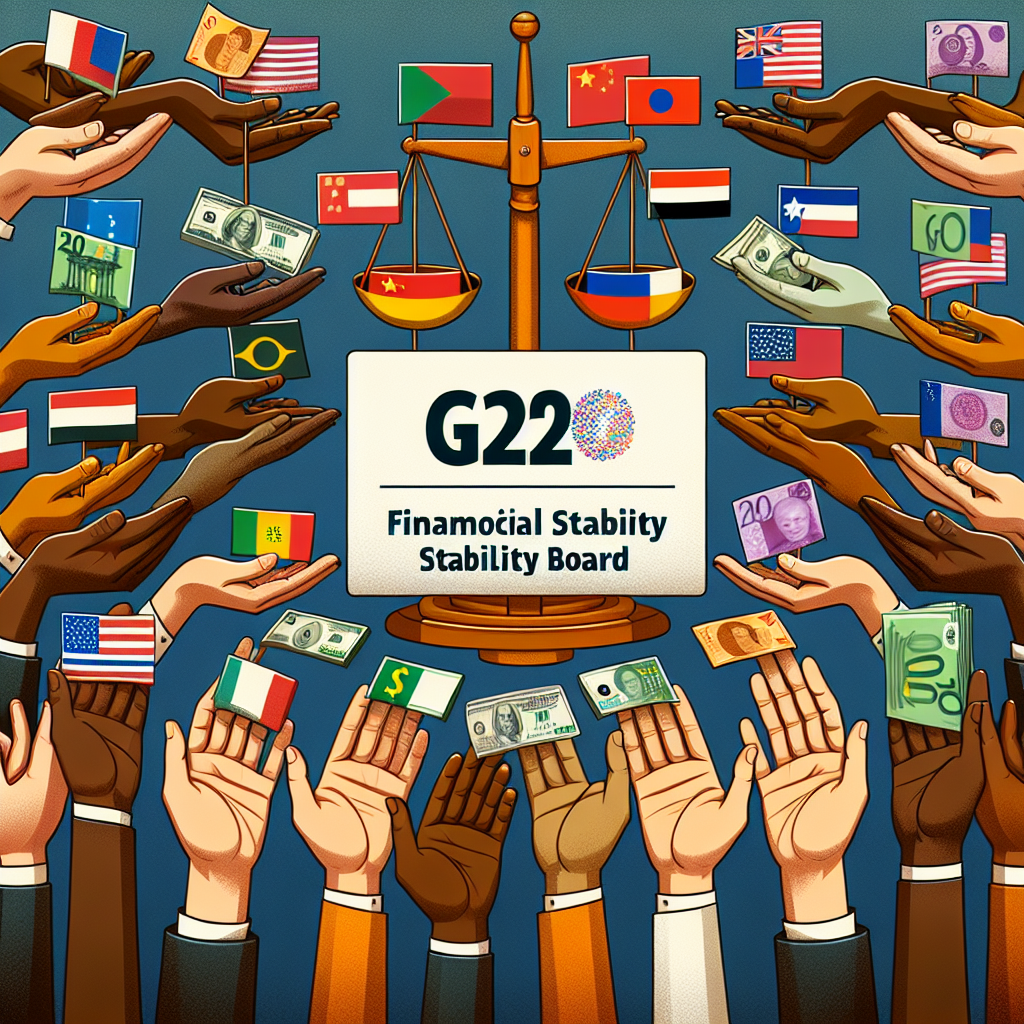
Congressman Shashi Tharoor posits that the G20 could challenge the UN Security Council's primacy by better reflecting modern realities. While the UN retains its role, the G20's adaptable structure contrasts with the Security Council's 1945 framework, offering a more representative global platform and sparking potential evolution in international governance.
- Country:
- India
In a thought-provoking discussion at the Raisina Dialogue, Congress MP Shashi Tharoor suggested that the G20 could potentially eclipse the UN Security Council in global influence. Tharoor argued that the G20, unhindered by a charter, mirrors modern realities more effectively than the traditionally structured Security Council.
Tharoor highlighted the G20's inclusive nature and ability to adapt—qualities that contrast sharply with the UN Security Council's static framework established in 1945. This adaptability positions the G20 as a more accurate reflection of contemporary geopolitics, with room to include nations gaining economic and military prominence.
Despite these changes, Tharoor remains optimistic about the United Nations' future. Although the UN may not completely fulfill its original 1945 vision, it continues to serve as a cornerstone of international cooperation. Tharoor emphasized that global collaboration's effectiveness will fluctuate based on emerging global crises.


 Google News