

Portugal's Labour Reform: Controversy and Negotiations Unfold
Portugal's centre-right government is pushing forward its labor reform plan, even after negotiations with unions failed. The reform, a key part of the government's strategy, aims to boost productivity. Criticized for potentially increasing job insecurity, the bill needs support from the far-right to pass parliament.
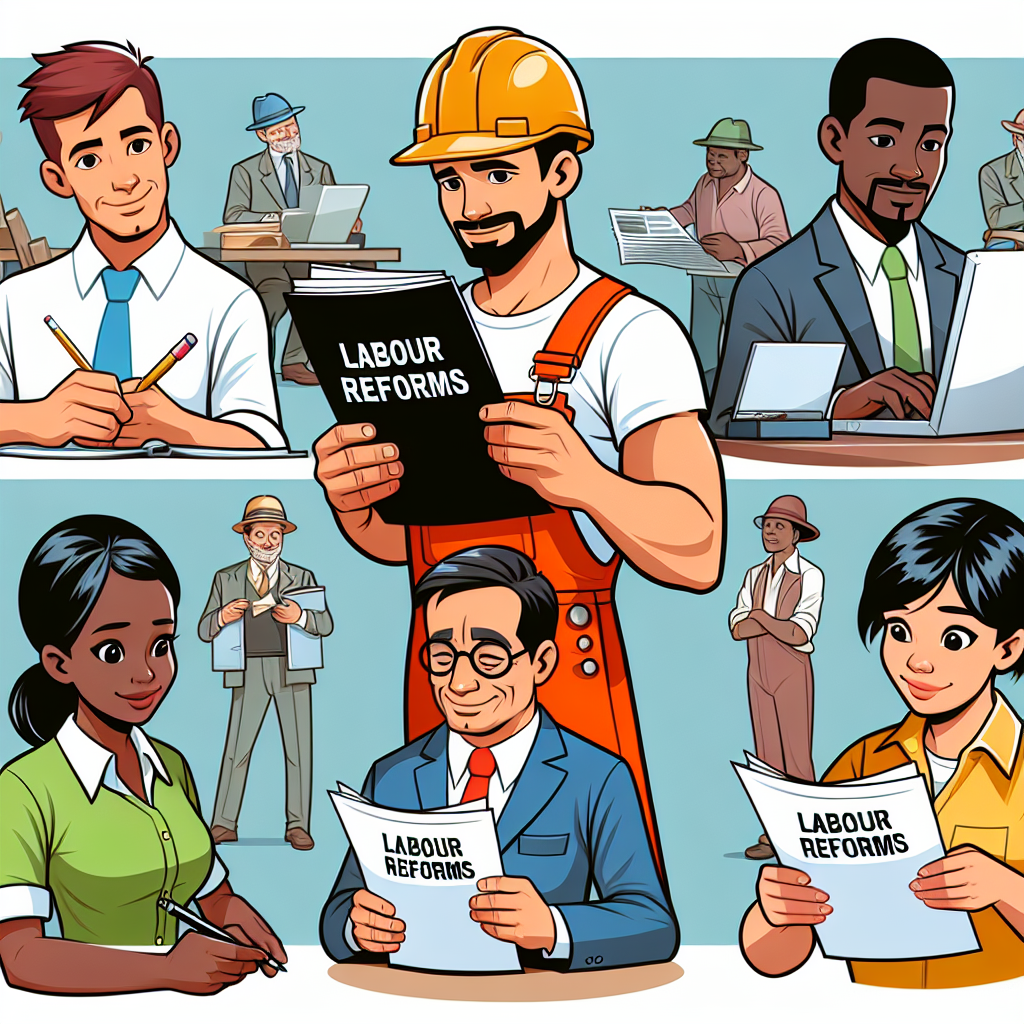
Portugal's minority centre-right government is forging ahead with its labour reform plan, presenting a slightly adjusted draft bill after union negotiations fell through. The objective is to secure parliamentary approval, relying on the support of the far-right, as the government seeks to enhance productivity and economic growth.
After nine months of mandatory talks with the government, employers, and unions, discussions ended unsuccessfully last week. Unions criticized the government for allegedly prioritizing employers over workers, citing increased job insecurity as a major concern.
Labour Minister Maria do Rosario Ramalho has highlighted the rigidity of Portugal's labour laws, stating that they have contributed to low productivity and income issues. Meanwhile, the far-right party, Chega, led by Andre Ventura, signifies willingness to negotiate, setting conditions such as reducing the retirement age and restoring annual leave lost post-2011 bailout.
ALSO READ
-
Indonesian Employers Seek a Stronger Voice in OECD Reforms on Jobs, Skills and Business
-
Human Cost of Faster Work: Chinese Employees Weigh AI’s Promise Against Pay Fears
-
Turbulence Ahead: EasyJet Strikes Set to Ground Flights During Peak Travel Seasons
-
EasyJet Crew Strike Looms Over Portugal Airports
-
Portuguese EasyJet Cabin Crew to Strike Over Working Conditions


 Google News