

NASA's 45-year-old spacecraft still sending back unique data from interstellar space
- Country:
- United States
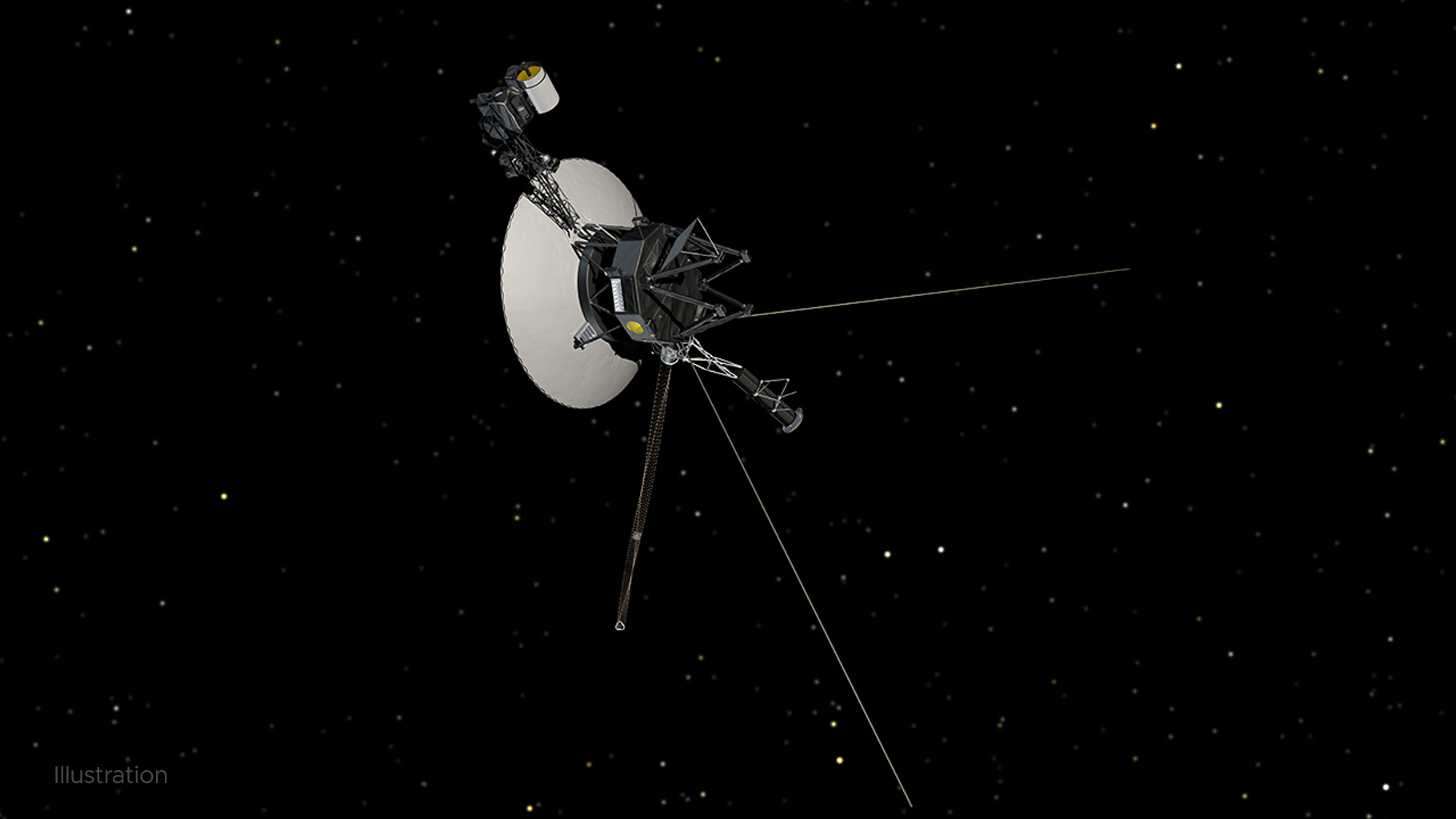
NASA's 45-year-old spacecraft, Voyager-1, is sending signals and operating normally in interstellar space but the telemetry data it's returning is invalid. The mission team is still investigating the source of this anomaly whilst managing the spacecraft's power supply, which has been steadily decreasing for the last 45 years.
Voyager 1 is currently 14.5 billion miles from the Earth while its sibling Voyager 2 is 12.1 billion miles from Earth. The two Voyagers have been exploring our solar system since 1977 and sending back unique science data from interstellar space.
In a series of tweets on Thursday, the team with Voyager-1 said:
"While I've been quiet on here the last few weeks, my engineering team has been hard at work. First, they're still investigating my telemetry data - but don't worry, I'm still able to receive and execute commands from Earth.
They're also managing my power supply, which has been steadily decreasing for the last 45 years. They've gradually shut off heaters and other systems on me and my twin, but we're both still sending back unique science data from interstellar space.
While our power budgets will continue to get tighter, our team thinks we can continue to do science for at least another five years. I might get to celebrate my 50th launch anniversary or even operate into the 2030s."
Hello from interstellar space! 👋 While I've been quiet on here the last few weeks, my engineering team has been hard at work. First, they're still investigating my telemetry data - but don't worry, I'm still able to receive and execute commands from Earth.
— NASA Voyager (@NASAVoyager) June 23, 2022
According to the mission teams, both Voyagers, have less and less power available over time to run their science instruments and the heaters that keep them warm in the coldness of deep space. The mission engineering team is working to keep the two spacecraft operating and returning unique science beyond 2025. For this, the team has turned off various subsystems and heaters so that power can be reserved for science instruments and critical systems.


 Google News