

Launching next week, this NASA spacecraft will fly a new path to the Moon: What's special?
- Country:
- United States
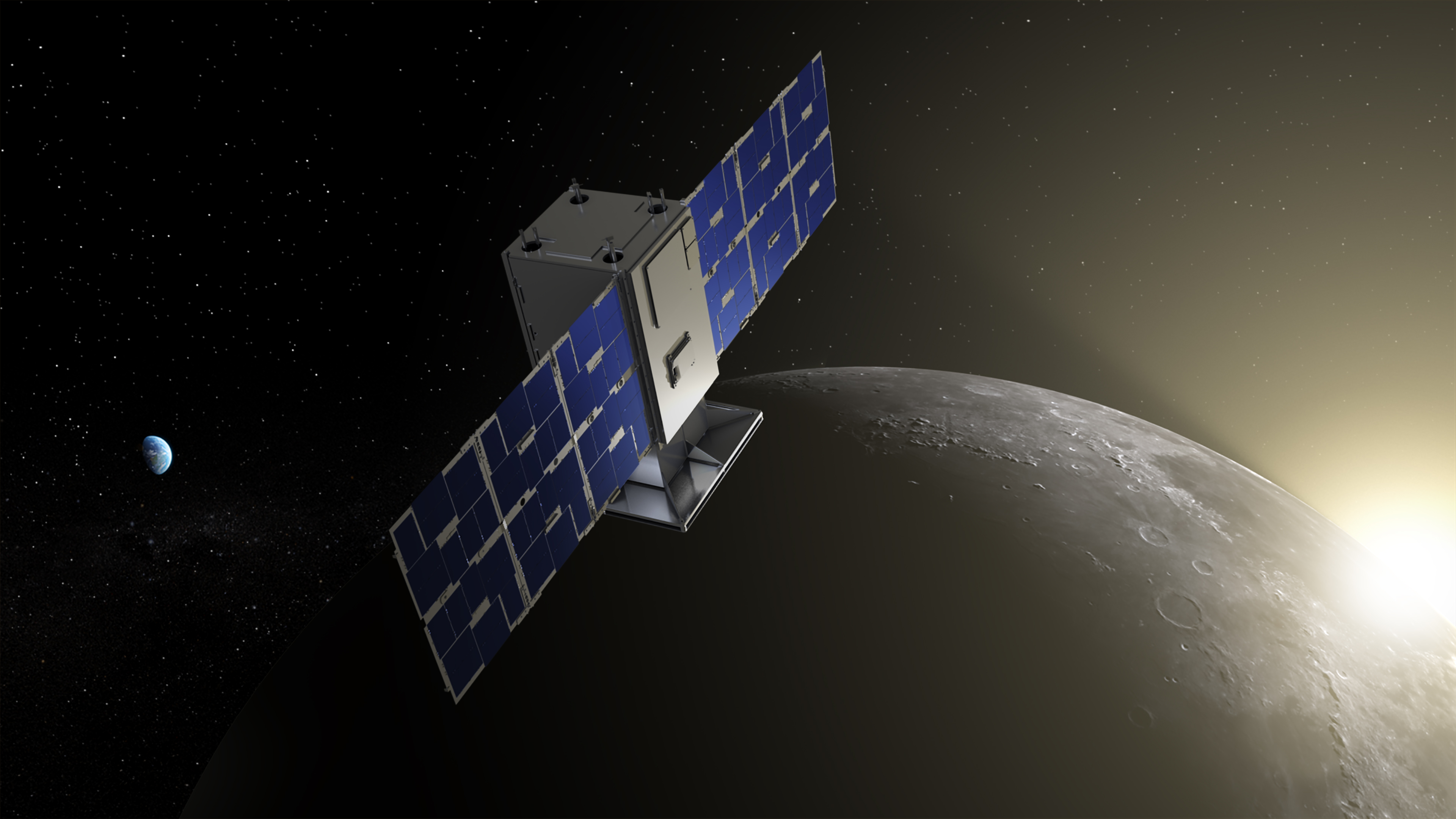
NASA's Cislunar Autonomous Positioning System Technology Operations and Navigation Experiment (CAPSTONE) will be the first spacecraft to fly a specific unique orbit around the Moon, called the Near Rectilinear Halo Orbit (NRHO), leading the way for the agency's Artemis missions.
NRHO is the same orbit intended to be used by Gateway, a multipurpose outpost for long-term lunar missions as part of the NASA's Artemis program.
This small microwave oven-size satellite will launch on Monday, June 27, aboard a Rocket Lab Electron rocket from the company's Launch Complex 1 in Mahia, New Zealand. Live coverage will air on NASA Television, the agency's website, and the NASA app.
CAPSTONE is commercially owned and operated by Advanced Space in Westminster, Colorado, on behalf of NASA.
What's special about this new path?
According to NASA and Rocket Lab, researchers expect this unique, halo-shaped orbit to be a gravitational sweet spot in space – where the pull of gravity from Earth and the Moon interact to allow for a nearly stable orbit – allowing physics to do most of the work of keeping a spacecraft in lunar orbit.
CAPSTONE is expected to orbit this area around the Moon for at least six months to test its dynamics, helping reduce risk for future spacecraft.
In addition, the mission will demonstrate innovative spacecraft-to-spacecraft navigation technology and one-way ranging capabilities that could help future spacecraft fly near the Moon with reduced need for communication with Earth.
What's so special about NRHO, the orbit we're launching CAPSTONE to? A near rectilinear halo orbit is the same orbit intended to be used by Gateway— @NASA's future outpost for Artemis astronauts heading to the Moon and beyond.https://t.co/8gnPQ172Kj
— Rocket Lab (@RocketLab) June 23, 2022
Update
NASA and its partners are standing down from the June 27 launch attempt for the CAPSTONE mission to the Moon to allow Rocket Lab to perform final systems checks, the agency said on Sunday.


 Google News