

Heads up, skywatchers! Perseid meteor shower is here: Where and how to watch?
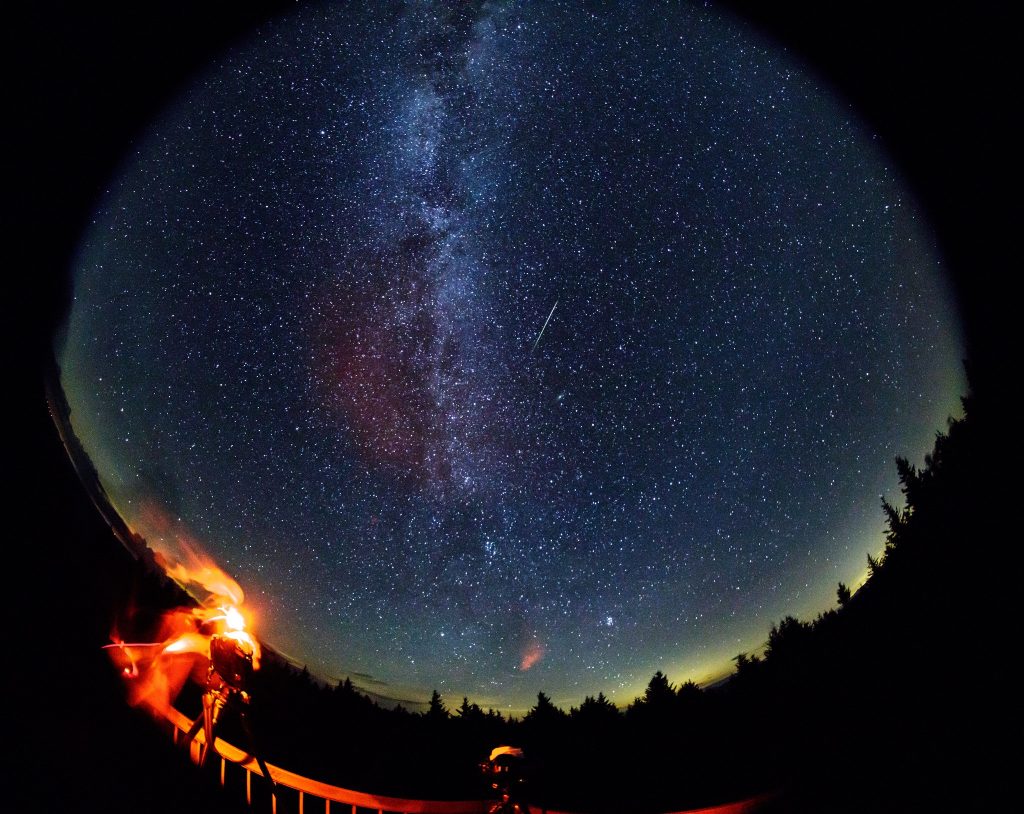
Hey, skywatchers! The Perseids, one of the biggest meteor showers of the year, is already here. The annual meteor shower began streaking across the skies in late July and will peak during mid-August (Aug. 11-13).
According to NASA, Perseids are fragments of the comet Swift-Tuttle, which orbits between the Sun and beyond the orbit of Pluto once every 133 years. Every year, the Earth passes near the path of the comet, and the debris left behind by the comet shows up as meteors in our night skies.
Perseids are known for being bright and fast, travelling 132,000 mph and frequently leaving long "wakes" of light and colour behind them as they streak through Earth's atmosphere. The Perseids are one of the most plentiful showers, with 50-100 meteors seen per hour, and occur with warm summer nighttime weather, making it easy for skywatchers to view them.
Perseids are also known for their fireballs - larger explosions of light and colour that can persist longer than an average meteor streak.
The Perseids can be seen all over the sky, but meteors from this shower are best viewed in the Northern Hemisphere during the pre-dawn hours. No special equipment is required to view the Perseids - just your eyes. To identify a Perseid, just see that the meteors radiate from the direction of the constellation Perseus.
More information about Perseids can be found here.


 Google News