

Gardens Are Now A Key Battleground In The Fight Against Ecological Destruction

Recently, there has been a flurry of scientific papers published arguing that gardens are a resource in tackling climate change and environmental degradation. And while that might seem like a desperate move (which it is), it also makes a lot of sense. Regular people have a far greater degree of control over their own backyards than they do international public policy.
Gardeners also tend to be a naturally environmentally-conscious group. These green-fingered individuals have an innate love of nature and are often willing to go above and beyond if it means protecting the environment for future generations.
Gardeners also have a headstart when it comes to looking after the planet. Many are already investing in systems that, on a small scale, reduce the impact of their lifestyles.
They also feel the effects of ecological destruction most keenly, with problems emerging already as the Earth goes through this transition phase. Higher than average temperatures are wracking most of the northern hemisphere, causing plants to bloom earlier and making the growing season less predictable. In many cases, even warm-weather plants, such as tomatoes, are struggling to adapt to abnormal conditions, leading to lower yields.
Climate shifts are also causing a change in the type of plants and weeds that grow in gardens. Gardeners are experiencing an explosion in unusual pests that are causing further damage to finely-tuned local ecosystems, changing the nature of the landscape entirely.
Then there are problems with growing plants that were once native, but can no longer survive in the warmer, wetting conditions. Certain evergreen and flower species are migrating north and will no longer grow in their traditional range.
How Modern Gardeners Are Battling The Ecological Disaster
Aware of these issues, gardeners are picking up their watering cans and trowels and looking for ways to fight back. In doing so, they have come up with a vast array of strategies, from the very small to the large, to help maintain planetary health for the future.
Here are some examples of what they have been up to:
Getting Their Yards Certified As Wildlife Habitats
Gardens often cater to more diverse ecosystems than wild woodland or prairies because of the sheer number of species crammed into a small area. Because of this, many gardeners are getting their gardens certified as wildlife habitats by local environmental bodies or national organizations. These certifications don't do much by themselves, but proponents claim that it helps neighbors do the same, creating a natural network that helps to support the ecosystem in the local area.
Planting More Trees
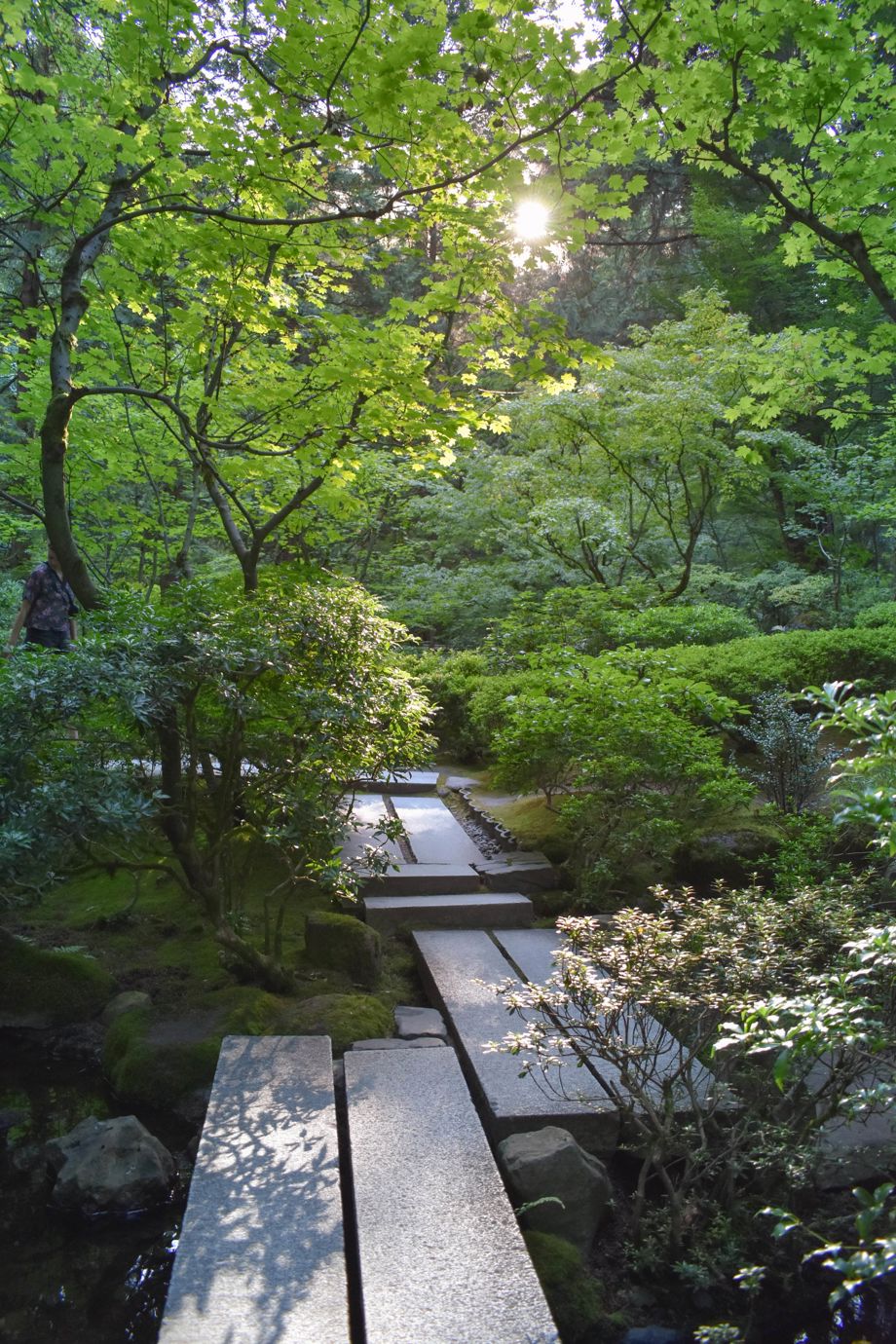
Image Credit: Unsplash
Gardeners are also attempting to increase the biomass in their gardens to sequester CO2 from the atmosphere. Gardens can become carbon sinks if growing trees absorb carbon dioxide from the atmosphere and incorporate it into their own tissues. Estimates suggest that if everyone in the country planted one more tree in their garden, it could absorb an additional 2 million tonnes of CO2 from the atmosphere every year.
Composting Kitchen And Garden Waste
While composting leads to the breakdown of natural products and emits CO2, it is a great strategy for maintaining natural ecosystems. Compost returns valuable minerals and nutrients to the ground, improving the quality of the soil. Gardeners are using it to improve the health of their gardens and avoid relying on bought, industrially-produced soil from third parties.
Solar-Powered Garden Features
Gardeners are also trying to eliminate their reliance on mains electricity via investments in solar-powered garden features. They're using eco-conscious companies, like Glowgrounds, instead of those that require a mains connection. Features collect solar energy during the day using solar panels, and then use it to power garden features, either concurrently during the day (such as a garden fountain) or at night, such as a lighting setup.
Reducing Water Consumption
Delivery water to homes to hydrate gardens is a CO2-intensive activity that also puts strains on local freshwater stores, particularly during heat waves. Therefore, gardeners are investing in strategies that reduce their water requirements, including rain barrels, smart watering schedules, and mulching to reduce evaporation and keep moisture in the soil.
Many are also seeking to irrigate their land naturally using water stored during rainy seasons.
Reducing The Threat Of Invasive Species
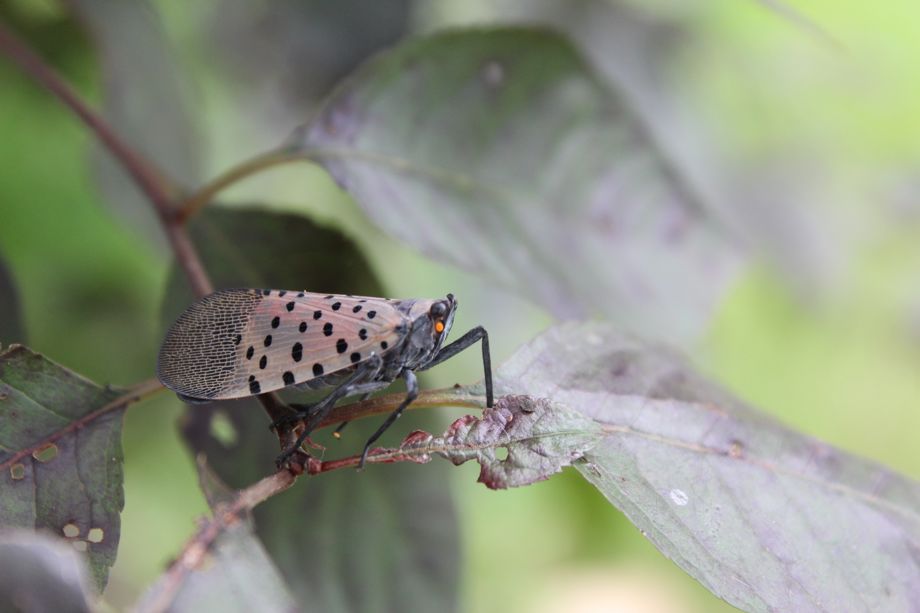
Image Credit: Unsplash
Invasive species can seriously disrupt delicate ecosystems and change the character of entire areas. Imported garden plants can outcompete native species, leading to a decline in numbers. Gray squirrels are a good example, though there are many others.
Because gardeners have more control over their plots of land, they are rigging their environments to favor native species over imported ones. This way, they are providing a kind of sanctuary that has been lost elsewhere.
The ramifications for the ecosystem as a whole are tremendous. Native plants, for instance, help to maintain pollinator connections and ensure wildlife food security. They also provide superior habitats for local wildlife, enhancing their survival versus nonnative pests.
Eco-friendly Yard Tools
Gardeners are also seeking to use more electric or manual garden tools instead of gasoline-powered leaf blowers and lawn mowers. Eco-friendly versions of these tools reduce noise pollution, cut CO2 and avoid the emission of particulates into the air. To put this into perspective, the average gas lawn mower generates around ten times the pollution of the average car.
To accommodate this, many gardeners are reducing the area of their plots that requires continuous care. They are handing more of it back to nature to make their garden maintenance schedules more manageable.
Boosting Energy Efficiency
Lastly, gardeners are looking for ways to boost energy efficiency in their gardens. They are installing LED lights, automatic light timers, and using solar-powered garden products. While these changes are small individually, they add up to significant collective changes. Gardeners can beautify their gardens and maintain their character while leveraging advanced technologies.
Ultimately, gardeners will need to solicit elected officials to make changes in policy to have a larger impact. However, a gardener-led movement could have a substantial impact. It may help to blunt the worst of the coming ecological crisis.
(Devdiscourse's journalists were not involved in the production of this article. The facts and opinions appearing in the article do not reflect the views of Devdiscourse and Devdiscourse does not claim any responsibility for the same.)


 Google News