

Scientists find unexpected patterns in Jupiter's temperatures
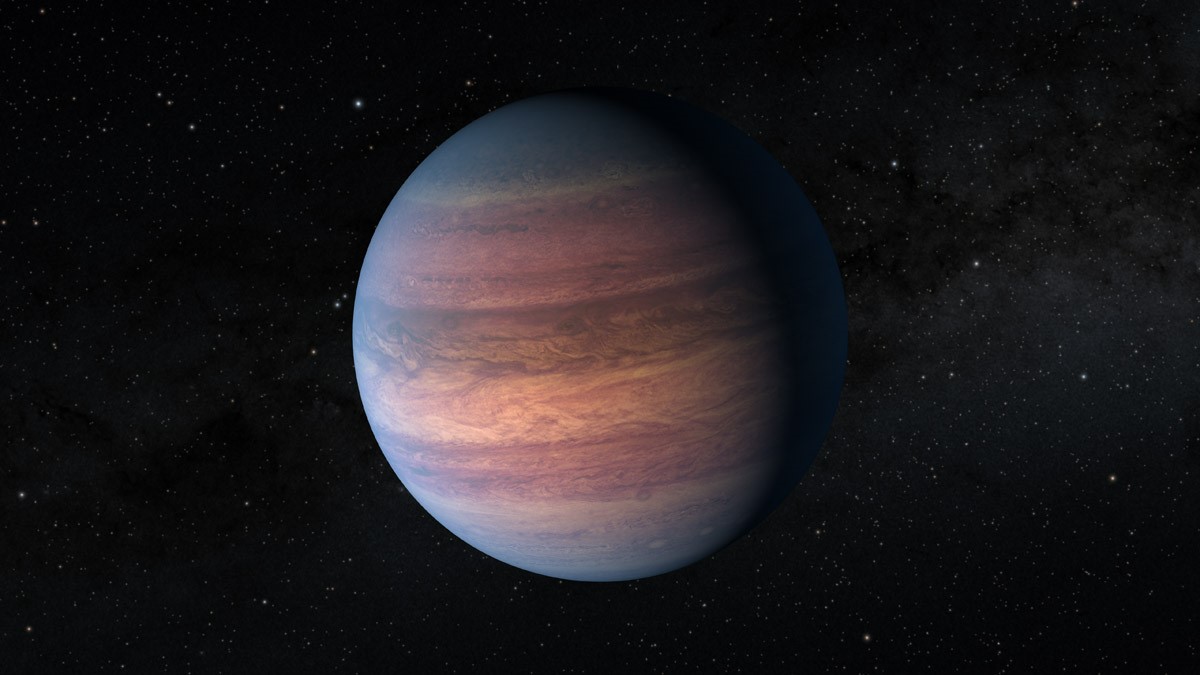
After over four decades of observations, scientists have discovered mysterious patterns in how temperatures at Jupiter change over time. The longest-ever study, which began in 1978, tracked temperatures in the planet's upper troposphere - the layer of the atmosphere where the massive gas giant's weather occurs and where its signature colorful striped clouds form.
"That was the most surprising of all. We found a connection between how the temperatures varied at very distant latitudes. It's similar to a phenomenon we see on Earth, where weather and climate patterns in one region can have a noticeable influence on weather elsewhere, with the patterns of variability seemingly 'teleconnected' across vast distances through the atmosphere," said Glenn Orton, senior research scientist at NASA's Jet Propulsion Laboratory and lead author of the study.
Orton and his colleagues studied images of the bright infrared glow (invisible to the human eye) that rises from warmer regions of the atmosphere, directly measuring Jupiter's temperatures above the colorful clouds. These images were collected at regular intervals over three of the gas giant's orbits around the Sun, each of which lasts 12 Earth years.
The researchers found that Jupiter's temperatures rise and fall following definite periods that aren't tied to the seasons or any other cycles scientists know about. Because the massive planet has weak seasons - it is tilted on its axis only 3 degrees, compared to Earth's jaunty 23.5 degrees - scientists didn't expect to find temperatures on Jupiter varying in such regular cycles.
The study also revealed a mysterious connection between temperature shifts in regions thousands of miles apart - As temperatures went up at specific latitudes in the northern hemisphere, they went down at the same latitudes in the southern hemisphere - like a mirror image across the equator.
Now that the researchers have a more detailed understanding of Jupiter's weather, they hope the study will help them eventually be able to predict the weather on the planet.
Scientists have completed a 40-year study tracking temperatures in Jupiter's upper troposphere by stitching together data from @NASA spacecraft and ground-based telescopes. This will allow us to one day forecast weather on the planet! https://t.co/r9Ag68P420 pic.twitter.com/QR7IKkl7gx
— NASA JPL (@NASAJPL) December 19, 2022


 Google News