

Science News Roundup: Soviet-era moon fragments, origins of chocolate
Wealthy space buffs will have the chance to own three small particles of lunar matter when what Sotheby's describes as the only known documented "moon rocks" to be legally available for private ownership hit the auction block in November.
Soviet-era moon fragments could reach $1 million at N.Y. auction
Wealthy space buffs will have the chance to own three small particles of lunar matter when what Sotheby's describes as the only known documented "moon rocks" to be legally available for private ownership hit the auction block in November. Sotheby's said on Tuesday it expects the fragments, retrieved from the moon by a Soviet space mission in 1970, could fetch between $700,000 to $1 million at the Nov. 29 auction in New York.
Ecuadorean discovery pushes back the origins of chocolate
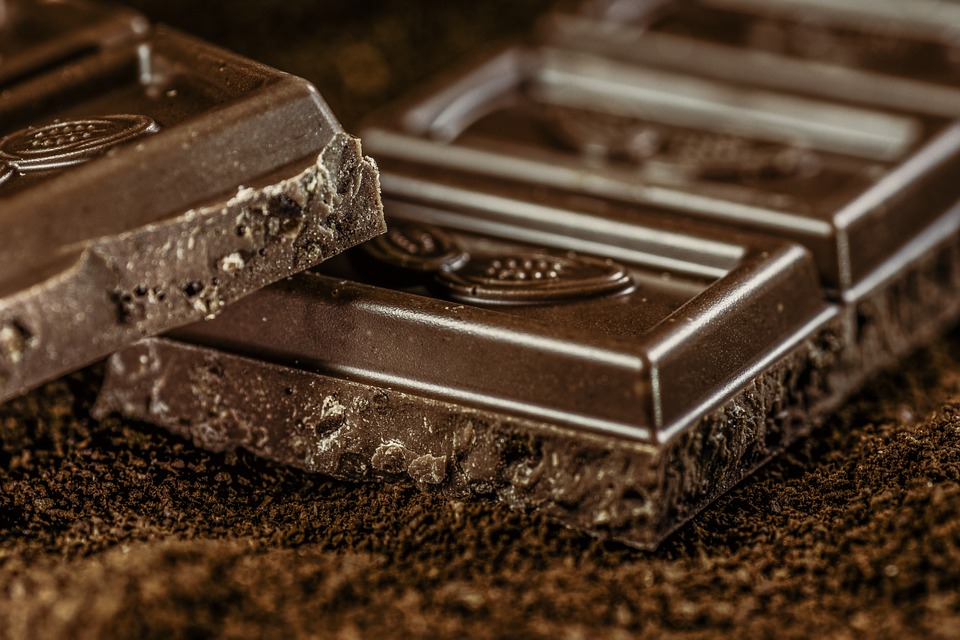
People have been enjoying chocolate far longer than previously known, according to research published on Monday detailing the domestication and use of cacao beginning 5,300 years ago at an ancient settlement in the highlands of southeastern Ecuador. Scientists examined ceramic artefacts at the Santa Ana-La Florida archaeological site, a remarkably preserved village and ceremonial centre that was part of the Mayo-Chinchipe culture of the Andes, and found abundant evidence of the use of cacao, from which chocolate is made.
(With inputs from Reuters)


 Google News