

NASA begins assembling first water-hunting robotic Moon rover
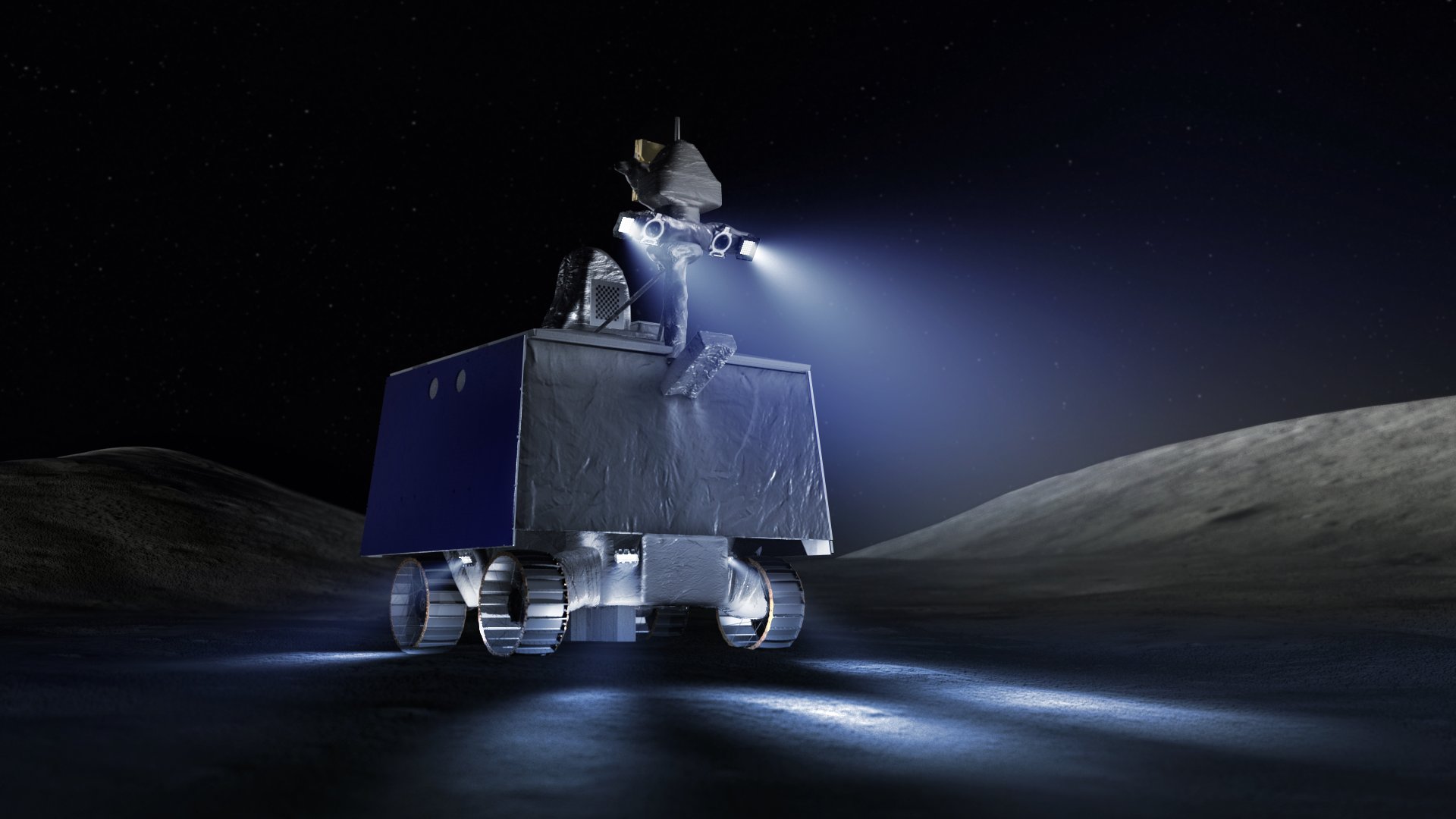
As part of the effort to establish a sustainable human presence on the lunar surface, NASA is developing a series of missions to explore and conduct science on the Moon. One of these missions is VIPER, short for the Volatiles Investigating Polar Exploration Rover, the agency'S first robotic lunar rover which will search for water on the Moon.
Engineers have already started assembling the 1,000-pound rover at NASA's Johnson Space Center in Houston. Once the integration is complete, the team will put the full-fledged rover through a series of stressful function, performance, and operational tests, followed by vibration, acoustic and thermal-vacuum environmental tests, which will ensure that the rover is ready for the mission to the Moon.
"We've just completed the first few steps integrating rover components that will one day be on the surface of the Moon. Hardware is coming in from all over the world, including some manufactured at several NASA centers – it's really 'go' time," said David Petri, system integration and test lead for the Volatiles Investigating Polar Exploration Rover (VIPER).
In parallel, software engineers at NASA's Ames Research Center in California continue to develop and test the brains of the rover, before they are integrated with the rover hardware.
NASA is targeting late-2024 to launch VIPER to the South Pole of the Moon. Pittsburgh-based Astrobotic will deliver the robotic rover to the lunar surface aboard its Griffin lander as part of NASA's Commercial Lunar Payload Services (CLPS) initiative.
During its 100-day mission, VIPER will closely examine the location and concentration of water ice that could one day be harvested to sustain human exploration on the Moon and beyond.
🛠️ @NASA's first robotic lunar rover is officially coming together!Teams have begun assembling the Volatiles Investigating Polar Exploration Rover (VIPER) at @NASA_Johnson which is set to launch to the Moon's South Pole in late 2024.LEARN MORE: https://t.co/ChfRb3VK5g pic.twitter.com/DXt8L1lGpJ
— NASA_SLS (@NASA_SLS) March 16, 2023


 Google News