

June skywatching: Planets of war and love draw nearer, bright summer stars rise and more
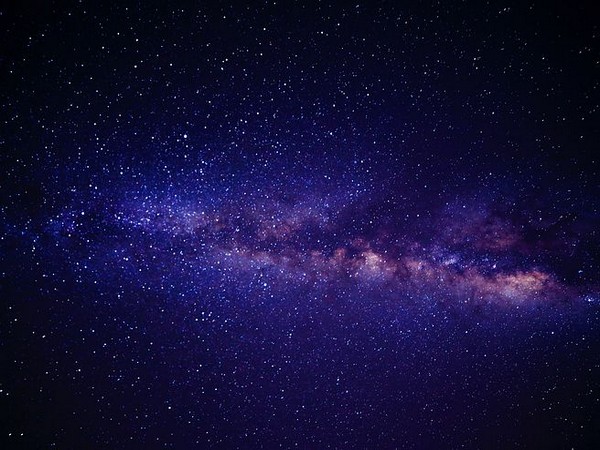
June's night sky presents a celestial spectacle for stargazers and astronomy enthusiasts. Throughout this month, there are several notable celestial events and highlights to observe, including planetary pairings, the solstice, and the emergence of prominent stars.
Here's what's up for June:
On June 1 and 2, look to the western sky after sunset, and you'll find the Red Planet Mars nestled within the Beehive Cluster, also known as Praesepe or M44. This well-known open star cluster lies around 600 light-years away in the constellation Cancer, the crab. With the aid of binoculars or a small telescope, you can witness the stunning sight of Mars against a backdrop of shimmering stars within this open cluster.
As the month progresses, the planets Mars and Venus draw closer to each other each evening in the western sky after sunset. This enchanting planetary duo gradually descends lower in the sky as the days pass. On June 21, look to the western horizon after sunset to witness the graceful crescent moon accompanied by the bright planets Venus and Mars, forming a celestial trio that captivates the eye.
Next up, June 21 marks the Summer Solstice for the Northern Hemisphere, and Winter Solstice in the Southern Hemisphere. In the North, it signifies the longest day of the year, as the sun reaches its highest point in the sky, casting long shadows and bathing the world in extended daylight. In contrast, the Southern Hemisphere experiences the shortest day of the year, ushering in the cooler months of winter.
Throughout this month, night owls will be treated to the sight of Saturn rising around midnight, followed by Jupiter a couple of hours later. Witness these gas giants as they grace the night sky, offering a glimpse into the vastness of our solar system.
Facing southward early on June evenings, you'll be greeted by two stars, Spica and Arcturus, shining brightly overhead in the first few hours after darkness falls for Northern Hemisphere skywatchers. In the Southern Hemisphere, observers will be delighted by the prominent stars Alpha Centauri and Hadar, as well as the captivating constellation Crux in the southern-facing view.
Additionally, the Summer Triangle stars consisting of Vega, Deneb, and Altair will rise in the east during the initial hours after sunset, ascending earlier each month throughout the summer.
What's up, June stargazers!This month, Mars and Venus – the planets of war and love – draw nearer each night as the bright stars of summer rise in the Northern Hemisphere. And remember, the June solstice is on the 21st! ✨ More skywatching tips: https://t.co/wxlHrQhG7f pic.twitter.com/PMw0u1syHn
— NASA JPL (@NASAJPL) June 1, 2023


 Google News