

ESA's upcoming Ariel mission to study chemical makeup of hundreds of exoplanets
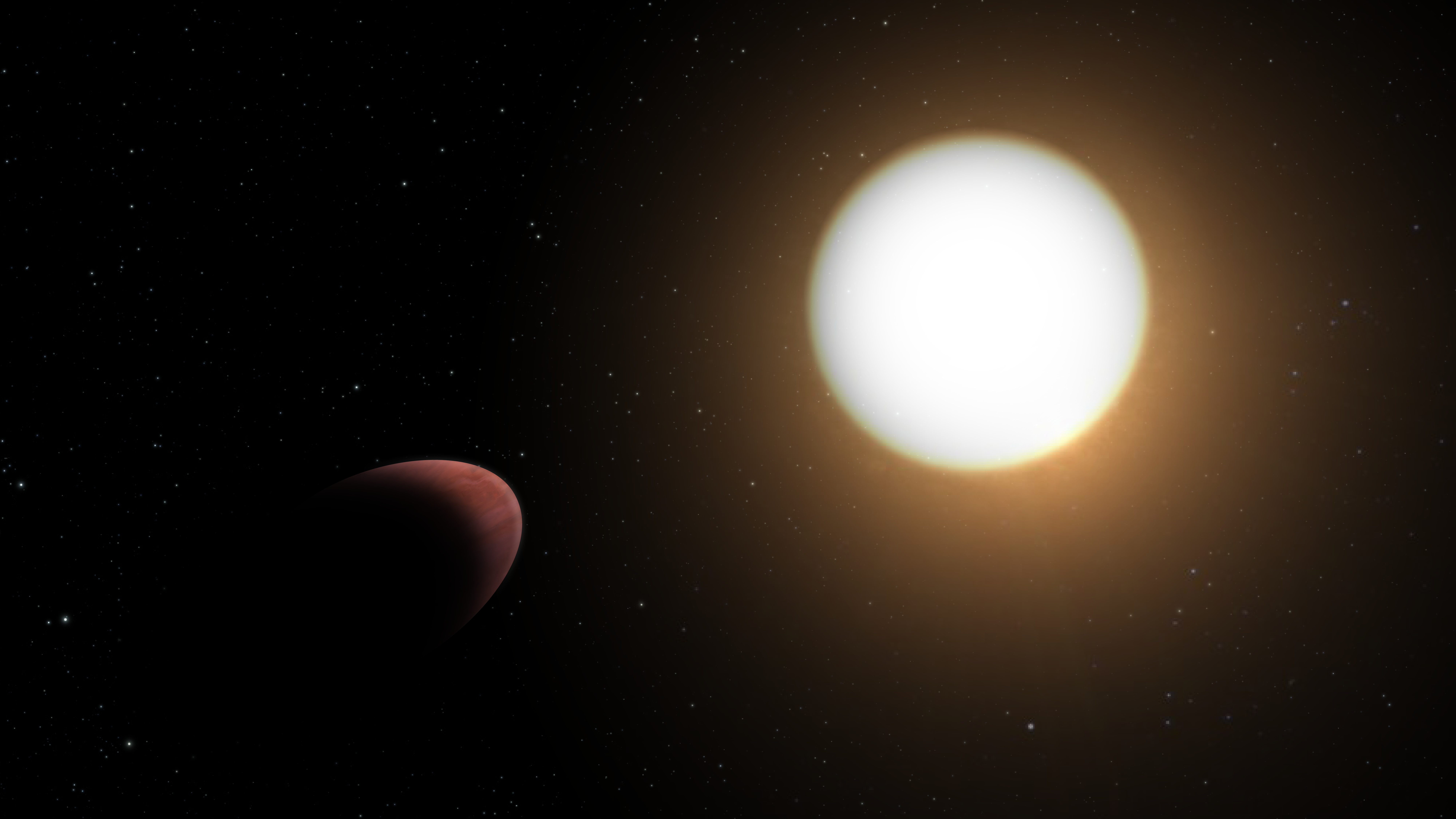
The European Space Agency's Ariel (Atmospheric Remote-sensing Infrared Exoplanet Large-survey) will be the first mission dedicated to measuring the chemical makeup of hundreds of exoplanets - planets beyond our solar system - by analysing their atmospheres. The mission, currently under development, is planned to launch in 2029 on an Ariane 62, together with the agency's Comet Interceptor mission.
Ariel will observe about 1,000 exoplanets, ranging from rocky planets to gas giants, to detect signs of well-known ingredients in their atmospheres, including water vapour, carbon dioxide and methane. The mission will also study the clouds and monitor variations in the atmospheres of a few of them on both daily and seasonal timescales.
Scientists believe that observation of these diverse worlds will provide insights into the early stages of the formation of planets and their atmospheres, and their evolution over time. This will not only enhance our understanding of our own Solar System but will also lay the groundwork for future searches for life elsewhere in the Universe.
Additionally, Ariel will also monitor the activity of their host stars to find out how they shape conditions on the planets. By studying the relationship between exoplanets and their host stars, the mission is expected to fill a big gap in our knowledge of how the type of host star drives the physics and chemistry of the planet's evolution.
🪐 We found many #exoplanets to date, but we're still missing pieces of the puzzle.🧩 One of them is the link between the characteristics of an exoplanet & those of its star.🦾 The @ESAArielMission will step in to tell us more about this interplay 👉 https://t.co/AbIOdX1bP0 pic.twitter.com/63xj8H1fKu
— ESA Science (@esascience) September 9, 2023
Ariel will complement several other exoplanet missions. It will follow ESA's Cheops, which launched in 2019, and Plato, scheduled for launch in 2026.


 Google News