

Science News Roundup: Europe targets competitive shake-up in space launch deal; Scientists detect oxygen in noxious atmosphere of Venus and more
The head of the European Space Agency (ESA) said the decision to foster competition had long-term implications for the industry, which is wrestling with a short-term gap in space access due to delays and technical setbacks with Ariane 6 and Vega-C rockets. Scientists detect oxygen in noxious atmosphere of Venus Oxygen accounts for about 21% of Earth's air, with the rest of our atmosphere primarily nitrogen.
Following is a summary of current science news briefs.
Europe targets competitive shake-up in space launch deal
Europe on Monday challenged the private sector to develop services for small rockets that could guide future space reform, while stabilising finances for troubled medium and heavyweight launchers for the coming decade. The head of the European Space Agency (ESA) said the decision to foster competition had long-term implications for the industry, which is wrestling with a short-term gap in space access due to delays and technical setbacks with Ariane 6 and Vega-C rockets.
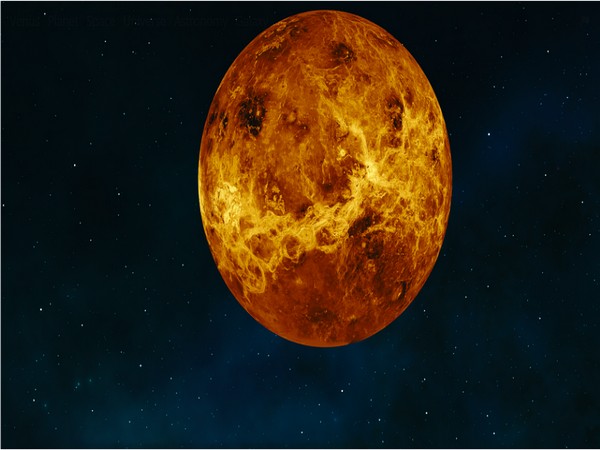
Scientists detect oxygen in noxious atmosphere of Venus
Oxygen accounts for about 21% of Earth's air, with the rest of our atmosphere primarily nitrogen. And most living things - including people, as we well know - need oxygen to survive. Earth's planetary neighbor Venus offers quite a different story. Its thick and noxious atmosphere is dominated by carbon dioxide - 96.5% - with lesser amounts of nitrogen and trace gases. Oxygen is nearly absent. In fact, with Venus getting far less scientific attention than other planets such as Mars, the direct detection of its oxygen has remained difficult.
EU fine-tunes plan to launch Galileo satellites on SpaceX
The European Union has struck a tentative deal to launch four Galileo navigation satellites using Falcon 9 rockets of U.S.-based SpaceX, European officials said on Tuesday, in the latest sign of pressure caused by a gap in European launch capacity. The agreement spans two launches pencilled in for April and July next year, carrying two satellites each, EU Internal Market Commissioner Thierry Breton told reporters in Seville, Spain, following EU ministerial talks on competitivity in space.
Star-filled Euclid images spur mission to probe 'dark universe'
European astronomers on Tuesday released the first images from the newly launched Euclid space telescope, designed to unlock the secrets of dark matter and dark energy - hidden forces thought to make up 95% of the universe. The European Space Agency, which leads the six-year mission with NASA as a partner, said the images were the sharpest of their kind, showcasing the telescope's ability to monitor billions of galaxies up to 10 billion light years away.


 Google News