

Green Metropolises: Pioneering Sustainable Waste Management in Urban Jungles
Sustainable waste management in urban areas is revolutionizing city landscapes, turning waste challenges into opportunities for environmental and community resilience. Through innovative solutions like decentralized composting, advanced recycling, and zero-waste initiatives, cities are paving the way towards sustainability.
 Devdiscourse News Desk
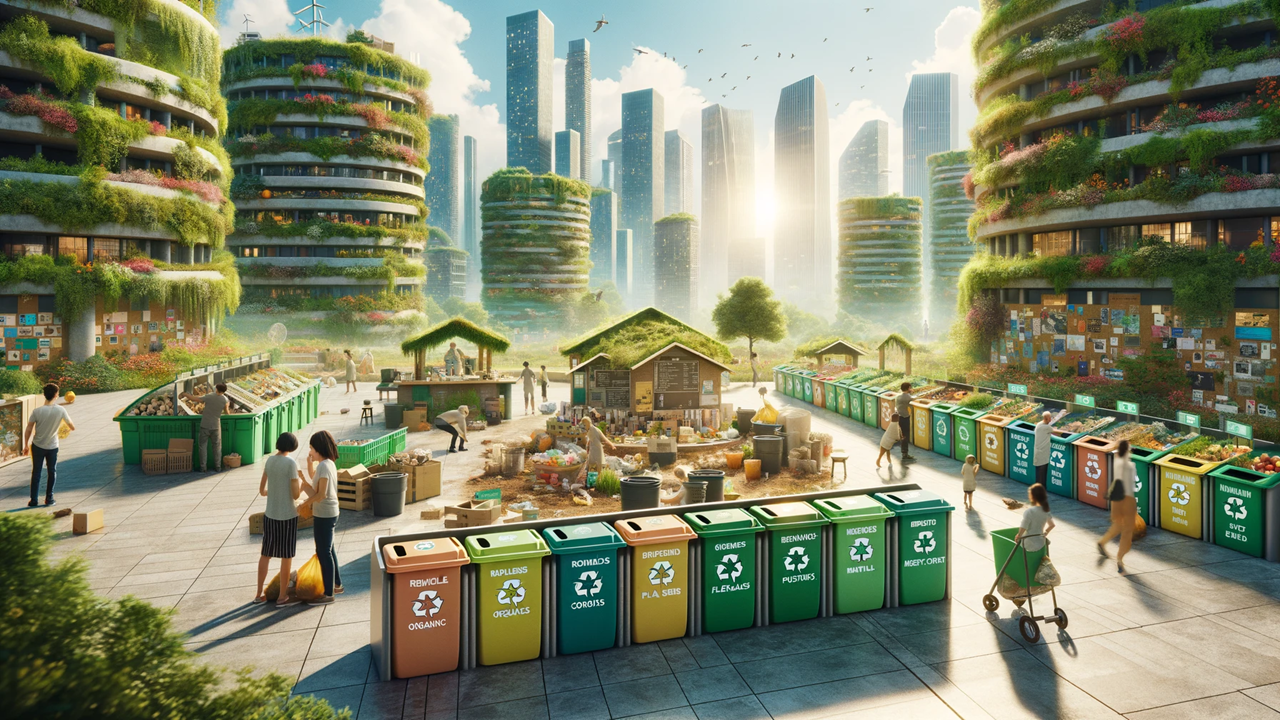
In the heart of our bustling urban landscapes, a revolution is quietly unfolding, one that promises to transform our cities from waste-generating giants into models of sustainability. The surge of urbanization, while a testament to human progress, has inadvertently escalated the waste management crisis, posing significant challenges to environmental health and urban livability. However, through the innovative lens of sustainable waste management, cities worldwide are now reimagining their relationship with waste, turning challenges into opportunities for environmental stewardship and community engagement.
The Urban Waste Conundrum
Urban areas, with their dense populations and high consumption rates, generate a staggering amount of waste. Traditional waste management practices, heavily reliant on landfilling and incineration, have not only strained land resources but have also contributed to pollution and greenhouse gas emissions. The urgency for sustainable waste management solutions has never been more pronounced, as cities grapple with the dual challenges of managing burgeoning waste volumes and mitigating environmental impacts.
Pioneering Sustainable Solutions
The essence of sustainable waste management lies in its holistic approach, emphasizing waste reduction, resource recovery, and the circular economy. By prioritizing the 3Rs—Reduce, Reuse, Recycle—cities are making strides toward minimizing waste at its source, extending product lifecycles, and recovering valuable materials. This paradigm shift is underscored by innovative strategies and technologies that promise to redefine urban waste management:
-
Decentralized Composting: Urban composting programs are turning organic waste, a significant component of municipal waste, into nutrient-rich compost, thereby reducing landfill dependency and revitalizing urban green spaces.
-
Advanced Recycling Technologies: Breakthroughs in recycling technologies, such as AI-powered sorting systems and chemical recycling, are enhancing the efficiency of material recovery, enabling the recycling of previously non-recyclable materials.
-
Waste-to-Energy (WtE) Solutions: By harnessing thermal and biological conversion processes, WtE plants are transforming waste into electricity, heat, and biofuels, contributing to energy recovery and reducing fossil fuel dependence.
-
Zero-Waste Initiatives: Urban areas are adopting zero-waste goals, fostering a culture of sustainability through policies that promote waste minimization, sustainable product design, and responsible consumption patterns.
Collaborative Efforts and Community Engagement
The transition to sustainable waste management necessitates a collaborative effort, involving governments, businesses, communities, and individuals. Urban policymakers are implementing regulatory frameworks and incentives to encourage waste reduction and recycling. Businesses are exploring sustainable packaging solutions and product stewardship programs to minimize waste. Meanwhile, community-led initiatives, such as repair workshops, swap meets, and educational campaigns, are fostering a collective consciousness towards waste reduction and resource conservation.
The Road Ahead: Challenges and Opportunities
Despite the promising strides, the journey towards sustainable waste management in urban areas is fraught with challenges. Infrastructure constraints, financial limitations, and behavioral barriers can impede progress. However, these challenges also present opportunities for innovation, policy reform, and public-private partnerships. As cities continue to evolve, so too will the solutions to the waste management crisis, driven by technological advancements, community resilience, and a steadfast commitment to sustainability.
In Summary
The implications of sustainable waste management in urban areas extend far beyond the confines of waste bins and landfills. It is about fostering resilient, livable cities where environmental stewardship and community well-being go hand in hand. As we look to the future, the vision of green metropolises, powered by sustainable waste management practices, offers a beacon of hope for a cleaner, healthier, and more sustainable world.


 Google News