

Tree Bark: Nature's Untapped Climate Champion
A global-scale study reveals that tree bark in forests absorbs methane, a potent greenhouse gas. This finding suggests trees offer more climate benefits than previously thought. Methane, while more potent than CO2, has a shorter atmospheric lifetime, meaning enhancing its removal can quickly mitigate climate change. This discovery highlights the critical role of forests in climate management.
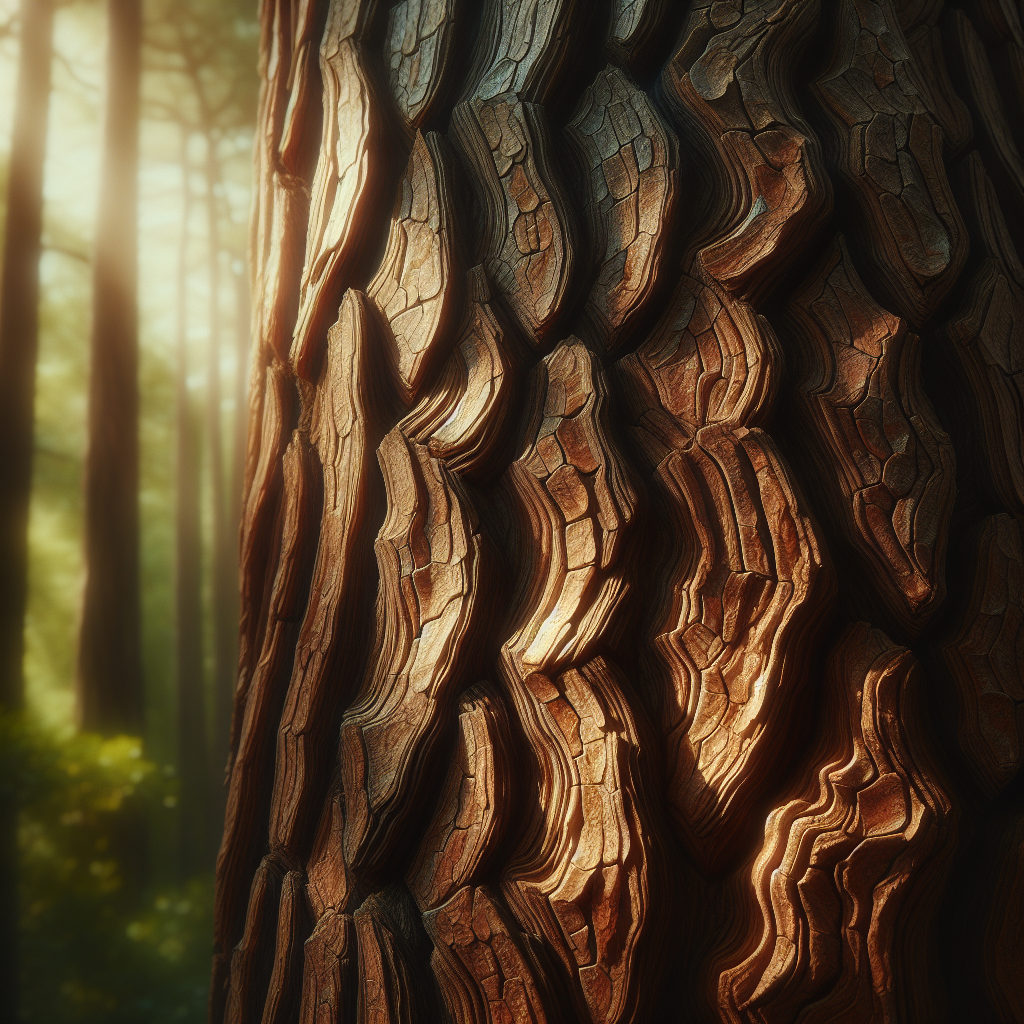
Tree bark in the world’s forests has been found to absorb methane, a potent greenhouse gas, for the first time on a global scale. This groundbreaking discovery comes from a team of ecologists and climate scientists, providing significant implications for climate change efforts.
While trees are known to absorb carbon dioxide through photosynthesis, the study shows that tree bark also plays a crucial role in capturing methane from the atmosphere. Methane has been a significant contributor to climate warming, and its rapid increase in the atmosphere has presented a considerable challenge for climate scientists.
The research, covering forests from the Amazon to Sweden, reveals that tree bark could be a vital natural process for removing atmospheric methane. This finding increases the value of forests in climate strategies and suggests new methods for enhancing methane uptake in forestry.
ALSO READ
-
Mozambique Shapes New Climate Strategy to Protect Communities From Extreme Weather
-
Climate Change Is Deepening the Crisis for Millions Living Without a Nationality Today
-
Tunisia’s Water Crisis Puts Jobs and Growth at Risk as Economic Recovery Loses Speed
-
Climate Data Gaps Leave Communities Searching for Clear Answers to Growing Local Risks
-
Marshall Islands Rights Defenders Seek Justice Across Generations, UN Expert Says


 Google News