

Humans and Nature: A Historical Dance of Biodiversity
Human activities have historically shaped global biodiversity, with significant impact since the Holocene era. Recent research indicates that human-driven changes often increased diversity as much as they reduced it. Fossil pollen studies reveal that human influence has been a key driver in vegetation changes, creating patchy landscapes that support varied plant life.
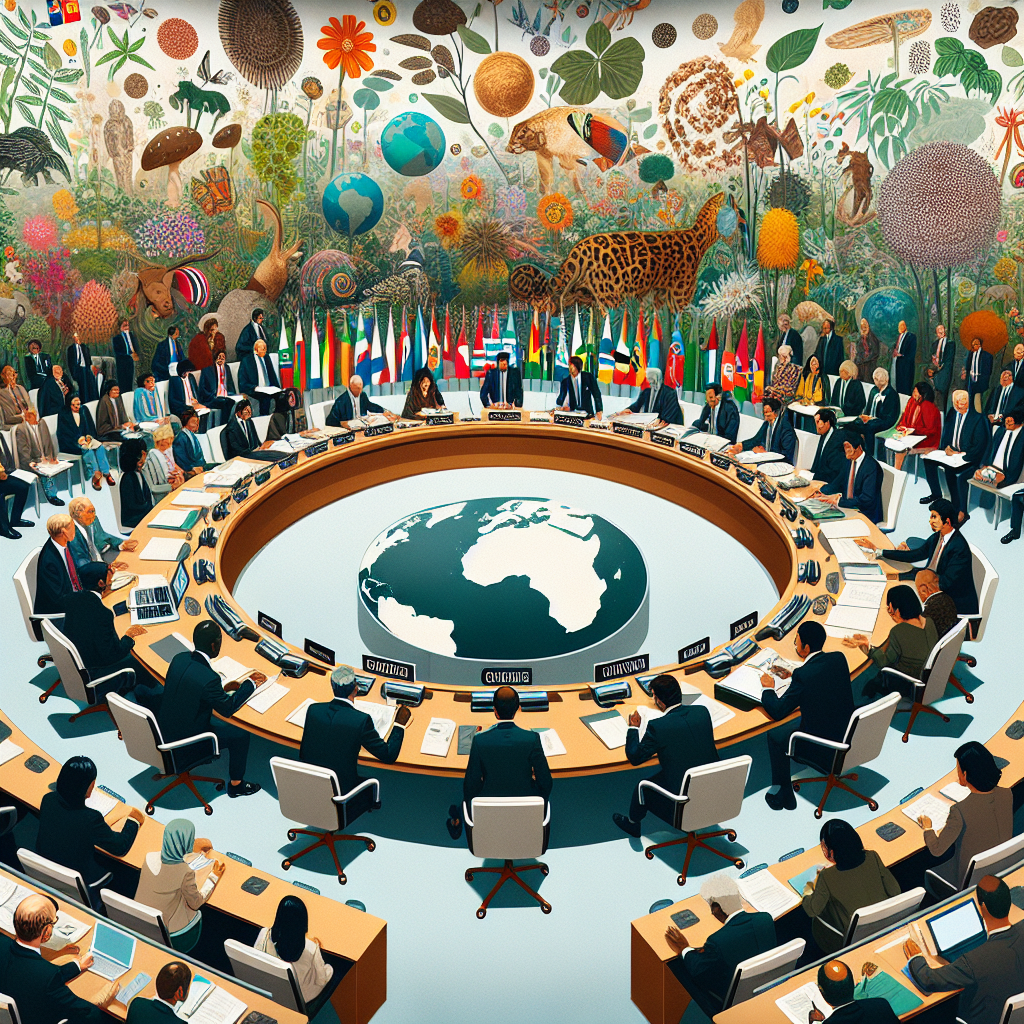
YORK, U.K., Jul 27 (The Conversation) – A detailed examination of Earth's biodiversity reveals a surprising twist: human activity has frequently increased plant diversity as much as it has reduced it. Since the advent of farming and urban settlements, our species has managed to carve a distinct niche in the natural world.
Our ancestors began altering landscapes long before the 1500s, with evidence of early humans affecting European biodiversity some 125,000 years ago. In fact, human intervention likely contributed to the extinction of megafauna over the past 100,000 years. The transition from foraging to farming around 12,000 years ago marked a significant turning point in the human-nature relationship.
Scientific analyses of fossil pollen suggest that plant diversity across the northern hemisphere increased with human activity during the Holocene, especially in newly forested areas post-ice age. However, the pattern differs in the southern hemisphere, where human land use and biodiversity shifts are closely linked. Thus, removing humans from landscapes might not always benefit biodiversity, and in some cases, our presence has been beneficial.


 Google News