

Spain's Fight Against Tiger Mosquitoes: A Battle to Curb Dengue
A Spanish lab is breeding and sterilizing tiger mosquitoes to combat dengue and other diseases, driven by climate change. Using an electron accelerator, around 45,000 sterile male mosquitoes are released weekly. This initiative aims to reduce the mosquito population as Europe faces increasing mosquito-borne diseases.
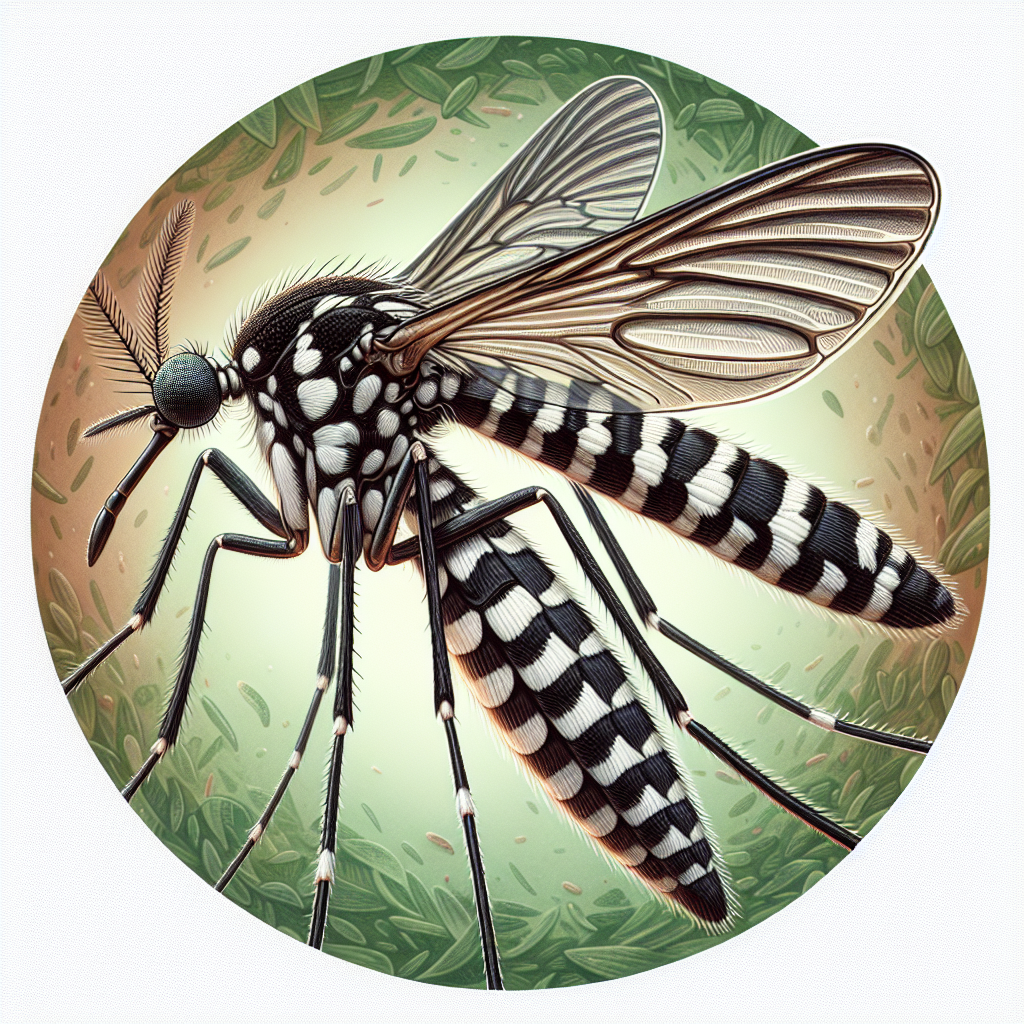
A Spanish laboratory is at the forefront of an innovative approach to combatting dengue fever and other mosquito-borne diseases, as climate change facilitates the spread of the invasive tiger mosquito across Europe.
Funded by the regional government, the Biological Pest Control Centre in Valencia uses an electron accelerator to sterilize about 45,000 male mosquitoes each week. These sterile males are released to mate with females, which transmit diseases to humans, thereby curbing overall mosquito populations. Vicente Dalmau from Valencia's health, agriculture, and fisheries department highlighted the growing prevalence of this species due to a favorable environment driven by climate change.
The center sources specimens locally, using advanced machinery to separate female from male pupae before sterilizing the males with radiation. This technique, previously applied to fruit flies, is now being adapted to tiger mosquitoes in Europe, addressing a rising threat from diseases like dengue, zika, and chikungunya.
Data from the European Centre for Disease Prevention and Control indicate an uptick in dengue cases and local outbreaks of diseases such as West Nile virus in Europe. The tiger mosquito, known scientifically as Aedes albopictus, is expanding its presence across the continent, now sustaining populations in 13 countries, including Spain.
The World Health Organization reported a troubling global rise in dengue cases, up eightfold since 2000, reaching 4.2 million in 2022, as warmer climates accelerate mosquito reproduction rates.


 Google News