

Plastic Credits: A New Hope in the Fight Against Global Pollution
The World Bank's report on plastic credits explores a new market mechanism that could help bridge the financing gap in combating global plastic pollution. The article outlines the potential benefits of plastic credits, such as increased funding for waste management, but also highlights the challenges, including the risk of greenwashing and the need for robust governance. Recommendations for strengthening the plastic credit market are discussed, emphasizing the need for these credits to complement, not replace, traditional waste management investments.
 CoE-EDP, VisionRI
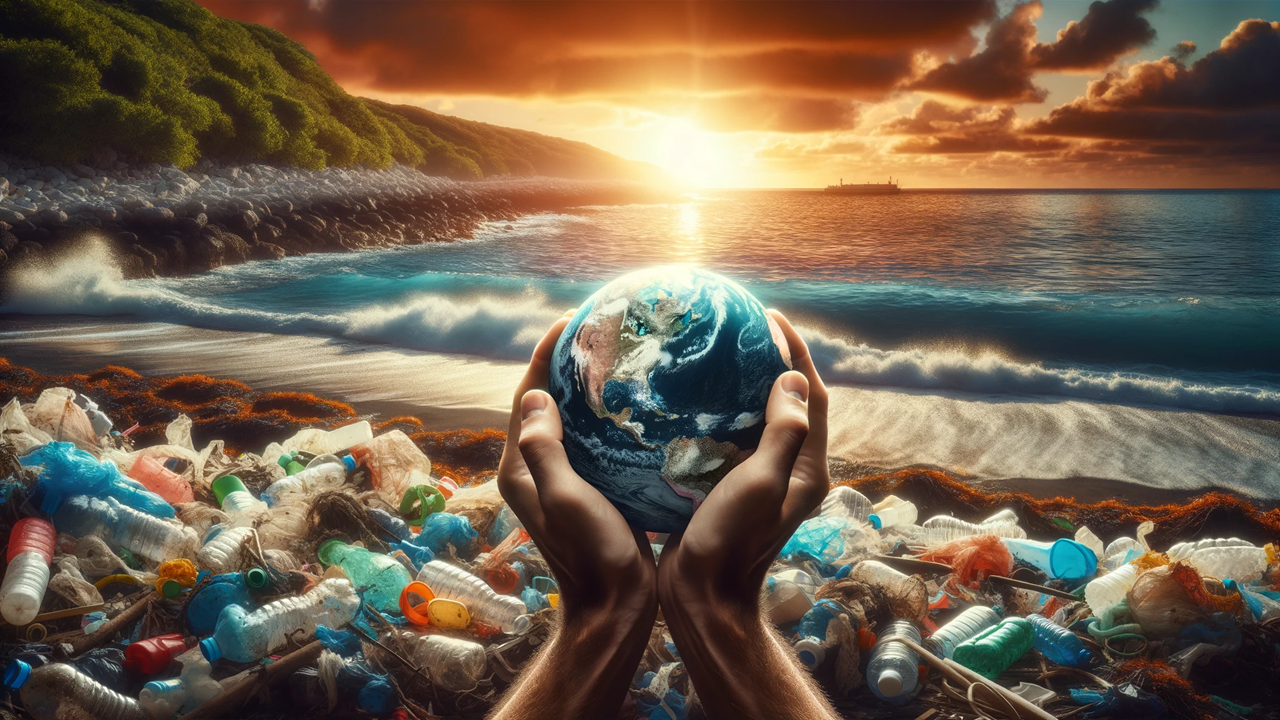
Global Plastic Pollution: A Mounting Crisis
Plastic pollution has become an undeniable global crisis. From the floating islands of trash in the Pacific Ocean to the microplastics found in the bellies of marine life, plastic waste's environmental, social, and economic impacts are staggering. Despite international efforts, the world remains far from achieving a sustainable, circular economy for plastics.
According to a recent report by the World Bank, titled "Unlocking Financing to Combat the Plastics Crisis - Opportunities, Risks, and Recommendations for Plastic Credits," the rapid increase in plastic production and consumption has vastly outpaced the capacity of current waste management systems. Only a mere nine percent of all plastic waste ever produced has been recycled. This has left the world grappling with a daunting challenge: how to close the significant financing gap needed to address this crisis.
A New Market: Plastic Credits
Enter plastic credits, a novel mechanism proposed by the report as a potential solution to this problem. Modeled after carbon credits, plastic credits offer a way for public and private sector entities to finance plastic waste collection, recycling, and reduction efforts. These credits, which can be bought, sold, and traded, represent a quantified reduction in plastic pollution, verified and certified by accredited programs.
The concept is straightforward. Companies or organizations can purchase plastic credits to offset their footprint or contribute to broader environmental goals. The funds generated through the sale of these credits are then channeled to projects that directly tackle plastic pollution, such as waste management initiatives in developing countries or innovations in recycling technologies.
However, the report emphasizes that while plastic credits have the potential to mobilize significant financial resources, they are not a silver bullet. The system must be carefully designed and governed to avoid pitfalls such as greenwashing, where companies might misuse credits to claim environmental responsibility without substantially reducing plastic use within their operations.
Challenges and Opportunities
Plastic credits present both significant opportunities and challenges. On the one hand, they could provide much-needed funding for plastic waste management projects, particularly in regions where traditional financing mechanisms have fallen short. This could drive innovation, improve transparency, and ensure that the environmental impacts of plastic pollution are adequately addressed.
On the other hand, the report identifies several risks. For example, the lack of standardized definitions and guidelines for plastic credits could lead to inconsistencies and confusion in the market. Additionally, without a robust governance framework, there is a risk that plastic credits could be misused or fail to deliver the intended environmental benefits.
To mitigate these risks, the report recommends the development of a centralized, independent governance body to oversee the plastic credit market. It also suggests establishing clear guidelines for crediting programs, including rigorous standards for measuring and verifying plastic pollution reduction. Furthermore, the report advocates for market development through mechanisms like pre-purchase facilities and pricing guidelines, which could help stabilize the market and ensure that prices for plastic credits reflect their true environmental value.
Looking Ahead: Recommendations for a Sustainable Future
The World Bank's report provides a roadmap for realizing the potential of plastic credits as a tool for combating the global plastics crisis. It emphasizes that plastic credits should not replace traditional waste management investments but rather complement them. The goal is to create a balanced approach that leverages the strengths of both market-based mechanisms and regulatory frameworks to achieve a truly circular economy for plastics.
Key recommendations include strengthening the governance system for plastic credits, addressing market dynamics, and exploring the integration of plastic credits into extended producer responsibility (EPR) schemes. Additionally, the report calls for technical assistance for early-stage projects and small businesses, particularly in developing countries, to ensure they can participate in and benefit from the plastic credit market.
In conclusion, while plastic credits offer a promising new avenue for financing the fight against plastic pollution, they must be implemented thoughtfully and carefully. With the right safeguards and governance structures in place, plastic credits could become a powerful tool in the global effort to protect our planet from the scourge of plastic waste.
- FIRST PUBLISHED IN:
- Devdiscourse


 Google News