

2024: The Hottest Year on Record - Global Warming Challenges Persist
The year 2024 has become the hottest year ever recorded, with global temperatures exceeding 1.5 degrees Celsius above pre-industrial levels. Scientists highlight the impact of carbon emissions and climate change on severe weather events worldwide, emphasizing the urgent need for effective environmental policies to combat these ongoing challenges.
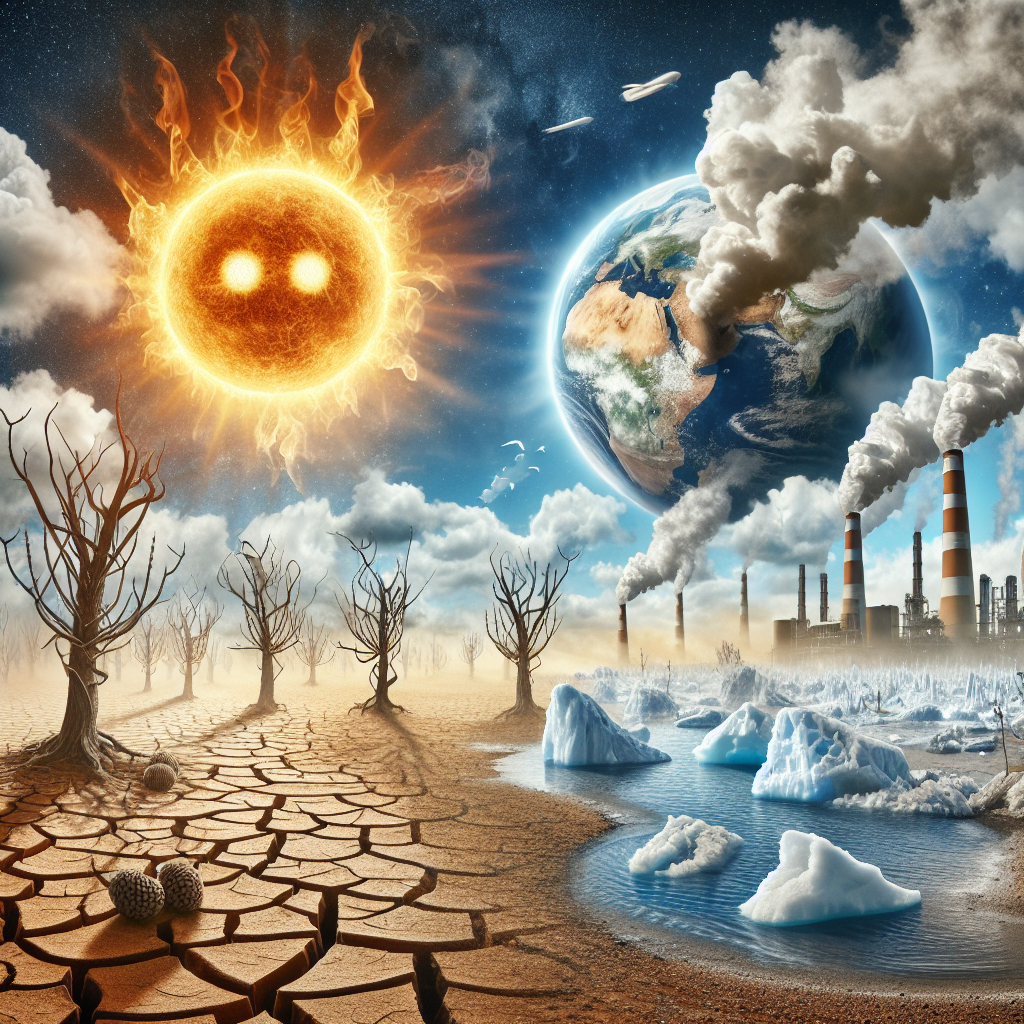
This year is set to be the warmest globally since records began, according to European Union scientists. Experts warn extraordinary temperatures will likely persist into early 2025, as confirmed by the EU's Copernicus Climate Change Service (C3S) two weeks after a U.N. climate agreement hit a snag amid cost concerns.
Data till November establishes 2024 as certain to break temperature records, marking the first global average exceeding 1.5 degrees Celsius over the pre-industrial period. The year 2023 was previously the hottest on record, but temperature extremes worldwide reflect a worsening trend.
Tragic weather events in 2024, including droughts, floods, and cyclones, substantiate the human role in climate change. Despite emissions pledges, CO2 levels remain high, jeopardizing climate goals as the planet warms further. Experts also speculate on La Nina's potential temporary cooling effect in 2025.
ALSO READ
-
Mozambique Shapes New Climate Strategy to Protect Communities From Extreme Weather
-
Climate Change Is Deepening the Crisis for Millions Living Without a Nationality Today
-
Tunisia’s Water Crisis Puts Jobs and Growth at Risk as Economic Recovery Loses Speed
-
Climate Data Gaps Leave Communities Searching for Clear Answers to Growing Local Risks
-
Can We Cut Carbon Without Leaving Workers Behind? Lessons From 79 Global Economies


 Google News