

Wildfire Smoke: More Than Just a Haze - Health and Environmental Impacts
The article discusses the significant health risks posed by wildfire smoke, which contains hazardous gases and particles. Studies link it to various ailments, including heart, lung, and neurological issues. Experts recommend limiting outdoor activities and using masks to mitigate risks, especially for vulnerable populations.
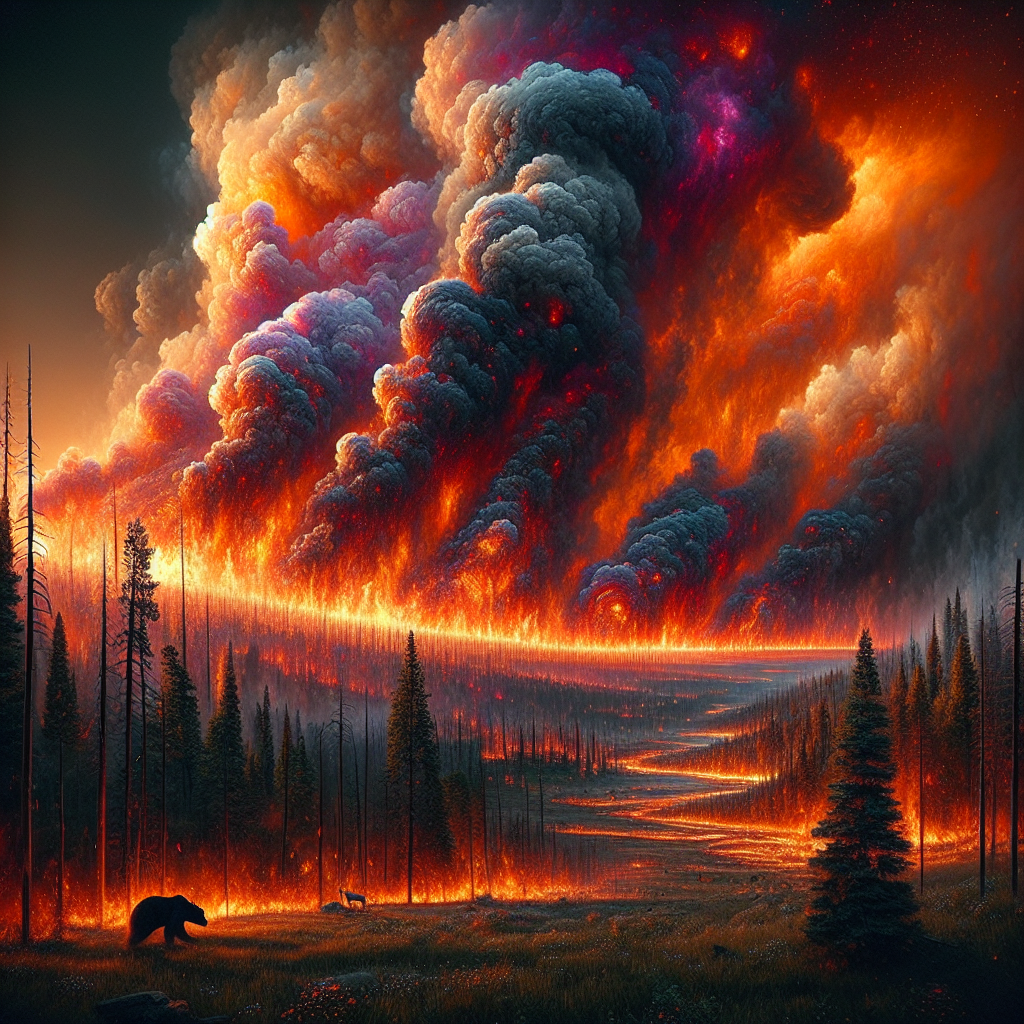
Massive wildfires have engulfed Los Angeles, creating a thick haze filled with smoke laden with harmful gases and particles, posing serious health risks.
Wildfire smoke, more hazardous than regular air pollution, can persist in the air for weeks and travel long distances, carrying soil, chemicals, metals, and synthetic materials. Research indicates it causes inflammation, increases heart and respiratory ailments, and is linked to neurological impacts.
Experts caution that as wildfires become frequent, thanks to climate change, the health implications of repeated exposure remain unknown. They advise vulnerable groups, such as the elderly and children, to stay indoors and use N95 masks to reduce exposure during severe smoke days.


 Google News