

IAEA Director General Strengthens Nuclear Safety and Environmental Remediation Efforts in Japan
During his visit, Mr. Grossi engaged with key political and business leaders, inspected nuclear facilities, and participated in environmental monitoring initiatives to further enhance cooperation between Japan and the IAEA.
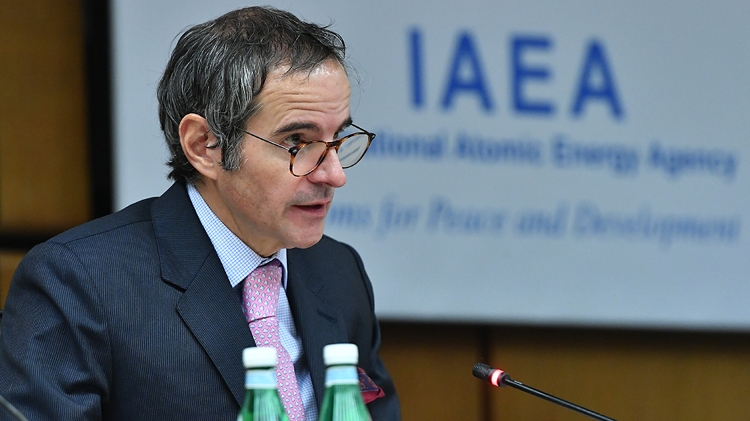
IAEA Director General Rafael Mariano Grossi has completed a significant visit to Japan, reinforcing nuclear safety and environmental remediation efforts as the country moves towards restarting its nuclear power plants following the Fukushima Daiichi accident.
During his visit, Mr. Grossi engaged with key political and business leaders, inspected nuclear facilities, and participated in environmental monitoring initiatives to further enhance cooperation between Japan and the IAEA.
Strengthening Nuclear Safety at Kashiwazaki Kariwa
A key highlight of the visit was Mr. Grossi's inspection of Japan's largest nuclear power plant, Kashiwazaki Kariwa. There, he reviewed major improvements in safety response measures, seismic and tsunami proofing, and secure access facilities. Accompanied by TEPCO President Tomoaki Kobayakawa and Site Vice President Takeyuki Inagaki—who was present at Fukushima Daiichi during the 2011 disaster—the Director General acknowledged the commitment to preventing future accidents.
"Needless to say, it was the most bitter experience in my life with many lessons learned that needed to be reflected," said Mr. Inagaki. "Now as Site Vice President of the Kashiwazaki Kariwa station, I am determined to never let such an accident happen again."
After viewing the improvements, Mr. Grossi expressed his satisfaction with the progress, stating that all IAEA recommendations had been "duly and correctly addressed."
Advancing Environmental Monitoring and Safety Standards
Mr. Grossi also took part in an ongoing IAEA marine radioactivity monitoring initiative near the Fukushima Daiichi nuclear power station. Alongside scientists from China, South Korea, and Switzerland, he participated in seawater sample collection efforts to ensure transparency and international oversight of the ALPS-treated water discharge. These samples will be analyzed at IAEA laboratories in Monaco, as well as national laboratories in Japan and participating countries, ensuring compliance with international safety standards.
"Through these efforts, third parties can independently verify that water discharge levels are, and will continue to be, in strict compliance and consistent with international safety standards," he stated.
In addition to marine monitoring, Japan's broader remediation efforts focus on soil removal and recycling, with IAEA experts providing guidance to ensure safe and effective decontamination strategies.
Strengthening Diplomatic and Industry Cooperation
During his trip, Mr. Grossi held meetings with key Japanese officials, including Prime Minister Shigeru Ishiba, Foreign Minister Takeshi Iwaya, Minister of Economy, Trade and Industry Yoji Muto, and Minister of Environment Keiichiro Asao. He reaffirmed Japan's strong cooperation with the IAEA in nuclear safety, non-proliferation, and global initiatives such as cancer care through the Rays of Hope program and food security.
A joint press conference with Foreign Minister Iwaya highlighted Japan's support for the IAEA's mission, including its involvement in nuclear safety and security in Ukraine.
Enhancing Collaboration with the Private Sector and Academia
The Director General also strengthened ties with Japan's private sector by signing a practical arrangement with the Sumitomo Corporation and addressing the Japanese business federation, Keidanren. He further expanded educational cooperation by signing agreements with Sophia University and engaging with students and faculty on the IAEA's global contributions.
Additionally, Mr. Grossi met with Japan Atomic Energy Agency President Masanori Koguchi, signing practical arrangements on cooperation in both nuclear power and non-power applications.
His visit underscored Japan's commitment to nuclear safety, environmental remediation, and international collaboration, marking another step forward in its post-Fukushima recovery efforts.
ALSO READ
-
Mexico Builds Nuclear Expertise to Keep Laguna Verde Running Safely for Longer
-
Inside Russia’s SMR School, Where Nuclear Experience Shapes Future Energy Decisions
-
14 Women Build Nuclear Expertise and Leadership Through IAEA Programme in Russia
-
Japanese Lawmakers Visit India to See Worker Protection and Skills Projects in Action
-
How Nuclear Science Can Keep Food Fresh and Cut Waste Costing Billions


 Google News