

Climate Shifts: Unraveling La Nina's Diminishing Impact
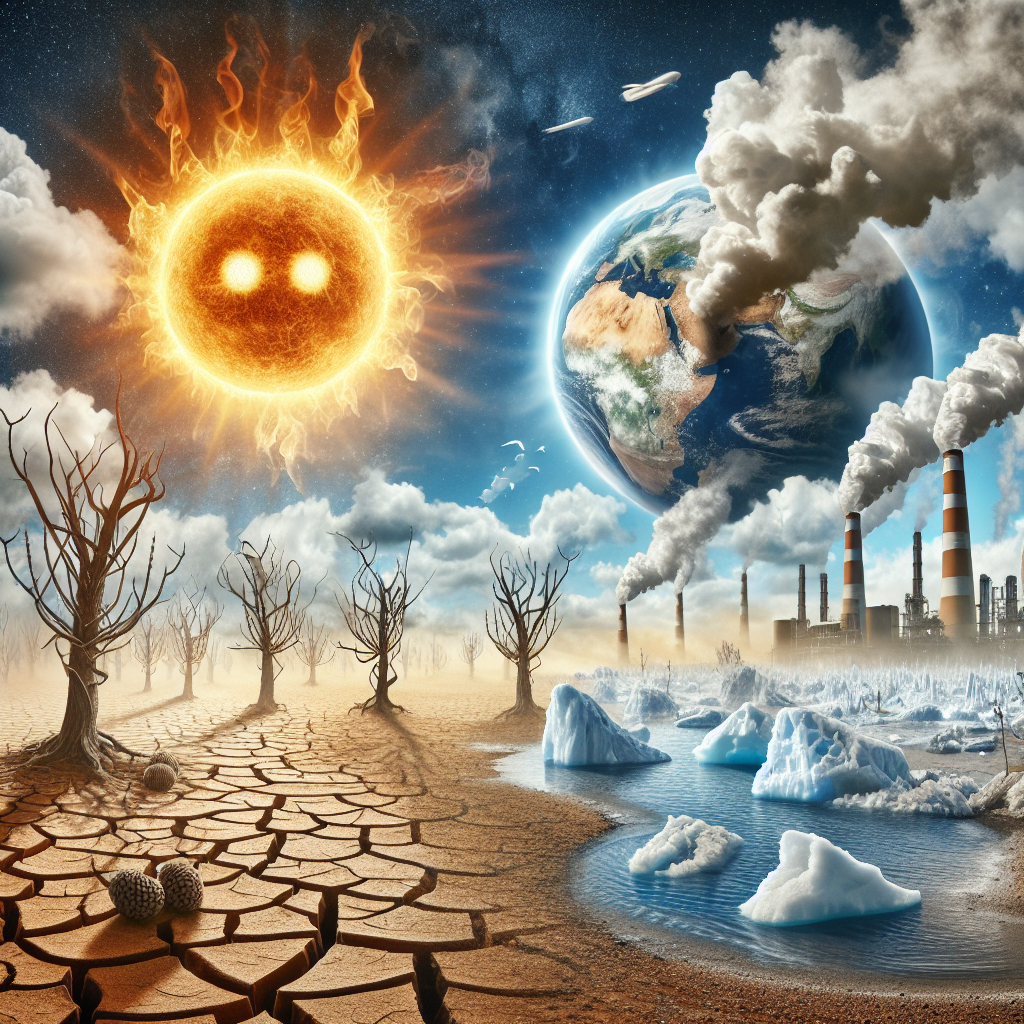
Climate change is intensifying, potentially overpowering La Nina's cooling effects, as the India Meteorological Department notes early, extreme heatwaves. Record warmth in February, reduced rainfall, and shifting jet streams indicate climate variability. El Nino and La Nina may increasingly influence global weather, with climate change exacerbating extreme temperatures.
- Country:
- India
Climate change's impact is intensifying and could potentially overshadow La Nina's typical cooling effects, according to climate scientists. This comes as the India Meteorological Department (IMD) forecasts early, extreme heatwaves with above-normal temperatures and reduced rainfall.
India recorded its hottest February since 1901, with heat trends suggesting a new normal of warmer winters and shorter springs. Jet streams, which play a vital role in weather patterns, are shifting and contributing to prolonged heatwaves.
Global phenomena like El Nino and La Nina continue to influence weather, though climate change could exacerbate their effects. The World Meteorological Organization warns that while La Nina's current phase is weak, future El Nino events might be more extreme, potentially increasing the frequency of heatwaves.
ALSO READ
-
Better Heat Planning Can Protect Crowds and Ease Pressure on Hospitals, WHO Says
-
Hotter Years, More Cavities? Understanding Link Between Climate and Dental Health
-
Mozambique Shapes New Climate Strategy to Protect Communities From Extreme Weather
-
Climate Change Is Deepening the Crisis for Millions Living Without a Nationality Today
-
Tunisia’s Water Crisis Puts Jobs and Growth at Risk as Economic Recovery Loses Speed


 Google News