

Brazil's Soy Moratorium: A Controversial Clash with Mato Grosso Farmers
A recent study reveals that 98% of farms barred by Brazil's Soy Moratorium illegally cleared land in Mato Grosso, sparking controversy. Despite the moratorium's aim to protect the Amazon rainforest, many Brazilian farmers argue it unfairly impacts their competitiveness and challenges national legislation and sovereignty.
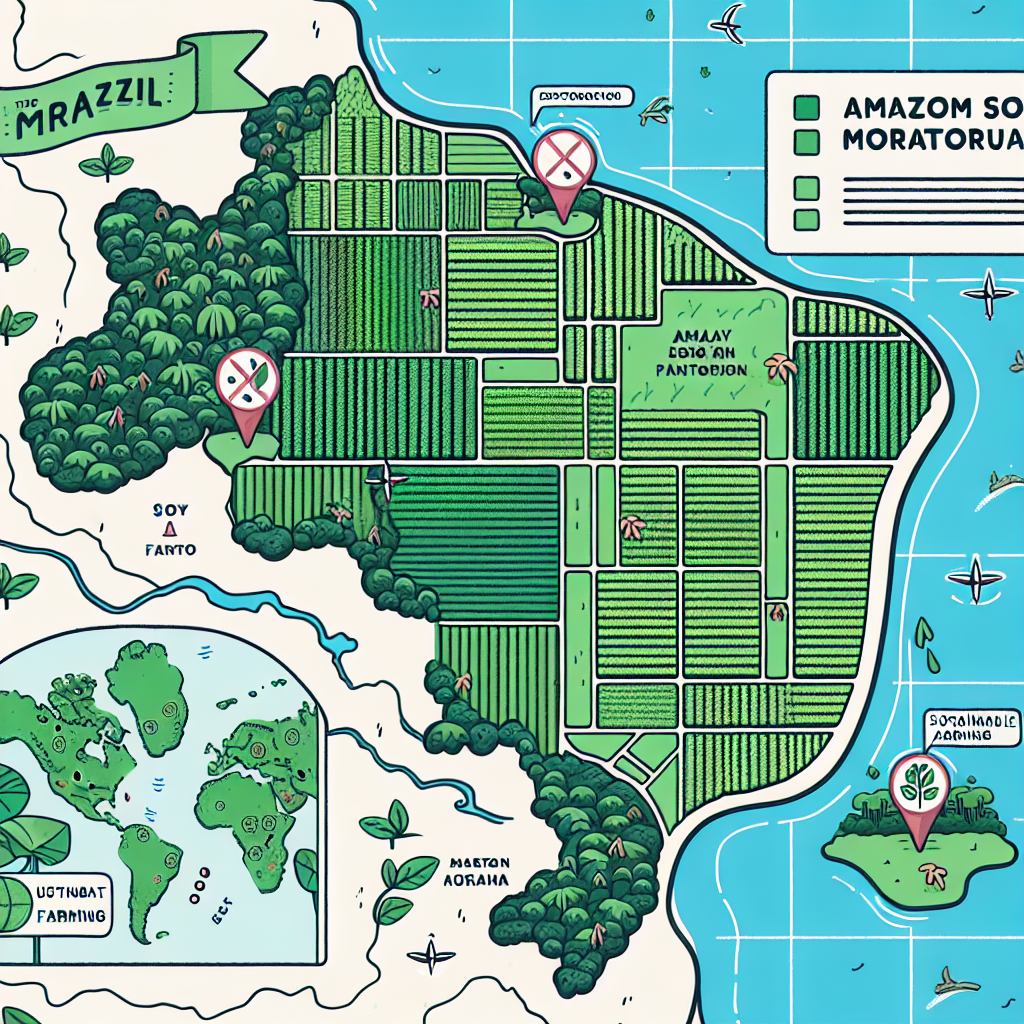
The Soy Moratorium in Brazil, a corporate pact designed to shield the Amazon rainforest, has been met with controversy. According to a study overseen by the oilseed lobby Abiove, 98% of farms blocked by this agreement in Mato Grosso cleared land illegally.
Instituted over two decades ago, the voluntary agreement prohibits major grain traders like ADM, Bunge, and Cargill from purchasing soy from land deforested after 2008. This rule applies irrespective of the legality of the land clearance, prompting complaints from Brazilian farmers affected by it. They argue the moratorium impedes those who adhere to environmental regulations.
The exclusive study obtained by Reuters indicates that only a small fraction of blocked farms received government authorization for land clearance. This study, focusing on the 2022/23 harvest, underscores the moratorium's impact, as it restricts farms over extensive hectares in an area vital for global ecological efforts. The debate continues, with legal challenges and legislative efforts at play.
ALSO READ
-
Brazil’s Tax Reform Gets IDB Loans for State Finances and Public Services
-
São Paulo’s $460M Ferry Overhaul Brings Electric Vessels and New Local Jobs
-
Brazil’s Paraíba Secures $50 Million to Build Stronger Water and Sanitation Services
-
AfDB and Brazil Deepen Mali Cooperation on Food, Jobs and Energy
-
Brazil's Presidential Runoff: Lula vs. Bolsonaro in Tight Race


 Google News