

WMO Workshop Advances Gender Mainstreaming in Hydrometeorological Services
The workshop served as an important platform for sharing experiences, identifying persistent barriers, showcasing good practices and charting next steps to make weather, climate, water and disaster risk services more inclusive and gender-responsive.
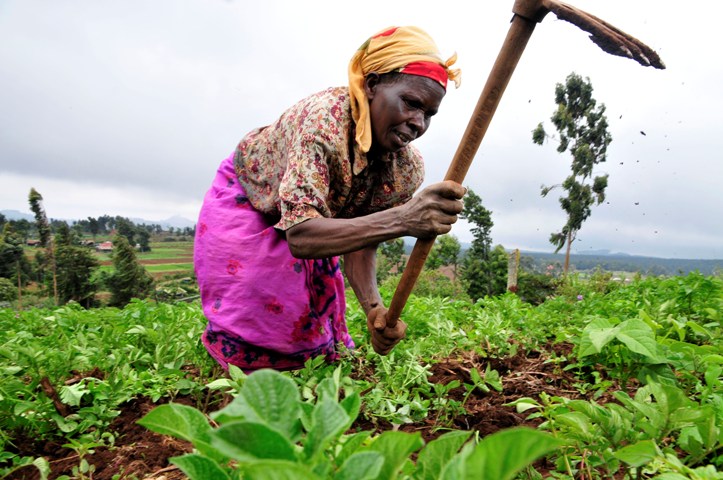
On 25 November 2025, the World Meteorological Organization (WMO) concluded a two-day workshop on Gender Mainstreaming Across Hydrometeorological Services, bringing together Members, partner organizations and experts from around the world. The workshop served as an important platform for sharing experiences, identifying persistent barriers, showcasing good practices and charting next steps to make weather, climate, water and disaster risk services more inclusive and gender-responsive.
The workshop highlighted that advancing gender equality in hydrometeorological systems is not only a matter of fairness—it is essential for strengthening early warning reach, improving service effectiveness and building resilient communities in the face of climate change.
Embedding Gender Responsiveness Across the Entire Value Chain
Participants agreed that gender considerations must be systematically integrated across:
-
Service design and delivery
-
Institutional processes and leadership pathways
-
Community engagement and knowledge-sharing
-
Capacity development and professional advancement
Examples from around the world illustrated how gender-responsive systems enhance communication, improve trust in early warnings, and ensure critical information reaches all segments of society—especially women, girls and marginalized groups who often face barriers to accessing climate information.
Nepal: A Case Study in Women-Led Climate Communication
One of the standout examples presented was from Nepal, where early warning dissemination evolved from radio-only broadcasts to community-based, women-led communication models. Because men often dominate access to traditional media in rural settings, empowering women to lead information-sharing has significantly widened early warning reach and improved preparedness in vulnerable communities.
This case demonstrated how women's leadership directly contributes to stronger resilience, greater trust and more equitable access to climate information.
Expanding the WMO Gender, Diversity and Inclusion Network
The workshop acknowledged the expansion of the WMO Gender, Diversity and Inclusion Network, which now includes 24 newly nominated focal points from National Meteorological and Hydrological Services (NMHSs). Through platforms such as the Collaboration Hub, the network offers mentorship, peer learning and support to women professionals across the hydrometeorological community.
Gender in Climate Services: Health, Agriculture and Energy
A dedicated session explored how gender shapes access to climate services across critical sectors:
-
Health: Tailored communication improves women's ability to take protective action against heatwaves, disease outbreaks and air quality threats.
-
Agriculture: Women farmers benefit from culturally relevant outreach, flexible training hours and climate-smart tools that fit their needs.
-
Energy: Gender-inclusive planning helps ensure reliable access to energy for women-led households and small enterprises.
The session highlighted that training women as data collectors, observers, technicians, scientists and community focal points strengthens both resilience and ownership of climate information systems.
Gender in Aviation and Marine Meteorology
Another session showcased good practices from Members and partners working in aviation and marine meteorological services. Highlights included:
-
The IMO's Women in Maritime Day and its Global Strategy for Women in Maritime Associations
-
The International Hydrographic Organization (IHO) Empowering Women in Hydrography initiative
-
A case study from the Hong Kong Observatory, demonstrating the impact of mentorship on women's professional advancement in aviation meteorology
These initiatives reflect growing global momentum to increase women's leadership in specialized meteorological fields.
Gender in Hydrology and Disaster Risk Reduction
Speakers stressed that effective hydrology and disaster risk reduction require inclusive communication, clear visual tools, local languages and active community outreach. Women's participation—whether as farmers, water managers or local champions—improves trust and the uptake of warnings.
Examples from Ghana, Syria, Indonesia and Bosnia and Herzegovina showed how adapting training schedules or delivery methods can dramatically increase women's participation in climate services.
A key message resonated widely: "When you educate women, you educate the nation."
Barriers and Final Recommendations
Participants identified persistent obstacles:
-
Lack of sex-disaggregated data
-
Structural inequalities and limited women's representation
-
Gaps in technology access and digital literacy
-
Insufficient gender-sensitive communication strategies
-
Underrepresentation of women in technical and leadership roles
To address these, the workshop formulated recommendations, including:
-
Establish gender-focused mentorship and leadership programmes across the hydromet value chain.
-
Launch communication campaigns highlighting women role models.
-
Promote gender balance in panels, conferences and technical forums.
-
Encourage NMHSs to adopt gender-balanced career development pathways.
-
Strengthen co-design processes for gender-responsive services.
-
Create regular dialogue spaces for women and young professionals.
-
Develop institutional guidelines to support Members with gender mainstreaming.
These recommendations will be presented at SERCOM-4 for endorsement and action.
Moving Forward: Strengthening the WMO Gender Action Plan
The workshop reaffirmed the central role of the WMO Gender Action Plan (GAP) as the guiding framework for advancing gender equality across weather, climate, hydrology and related environmental services. The insights and good practices shared will support Members in operationalizing the GAP and ensuring that gender equality remains a sustained, measurable priority within the global hydrometeorological community.
ALSO READ
-
OceanEye Alliance Secures Pledges to Close Critical Gaps in Ocean Observations
-
El Niño Health Alarm: Rising Heat, Floods and Hunger Put Communities on High Alert
-
Climate Data Gaps Leave Communities Searching for Clear Answers to Growing Local Risks
-
Pacific Leaders Back Stronger Early Warnings as Cascading Hazards Threaten Islands


 Google News