

Unearthing the Ancestors: Fossils Reveal Human Evolutionary Clues
Fossilized bones and teeth dating back 773,000 years, discovered in Morocco, provide insight into early human evolution. These remains, from a cave near Casablanca, indicate a close ancestor of Homo sapiens, reflecting a blend of primitive and modern traits that inform our understanding of human ancestry.
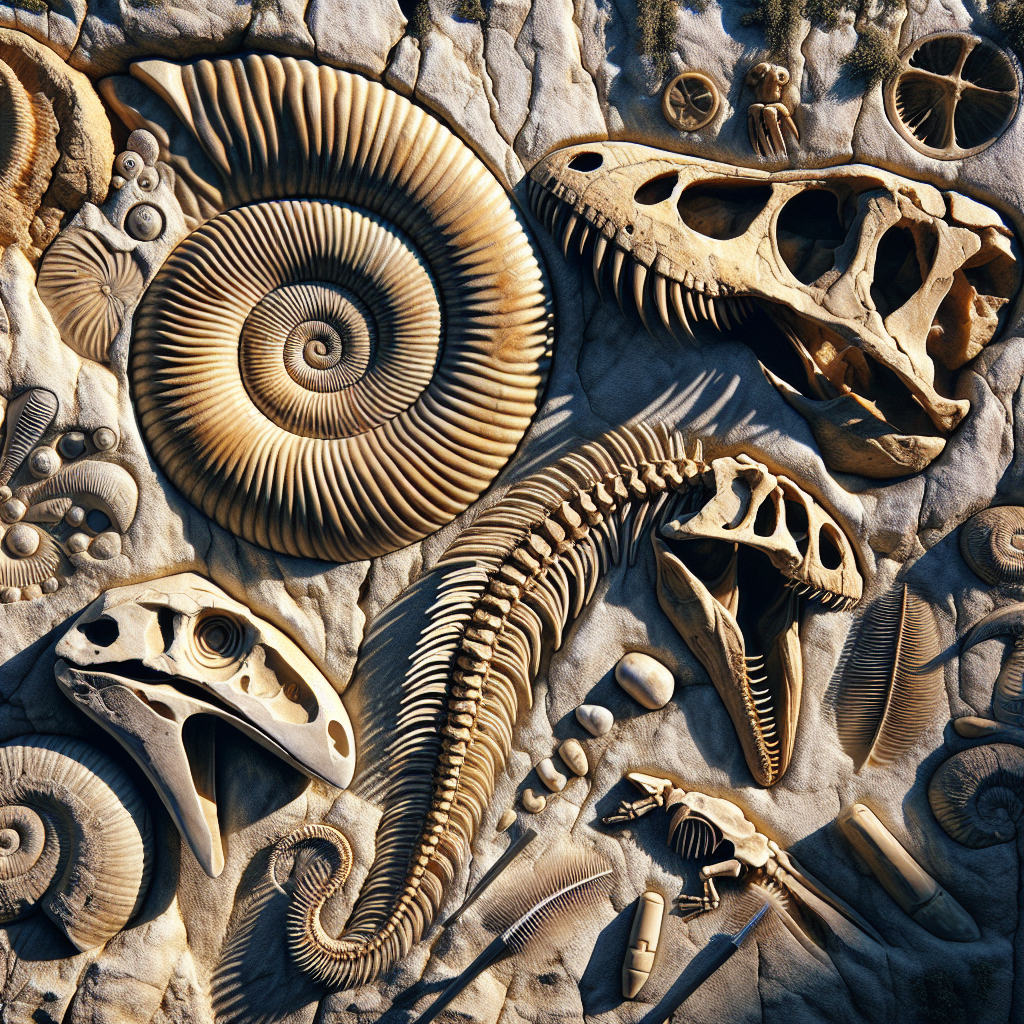
Fossils dating 773,000 years old, found in a Moroccan cave, are offering groundbreaking insights into early human evolution in Africa. Discovered in Grotte à Hominidés in Casablanca, these fossils depict archaic humans, likely close ancestors of Homo sapiens, with a mix of primitive and contemporary traits.
Comprising lower jawbones, teeth, a thigh bone, and vertebrae, these remnants paint a vivid picture of human ancestry. The fossils belonged to two adults and a toddler, revealing much about their lives and environment—one marked by dangerous predators, including hyenas, as evidenced by bite marks on the thigh bone.
This discovery fills critical gaps in the African fossil record, connecting Homo erectus to later Homo sapiens and offering clues to evolutionary paths shared with Neanderthals and Denisovans. Jean-Jacques Hublin, the lead researcher, suggests these findings reinforce a deep African ancestry for Homo sapiens.


 Google News