

Unveiling Antarctica: The Ice-Covered Enigma
Scientists have created the most detailed map of Antarctica's subglacial terrain, revealing a landscape of mountains, canyons, and valleys. The study used satellite observations and ice-flow analysis to aid climate forecasts. It may influence global sea-level rise predictions by enhancing knowledge of Antarctica's bedrock landscape.
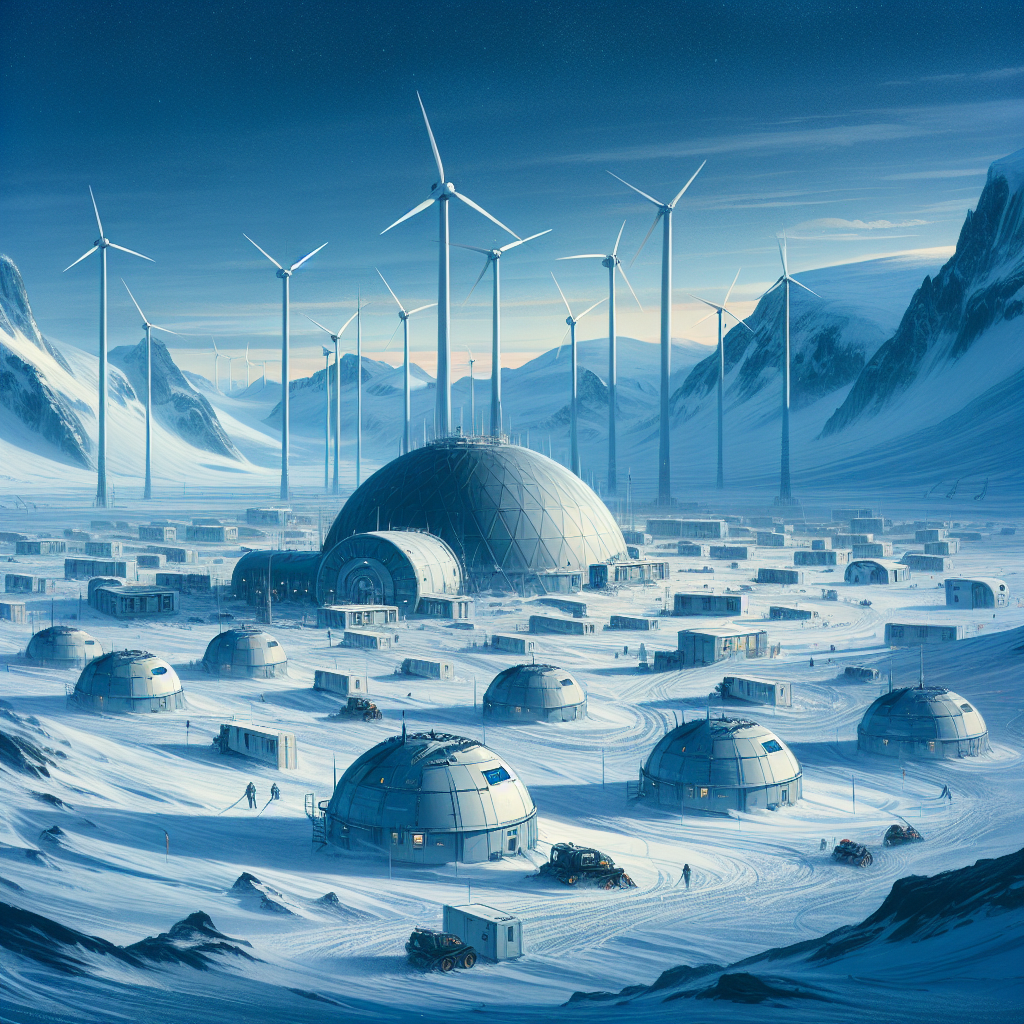
A groundbreaking study has produced the most intricate map yet of Antarctica's subglacial terrain, uncovering hidden mountains, canyons, and valleys beneath its ice sheet. Using high-resolution satellite imagery and ice-flow perturbation analysis, this map offers new insights into previously uncharted parts of the continent.
The research, spearheaded by glaciologist Robert Bingham, highlights the significance of understanding Antarctica's bedrock landscape. Accurate mapping influences predictions of Antarctic ice sheet behavior, which impacts global sea-level rise. The revealed topography could slow down future ice retreat, shedding light on climate-related concerns.
This innovative mapping effort, detailed in the journal Science, surpasses previous maps of the Martian surface in precision. By integrating satellite data and modeling ice flow, researchers now have a comprehensive view of how Antarctica's landscapes align with other regions like Scandinavia and Greenland, bolstering confidence in climate models.


 Google News