

IAEA and Japan Lead High-Level Emergency Preparedness Exercises in Fukushima
The recent events—held in March 2026—highlight how lessons from the 2011 Fukushima Daiichi accident are being translated into actionable global strategies.
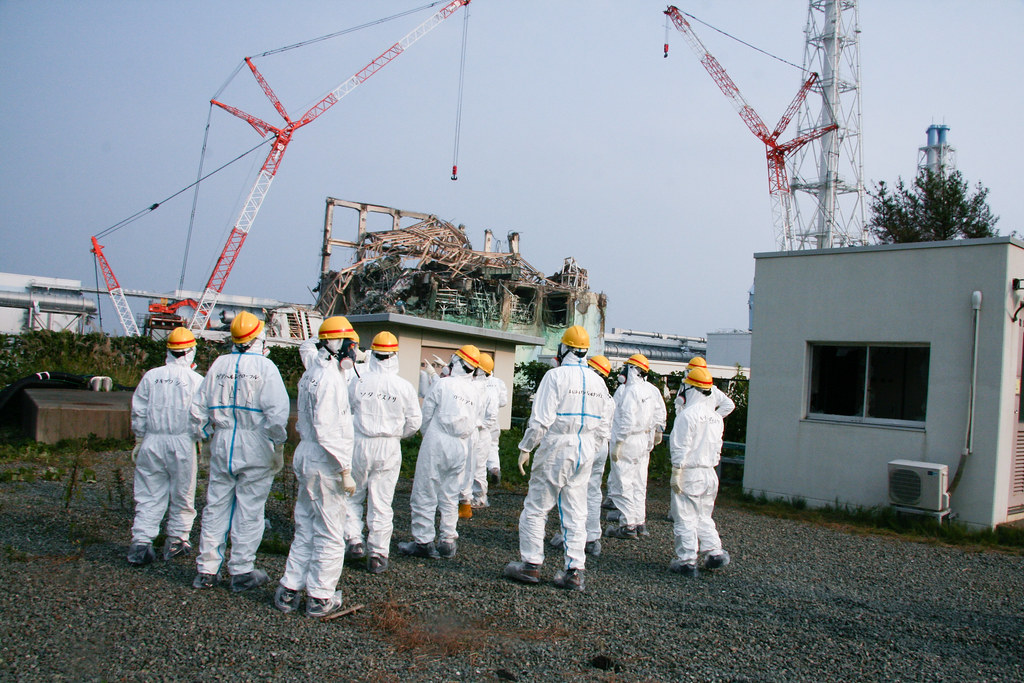
In a significant push to strengthen global readiness for nuclear and radiological emergencies, the International Atomic Energy Agency (IAEA), in partnership with Japan, has successfully conducted a series of high-level training and simulation exercises at the RANET Capacity Building Centre in Fukushima—bringing together experts from across the world.
The initiative, backed by Japan's Ministry of Foreign Affairs, reflects a growing international focus on preparedness, coordination, and real-time response capabilities in the face of evolving nuclear risks, while also reinforcing support for countries such as Ukraine.
Fukushima: From Crisis Site to Global Training Hub
Once the site of one of the world's most serious nuclear disasters, Fukushima is now emerging as a global centre for nuclear safety training, offering real-world learning environments for emergency preparedness.
The recent events—held in March 2026—highlight how lessons from the 2011 Fukushima Daiichi accident are being translated into actionable global strategies.
"These events are a testament to the enduring partnership between Japan and the IAEA in strengthening global nuclear safety," said Tanaka Kenichiro of Japan's Ministry of Foreign Affairs.
Focus on Crisis Communication in the Digital Age
The first major workshop, conducted from 2 to 6 March, focused on one of the most critical—and often overlooked—aspects of emergency response: public communication.
Participants from 12 countries, including Ukraine, Türkiye, Nigeria, and Malaysia, were trained to:
-
Develop accurate and timely public messaging
-
Analyse audience needs during crises
-
Use modern communication channels, including social media
-
Combat misinformation and disinformation
The programme combined expert-led sessions, scenario-based simulations, and field visits, including access to the Fukushima Daiichi Nuclear Power Station—providing participants with rare, hands-on exposure to real-world conditions.
A key innovation was the use of a social media simulation platform, allowing participants to practise responding to rapidly evolving public narratives during a simulated emergency.
"This training gives us concrete tools to improve how we communicate during nuclear emergencies," said a Ukrainian participant, highlighting the programme's real-world relevance.
Simulating Real Emergencies: RANET Joint Assistance Exercise
The second event, held from 9 to 13 March 2026, took preparedness a step further through a full-scale simulation of an IAEA Assistance Mission under realistic field conditions.
The exercise brought together 21 international specialists from countries participating in the Response and Assistance Network (RANET)—a global system designed to provide rapid support during nuclear or radiological crises.
Activities included:
-
On-the-ground technical response operations in Okuma, a town directly impacted by the Fukushima disaster
-
Coordination between field teams and remote experts
-
Data analysis and real-time decision-making
-
Preparation of emergency reports and official briefings
Participants were divided into operational roles mirroring real-world scenarios:
-
Field response teams
-
External technical advisors
-
IAEA coordination units
This multi-layered approach tested not only technical skills but also inter-agency coordination and international collaboration, which are critical during actual emergencies.
Strengthening Global Response Capacity
Currently, 43 countries are part of the RANET network, contributing expertise, equipment, and specialised capabilities such as:
-
Radiation monitoring
-
Medical response
-
Environmental assessment
-
Source recovery operations
The exercises reinforced the importance of rapid mobilisation and coordinated international response, particularly in complex, cross-border emergencies.
"Effective collaboration and clear communication are essential for managing nuclear incidents. These exercises help ensure countries are ready when it matters most," said Amgad Shokr, Director of the IAEA Incident and Emergency Centre.
Japan's Strategic Role in Global Nuclear Safety
Japan's continued investment in nuclear safety training reflects its commitment to turning past tragedy into global preparedness leadership.
By opening Fukushima facilities for training and sharing its experience transparently, Japan is helping:
-
Improve global emergency standards
-
Build trust in nuclear safety systems
-
Strengthen international cooperation
The initiative also forms part of broader support efforts, including assistance to Ukraine in enhancing its nuclear emergency preparedness.
The IAEA's Central Role
At the heart of these efforts is the IAEA Incident and Emergency Centre, established in 2005 as the global focal point for:
-
Emergency preparedness
-
Information sharing
-
International response coordination
The Centre ensures that in the event of a nuclear or radiological emergency—whether caused by accident, negligence, or deliberate action—countries can access rapid, coordinated assistance.
Preparing for a High-Risk Future
As geopolitical tensions, climate risks, and technological complexities increase, experts warn that preparedness for nuclear and radiological emergencies is more critical than ever.
The Fukushima exercises demonstrate a clear shift toward:
-
Practical, scenario-based training
-
Integration of digital communication strategies
-
Stronger international collaboration frameworks
By combining real-world experience with cutting-edge training methods, initiatives like these are helping build a more resilient global nuclear safety architecture.
ALSO READ
-
Mexico Builds Nuclear Expertise to Keep Laguna Verde Running Safely for Longer
-
Inside Russia’s SMR School, Where Nuclear Experience Shapes Future Energy Decisions
-
14 Women Build Nuclear Expertise and Leadership Through IAEA Programme in Russia
-
How Nuclear Science Can Keep Food Fresh and Cut Waste Costing Billions
-
Nuclear Science Brings Cancer Care, Safer Food and Better Water Data Across Regions


 Google News