

Polar Bears on the Rise: Surprising Study Insights from the Arctic's Shores
A decade-long study reveals unexpected insights into polar bear behavior as climate change affects their natural habitats. Despite increased shore visits due to ice-free seasons, bears’ body conditions didn't influence visit frequency. The study underscores the need for a better understanding of polar bear-human interactions, aligning with Indigenous observations.
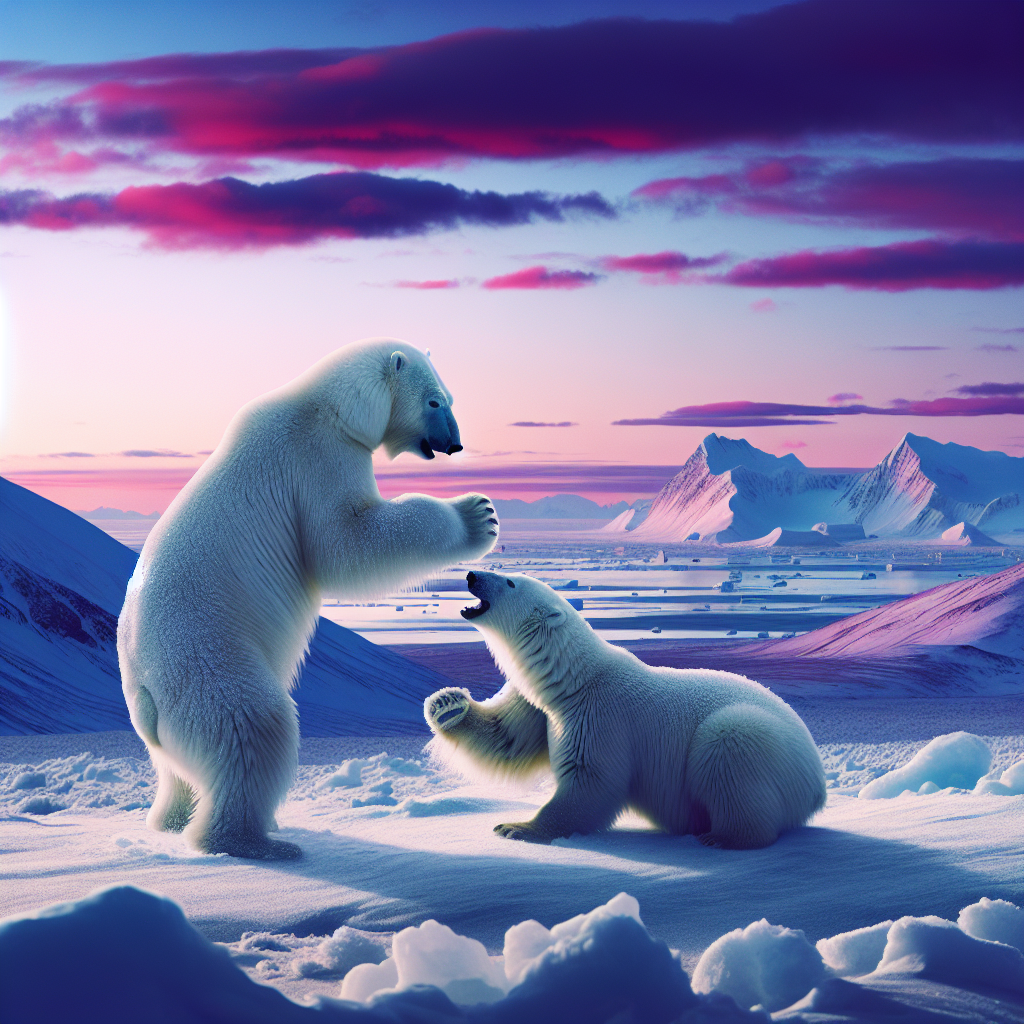
Polar bears, known for their curiosity, are increasingly found venturing onto shore as the Arctic climate warms, sparking concerns about rising interactions with humans. Recent research has not indicated that poor body conditions increase visit frequencies to human settlements, but longer ice-free seasons do appear to play a significant role.
During a study between 2011 and 2021 at Wapusk National Park and the Churchill Northern Studies Centre, trail cameras captured 580 bear visits, notably more common during the longer ice-free periods. Surprisingly, the study revealed that the nutritional stress of polar bears did not affect visit frequency, prompting a reevaluation of existing assumptions.
The findings align with Indigenous observations that bear visits are not necessarily driven by poor body condition, challenging longstanding scientific beliefs. As the study suggests, understanding what escalates these interactions remains crucial for effective management strategies in polar bear conservation efforts.


 Google News