

Trump's Tariff Hike: Raising Stakes in Transatlantic Trade Tensions
U.S. President Donald Trump announced an increase in tariffs on European cars and trucks to 25%, escalating tensions between the U.S. and the EU. The decision, criticized by European policymakers, aims to pressure EU automakers to shift production to the U.S., amid slow progress on a previously agreed trade deal.
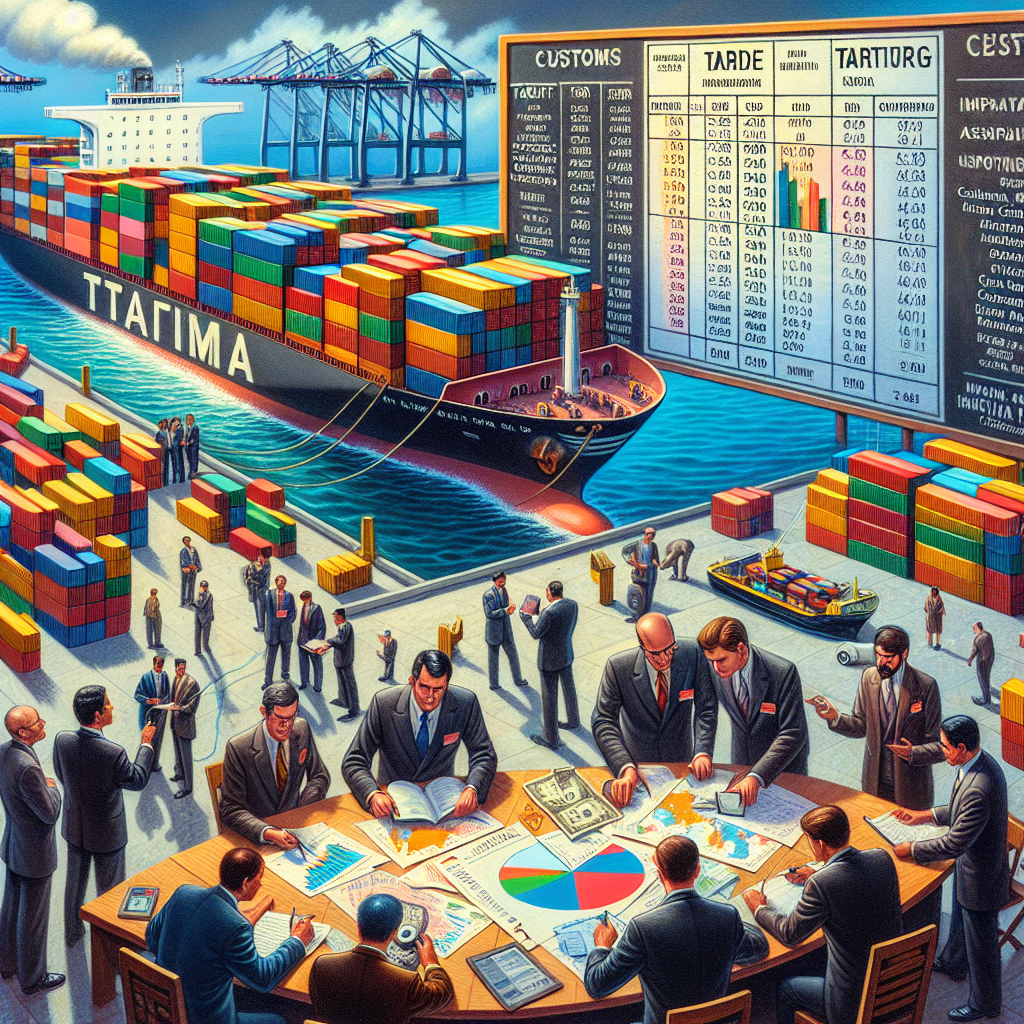
In a controversial move, U.S. President Donald Trump declared a tariff hike on European cars and trucks to 25% from the current 15%, claiming the European Union has failed to comply with a pre-existing trade deal. European officials quickly condemned the decision, urging a firm response to the provocative measure.
The escalation comes amid mounting tensions between the two economic powers, with Trump asserting that the updated tariffs would encourage EU automakers to accelerate their production shifts to American soil. The EU's delay in implementing the agreed-upon trade terms has been a significant point of contention.
This abrupt decision coincides with broader geopolitical tensions, including conflicts involving Iran and the U.S.-EU disagreements over the Strait of Hormuz. As diplomatic strains deepen, the repercussions of the tariff hike are set to ripple through already complex transatlantic relations.
ALSO READ
-
Lebanon’s Small Business Owners Build Skills and Market Links With EU and ILO Support
-
Poltava University Reopens With Safer, Greener Spaces for Nearly 3,000 Campus Users
-
UNDP Urges Recovery From Day One as 160 Million People Risk Being Trapped in Crisis
-
UNESCO and EU Put Trusted News and Free Expression at the Heart of Mediterranean Pact
-
Crédit Agricole CIB gets €2.4 billion in investment in European energy grids


 Google News