

WMO holds technical workshop on flood early warning systems across Nile Basin
According to organizers, the meeting marked an important transition from technical system design toward operational validation, practical testing, and implementation planning.
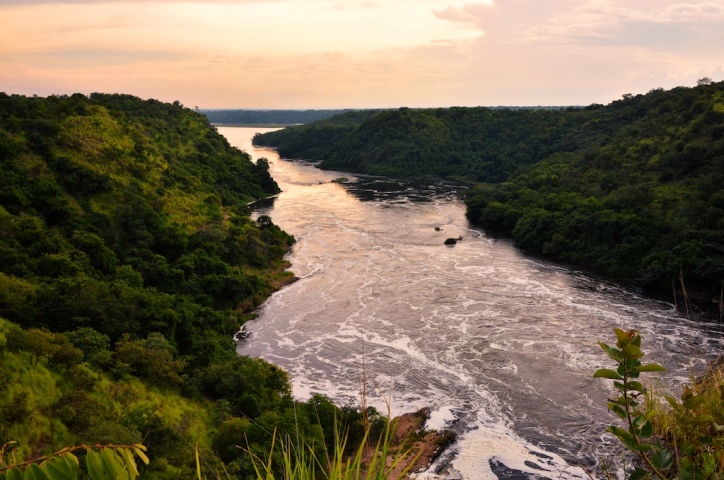
The World Meteorological Organization (WMO), together with international and regional partners under the Water at the Heart of Climate Action (WHCA) project, has intensified efforts to strengthen flood early warning systems and anticipatory action across the Nile Basin through a major technical workshop held in Kigali, Rwanda.
The four-day workshop, conducted from 27 to 30 April 2026, brought together around 50 experts and officials from five Nile Basin countries to improve regional cooperation, hydrological forecasting, disaster preparedness, and climate resilience in one of Africa's most climate-vulnerable river systems.
The initiative represents a significant step toward developing integrated, multi-country flood forecasting systems capable of improving preparedness and reducing disaster risks for millions of people living across the Nile Basin.
Regional Experts Gather in Rwanda
The workshop, titled:
"Multi-Hazard Risk Assessment, Advancing Multi-Hydrological Model and Interoperable Platform for Flood Early Warning and Anticipatory Action in the Nile Basin"
brought together participants from:
-
Ethiopia
-
Rwanda
-
South Sudan
-
Sudan
-
Uganda
Attendees included representatives from:
-
National Meteorological and Hydrological Services (NMHSs)
-
Disaster risk management agencies
-
Red Cross societies
-
Regional climate centres
-
International technical organizations
The workshop was organized under the WHCA project, which is funded by the Ministry of Foreign Affairs of the Netherlands.
According to organizers, the meeting marked an important transition from technical system design toward operational validation, practical testing, and implementation planning.
Strengthening End-to-End Flood Early Warning Systems
The workshop focused on strengthening three major pillars of modern flood early warning systems:
Risk Knowledge
Participants explored how hazard exposure, vulnerabilities, and risk mapping can improve preparedness and decision-making before disasters occur.
Multi-Model Hydrological Forecasting
Technical sessions examined ways to improve flood forecasting accuracy using multiple hydrological models working together.
Interoperable Information Platforms
Experts discussed integrated visualization systems that can combine weather forecasts, river monitoring, risk data, and early warning products into a single operational platform.
The WMO says combining these components is essential for building "end-to-end" early warning systems that are scientifically robust, user-oriented, and actionable.
Multi-Model Forecasting Approach Takes Centre Stage
A major focus of the Kigali workshop was the development of a regional multi-model hydrological forecasting system for the Nile Basin.
Instead of relying on a single forecasting model, the initiative aims to combine the strengths of multiple hydrological systems to improve reliability and accuracy.
Participants reviewed:
-
Existing national and regional hydrological models
-
Forecast verification methods
-
Country-level observations
-
Validation processes
Experts emphasized that incorporating national data and local expertise is critical for improving forecast precision and ensuring the information remains relevant for operational decision-making.
Because weather and hydrological conditions in upstream Nile Basin countries can significantly affect downstream flood risks, accurate regional coordination is considered essential.
New Interoperable Visualization Platform Reviewed
The workshop also evaluated progress on an interoperable regional visualization platform hosted by ICPAC (IGAD Climate Prediction and Applications Centre).
The platform is being designed to integrate multiple streams of hydro-meteorological information into a single operational interface.
The system will combine:
-
Hydrological monitoring
-
Weather forecasts
-
Model outputs
-
River gauge station data
-
Rainfall information
-
Flood risk layers
-
Advisory bulletins
Participants tested the platform prototype and provided technical feedback on:
-
User interface design
-
Data layers
-
Mapping quality
-
Chart clarity
-
Administrative boundary representation
-
Export functions
-
User access requirements
Officials say the platform aims to improve situational awareness and help governments, disaster agencies, and humanitarian actors make faster and more informed decisions during flood events.
Moving From Weather Forecasting to Impact Forecasting
The workshop also included specialized sessions led by:
-
United Nations Office for Disaster Risk Reduction (UNDRR)
-
International Trade Centre (ITC)
The sessions focused on multi-hazard risk assessment methodologies.
Participants examined how to shift forecasting systems away from simply predicting weather conditions toward forecasting the actual impacts of weather events on:
-
Communities
-
Infrastructure
-
Livelihoods
-
Agriculture
-
Transportation systems
The approach incorporates:
-
Hazard mapping
-
Exposure analysis
-
Vulnerability assessments
-
Capacity evaluations
-
Risk mapping
This transition toward "impact-based forecasting" is increasingly viewed as a global best practice in disaster risk reduction.
Regional Hydro-Meteorological Advisory Bulletin Planned
Another important topic discussed was the creation of a regional hydro-meteorological advisory bulletin for the Nile Basin.
The proposed bulletin would provide coordinated regional guidance while still allowing national agencies to maintain authority over country-specific warnings and communications.
Under the proposed framework:
-
ICPAC would support regional consolidation and dissemination
-
National agencies would validate and tailor warnings to local conditions
-
Regional information would complement, not replace, national warning systems
Participants discussed launching the bulletin during a pilot phase using a semi-weekly production cycle.
Roadmap Established for 2026 Rainy Season
By the end of the workshop, participating countries agreed on a detailed roadmap covering activities between May and July 2026.
Planned next steps include:
-
Finalizing forecasting and reporting points
-
Sharing updated national data for model validation
-
Refining the visualization platform
-
Improving bulletin formats
-
Consulting disaster management and Red Cross agencies
-
Preparing operational testing during the 2026 rainy season
The next phase will focus heavily on practical validation and operational readiness.
Nile Basin Cooperation Remains Essential
The workshop highlighted the importance of regional cooperation within the Nile Basin, where weather events and river conditions in one country can quickly create flood risks in neighbouring states.
Flooding in the basin has become increasingly severe in recent years due to:
-
Climate variability
-
Intense rainfall events
-
River overflow
-
Population growth in flood-prone areas
-
Environmental degradation
Officials stressed that no single country can effectively manage flood risks in isolation.
The discussions reinforced the need for:
-
Sustained cross-border data sharing
-
Strong national ownership
-
Technical coordination
-
Collaboration between meteorological agencies and humanitarian organizations
WMO Expands Climate Resilience Efforts
Through the WHCA initiative, the WMO and its partners say they will continue supporting countries across the Nile Basin in developing stronger and more reliable early warning systems.
Future efforts will focus on:
-
Operational testing
-
Forecast validation
-
Platform refinement
-
Capacity building
-
Strengthening anticipatory action systems
A follow-up technical workshop is already planned for July 2026 to review progress and further advance operational implementation.
Officials believe these efforts will significantly improve flood preparedness, disaster response, and climate resilience for vulnerable populations across the Nile Basin region.
ALSO READ
-
ITU and WMO urge spectrum protection to keep weather forecasts and warnings reliable
-
OceanEye Alliance Secures Pledges to Close Critical Gaps in Ocean Observations
-
El Niño Health Alarm: Rising Heat, Floods and Hunger Put Communities on High Alert
-
Climate Data Gaps Leave Communities Searching for Clear Answers to Growing Local Risks
-
Pacific Leaders Back Stronger Early Warnings as Cascading Hazards Threaten Islands


 Google News