

Brazilian Naphtha Sales Unveil Ties to Terror-Designated Criminal Gang
Brazilian refineries sold millions of liters of naphtha to Petrodansk, a firm linked to criminal activities involving Brazil's largest gang, PCC, now designated by the U.S. as a terrorist organization. This transaction, largely involving Riograndense refinery, risks U.S. penalties under new terrorist-linked business regulations.
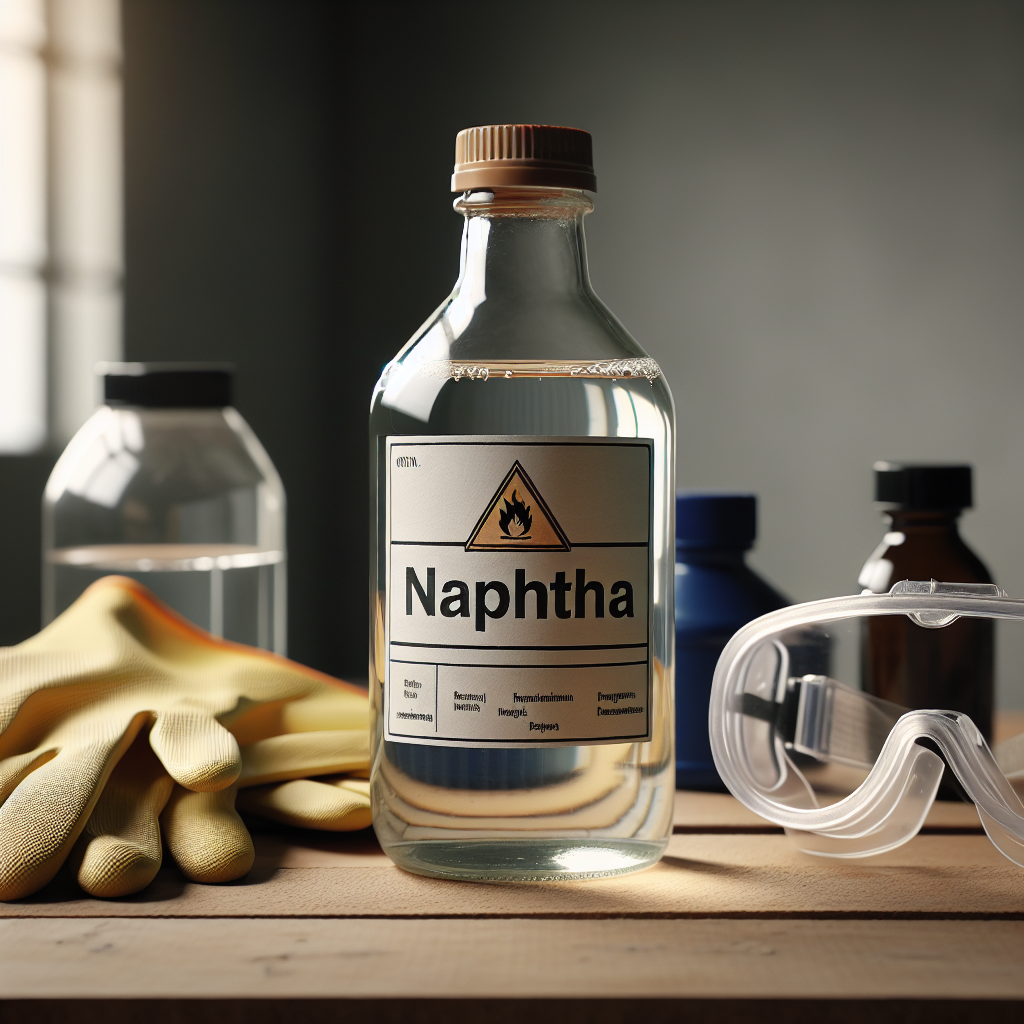
Brazilian authorities are scrutinizing a colossal sale of naphtha by local refineries to a company involved in a fraudulent scheme tied to a criminal organization now recognized as a terrorist entity by the United States. Documents reviewed by Reuters reveal that over 100 million liters of naphtha were sold to Petrodansk, a name now synonymous with alleged criminal enterprises.
One prominent player, Riograndense refinery, distributed these shipments without essential chemical markers, a lapse it attributes to operational oversight. This omission now forms part of a broader investigation examining how Petrodansk allegedly diverted naphtha for illicit fuel smuggling, playing into the hands of the notorious PCC gang. The gang, rooted in drug-trafficking, now faces severe scrutiny as the U.S. aims to thwart its income streams by imposing harsh penalties on associating companies.
While some industry giants like Petrobras and Ultrapar assert ignorance of the looming legal probes, the revelation poses significant risks across Brazil’s energy landscape. The narrative points towards a potential crackdown on the country's vast energy sector, now seen as vulnerable to money-laundering. The story of Petrodansk brings forward a chilling realization of the seamless integration of criminal elements with legitimate business operations, challenging the capabilities of regulators and investigators.


 Google News