

Remote Sensing Technology: The Key to Unlocking the Future of Development Projects
Exploring the Benefits, Challenges, and Future of Remote Sensing Technology for Development Projects
 Devdiscourse News Desk
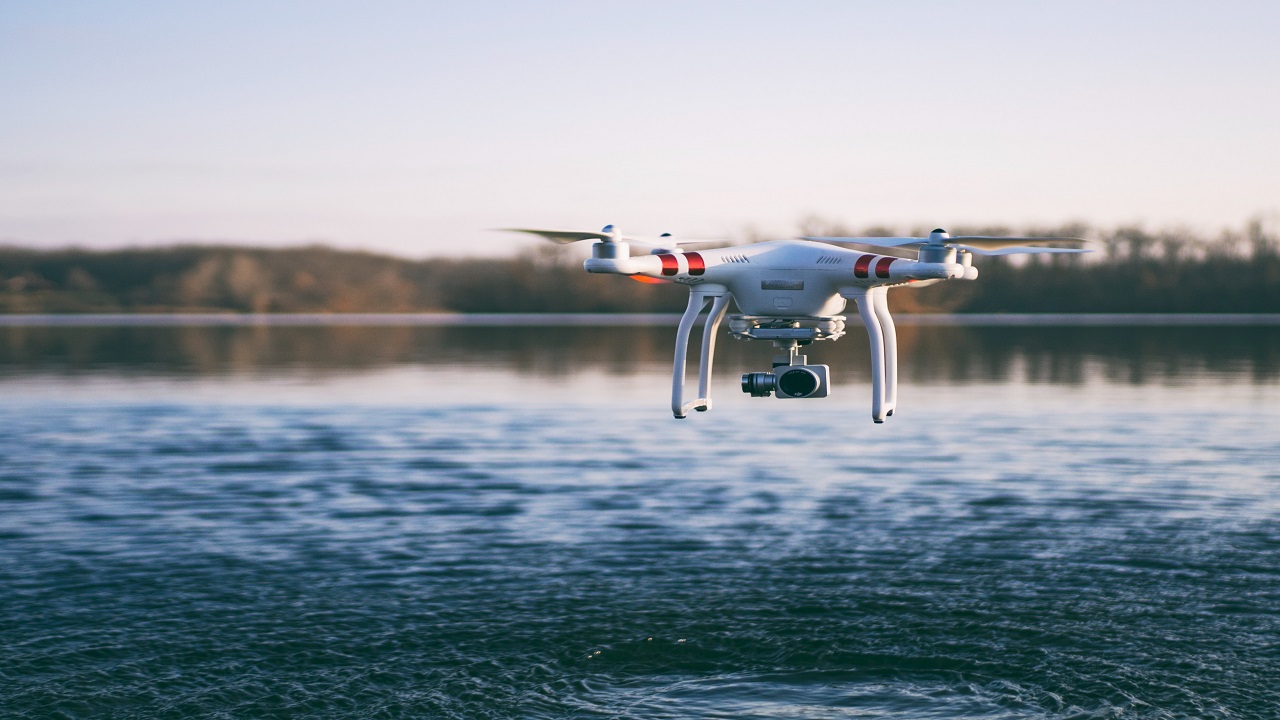
Remote sensing technology has revolutionized the way we approach development projects, offering a wealth of benefits for sustainable development. Remote sensing technology refers to the use of sensors and satellites to collect data from a distance, allowing us to study the Earth's surface and its atmosphere. This technology has been used to monitor natural disasters, improve agriculture, and even track the spread of disease. However, the possibilities of remote sensing technology for development projects are vast, and its full potential is yet to be fully realized.
One of the most significant benefits of remote sensing technology for development projects is its ability to provide accurate and up-to-date information about the Earth's surface. With high-resolution satellite imagery, we can monitor land use changes, deforestation, and urbanization, among other factors. This information can help us to understand the impact of development projects on the environment and make informed decisions about how to balance economic growth with sustainable development.
In addition to monitoring environmental changes, remote sensing technology can also help us to assess the impact of development projects on local communities. By using data analytics and machine learning algorithms, we can analyze satellite imagery to identify patterns of economic activity, such as the growth of small businesses, changes in land use, and the location of infrastructure projects. This information can be used to improve the design of development projects, ensuring that they are more effective and better aligned with the needs of local communities.
Another significant benefit of remote sensing technology is its ability to provide early warning of natural disasters. With satellite imagery, we can monitor changes in weather patterns and identify areas at risk of flooding, landslides, or other natural disasters. This information can be used to develop early warning systems and emergency response plans, which can save lives and minimize the impact of disasters on local communities.
Remote sensing technology can also help us to improve agriculture and food security in developing countries. By monitoring soil moisture levels, temperature, and rainfall patterns, we can identify areas at risk of drought and predict crop yields. This information can be used to improve crop management practices, such as irrigation and fertilization, and to develop new drought-resistant crops. By improving agricultural productivity, we can help to reduce poverty and hunger in developing countries.
Finally, remote sensing technology can help us to monitor the spread of disease, which is a significant challenge for many developing countries. With satellite imagery, we can track the movement of mosquitoes, which can carry diseases such as malaria and dengue fever. We can also monitor changes in vegetation patterns, which can indicate the presence of diseases such as cholera and typhoid fever. This information can be used to develop early warning systems and targeted interventions to prevent the spread of disease.
While the potential of remote sensing technology for development projects is vast, there are also some challenges that need to be addressed. One of the main challenges is the cost of satellite imagery and data analysis. While the cost of satellite imagery has decreased in recent years, it is still a significant expense for many developing countries. In addition, data analysis requires specialized skills and expertise, which can be challenging to find in many developing countries.
Another challenge is the need for capacity building and training. To fully realize the potential of remote sensing technology, it is essential to have a skilled workforce that can analyze and interpret satellite imagery. This requires training programs and education initiatives that can help to build capacity and develop expertise in remote sensing technology.
Finally, there are also ethical and privacy concerns associated with remote sensing technology. For example, satellite imagery can be used to monitor the movement of people, which raises concerns about privacy and surveillance. It is essential to develop policies and guidelines that can address these concerns and ensure that remote sensing technology is used in a responsible and ethical manner.
In conclusion, remote sensing technology has the potential to revolutionize the way we approach development projects, offering a wealth of benefits for sustainable development. By providing accurate and up-to-date information about the Earth's surface, remote sensing technology can help us to monitor environmental changes, assess the impact of development projects on local communities, and provide early warning of natural disasters. It can also improve agriculture and food security, and help us to monitor the spread of disease. However, there are also challenges that need to be addressed, such as the cost of satellite imagery and data analysis, the need for capacity building and training, and ethical and privacy concerns.
To overcome these challenges, it is important to work together with all stakeholders, including governments, the private sector, and civil society organizations, to develop policies and guidelines that can address ethical and privacy concerns and ensure that remote sensing technology is used in a responsible and ethical manner. Governments can also invest in capacity building and training programs to develop the necessary expertise and skills in remote sensing technology. Finally, international cooperation and partnerships can help to reduce the cost of satellite imagery and make it more accessible to developing countries.
Overall, remote sensing technology has the potential to bring about transformative change in the way we approach development projects. By harnessing its full potential, we can achieve sustainable development, promote economic growth, and improve the lives of millions of people around the world.
ALSO READ
-
New Zealand Gives NZ$300,000 to Help Developing Countries Build Safer Food Trade
-
Free AI Training Opens Doors for African Public Officials to Build Smarter Services
-
Caribbean Tourism Powers Local Economies, but Workers Need More Than Visitor Growth
-
IAEA and IDB Join Forces to Expand Nuclear Energy in Latin America and Caribbean
-
Aid Under Pressure: Global Leaders Call for Local Control and Recovery From Day One


 Google News