

Decoding AI-Generated Faces: How Your Brain Detects the Difference
In this blog, we explore the fascinating world of AI-generated faces and delve into the intricacies of how your brain distinguishes between real and AI-generated faces. We'll discuss the technology behind these creations, the underlying neural networks, and the critical role human perception plays in telling the difference. Discover the amazing capabilities and limitations of AI-generated faces and how they impact various industries, from entertainment to cybersecurity.
 Devdiscourse News Desk
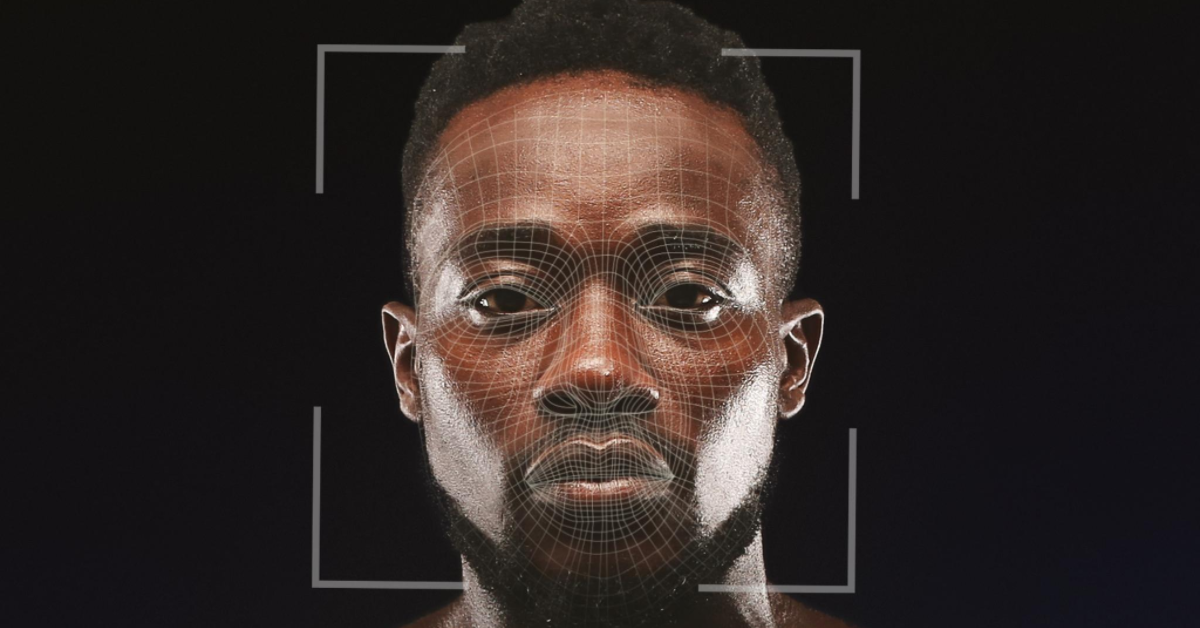
Imagine scrolling through your social media feed and coming across a strikingly beautiful face you've never seen before. It captures your attention, but something seems a little off. It might be a subtle hint in the eyes or the way the lips curve. You might be looking at an AI-generated face, a product of the ever-advancing world of artificial intelligence and deep learning. These digital creations have become so realistic that they can often fool even the most discerning eyes. In this blog, we'll take a closer look at how your brain detects the difference between real and AI-generated faces.
The Magic Behind AI-Generated Faces
The magic of AI-generated faces lies in the realm of deep learning and neural networks, particularly Generative Adversarial Networks (GANs). GANs are a class of AI algorithms consisting of two neural networks: a generator and a discriminator. The generator's task is to create data that is as close to reality as possible, while the discriminator's role is to distinguish between real and generated data.
For AI-generated faces, the generator starts with random noise and gradually refines it to produce a face. As it generates more and more images, the discriminator evaluates them and provides feedback to the generator. This adversarial process continues until the generator becomes so skilled that it can produce images that are virtually indistinguishable from real faces.
Breaking Down Facial Features
To create convincing AI-generated faces, deep learning models focus on understanding and replicating intricate facial features. These features include the shape of the eyes, the position of the nose, the contour of the lips, and even the subtleties of skin texture and shading. GANs dissect these elements, learn their nuances, and combine them to form a coherent, lifelike face.
However, this process is not foolproof. There are certain limitations that persist, and it's these very limitations that your brain subconsciously picks up on.
The Role of Human Perception
Human perception plays a pivotal role in deciphering the difference between real and AI-generated faces. Our brains are incredibly adept at processing facial information, as we've evolved to be finely tuned to recognizing faces in our environment.
One critical aspect of human perception is our ability to detect even the slightest inconsistencies or imperfections in a face. When GANs generate faces, they occasionally introduce small irregularities that may go unnoticed individually but collectively contribute to a sense of artificiality. For example, a slightly asymmetric smile or eyes that are not perfectly aligned can be telltale signs.
Another important factor is the "uncanny valley" phenomenon. This concept suggests that as a humanoid robot or AI-generated character becomes more human-like, our emotional response to it becomes increasingly positive and empathetic. However, there is a critical threshold where, if the likeness is not perfect, our response can suddenly turn negative. This "valley" is where AI-generated faces often find themselves. Your brain might recognize that something is not quite right, creating a sense of unease.
Realism vs. Artifice
The ability to discern the difference between real and AI-generated faces also depends on the context in which you encounter them. For instance, in a social media profile picture, you may be less critical than when examining a photograph in a criminal investigation or a job application. In these high-stakes situations, your brain is more likely to scrutinize the image and detect anomalies.
Additionally, your familiarity with the technology plays a significant role. As AI-generated faces become more common and sophisticated, people may become desensitized to their subtleties, making them more challenging to detect.
The Impact on Various Industries
AI-generated faces have found applications in various industries, from entertainment to cybersecurity. In the world of entertainment, they are used to create realistic digital characters for movies, video games, and virtual influencers. The ability to generate lifelike characters can significantly reduce production costs and expand creative possibilities.
On the other hand, the rise of AI-generated faces also raises concerns in cybersecurity. With the increasing prevalence of deepfake technology, malicious actors can manipulate AI-generated faces to create convincing false identities for fraudulent activities. This highlights the importance of developing advanced detection methods to distinguish real from AI-generated faces.
Conclusion
AI-generated faces are a testament to the incredible advancements in artificial intelligence and deep learning. These digital creations are becoming more convincing with each passing day, but your brain's remarkable ability to detect subtle differences remains a critical safeguard. As the technology continues to evolve, the line between real and artificial faces will blur further, challenging our perception and requiring new ways to distinguish between the two.
In a world where AI-generated faces become more integrated into our daily lives, understanding the intricacies of human perception and the technology behind these creations is essential. As we navigate this ever-evolving landscape, it's crucial to remain vigilant and informed about the implications, both positive and negative, of AI-generated faces in our society.
So the next time you come across a captivating face on your screen, take a moment to appreciate the incredible work of artificial intelligence, and trust your brain to detect the subtle hints that reveal the difference between the real and the artificial.


 Google News